Have you ever sprayed a perfume in the morning and noticed that by sunset, it has transformed into something warm, golden, and incredibly cozy? That “glow” isn’t a coincidence – it’s the work of resins.
This series, we strip back the label and look at the raw ingredients that make your favorite fragrances. Today, we’re exploring the ancient, sticky world of resins and balms. These are the ingredients that give a fragrance its soul.
Have you ever sprayed a perfume in the morning and noticed that by sunset, it has transformed into something warm, golden, and incredibly cozy? That “glow” isn’t a coincidence – it’s the work of resins.
This series, we strip back the label and look at the raw ingredients that make your favorite fragrances. Today, we’re exploring the ancient, sticky world of resins and balms. These are the ingredients that give a fragrance its soul.
What Exactly is a Resin?
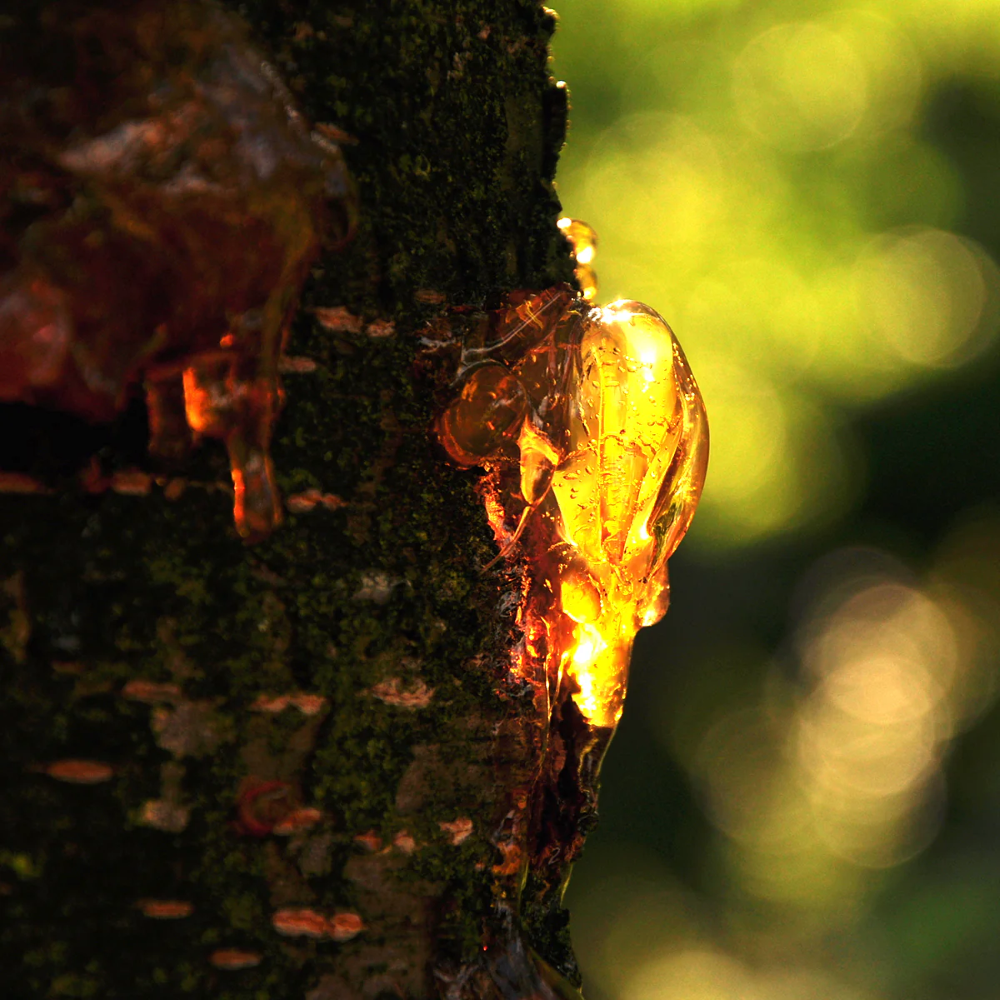
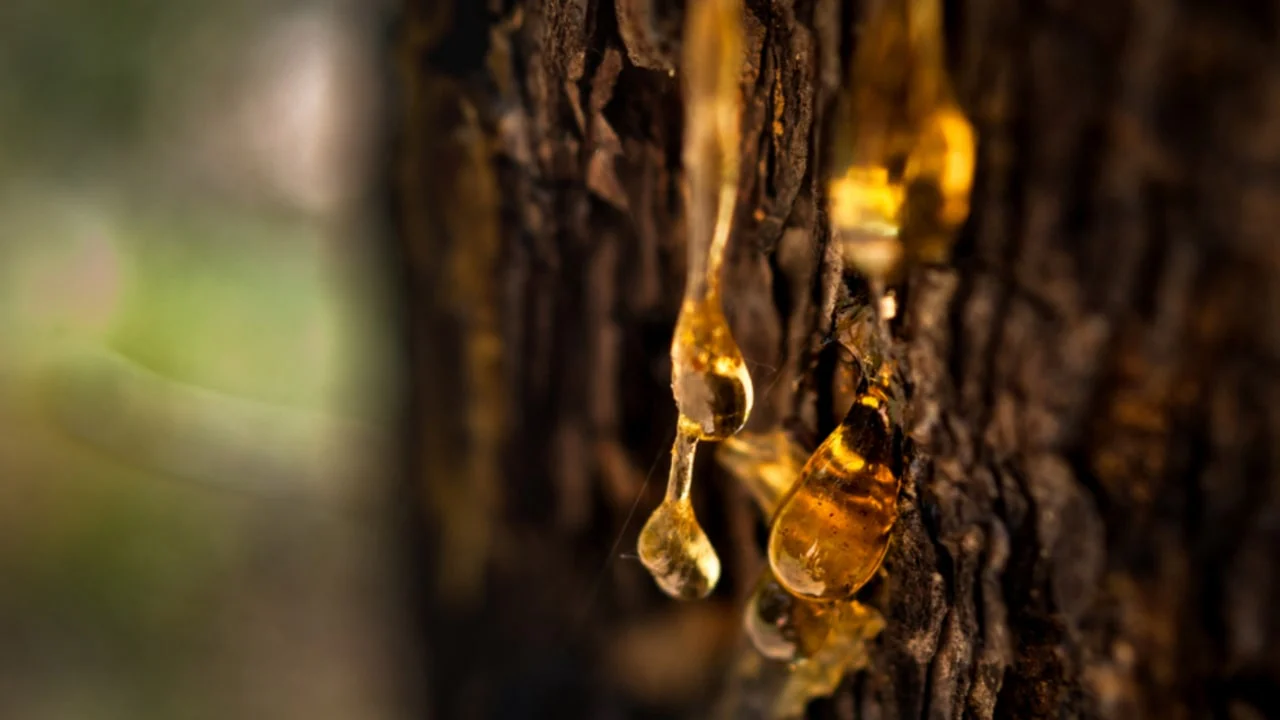
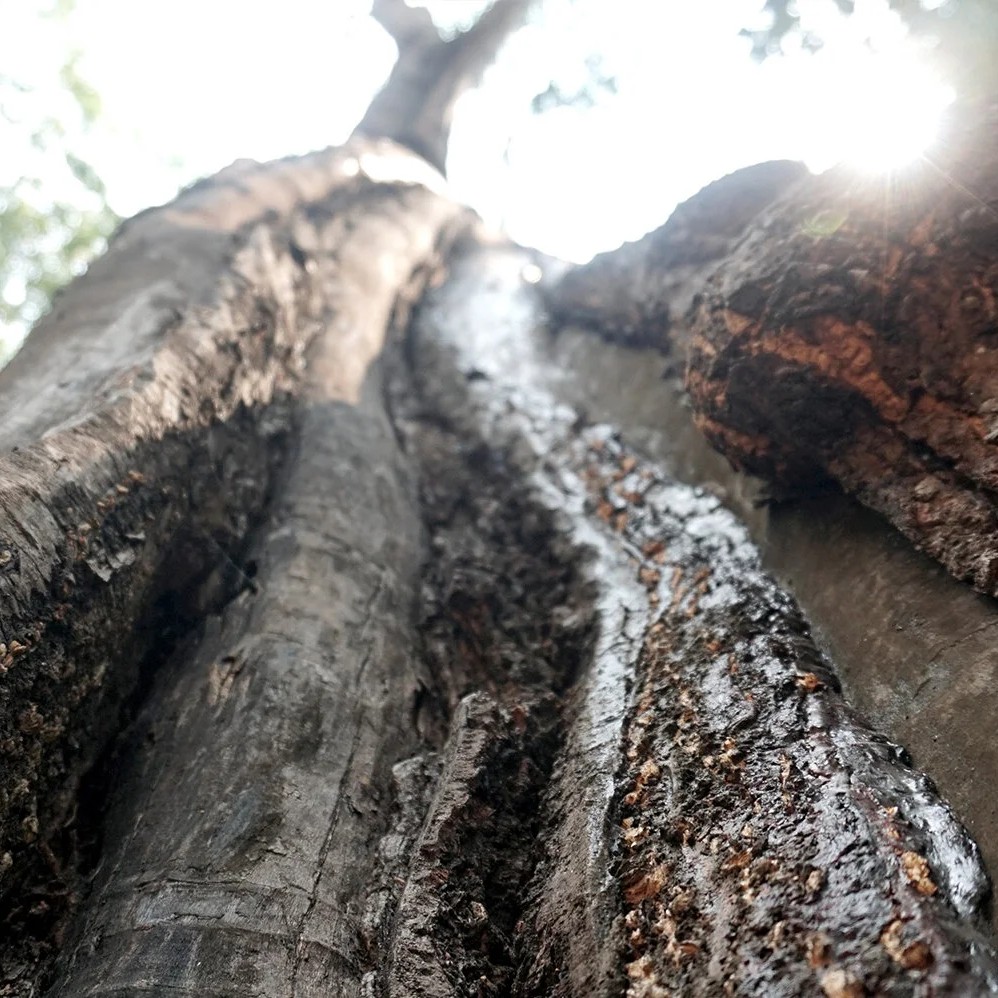
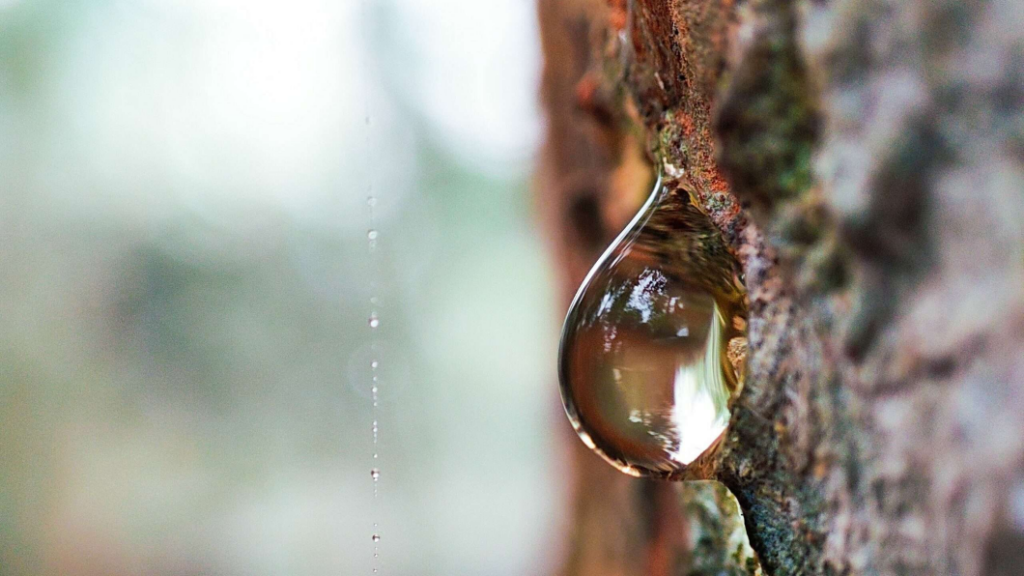
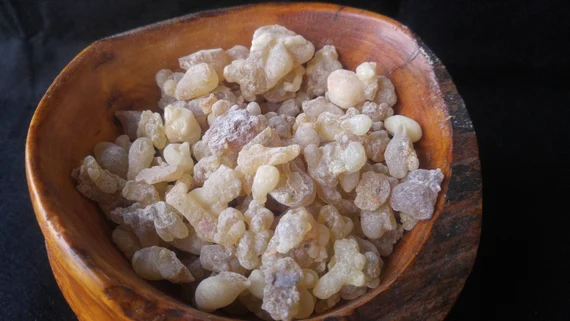
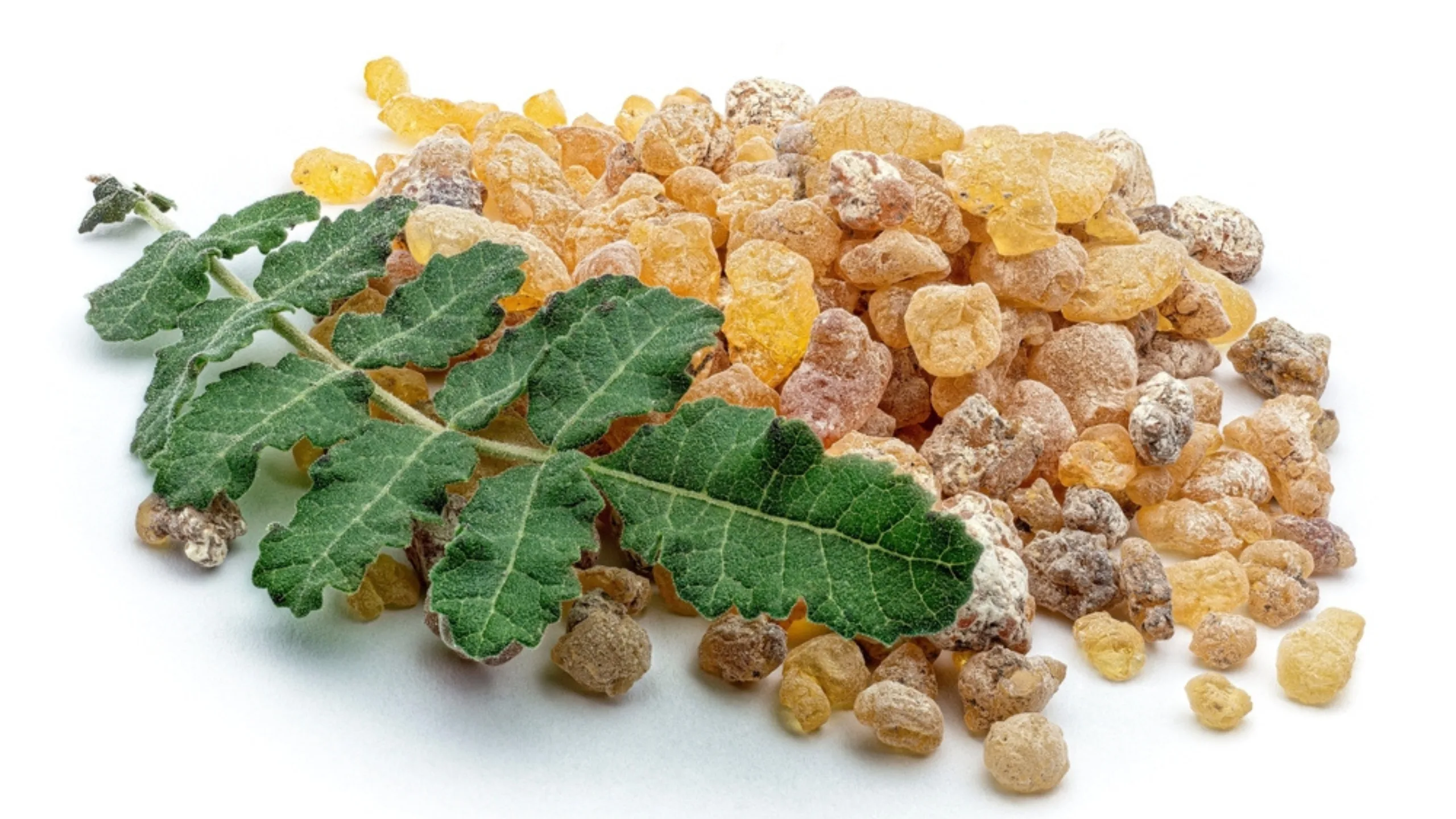
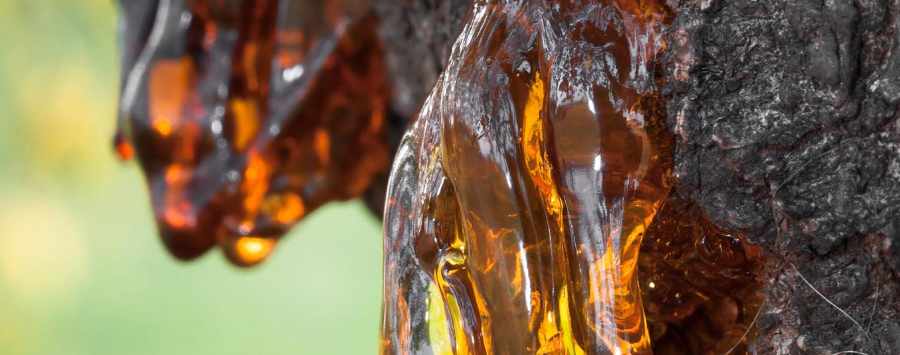
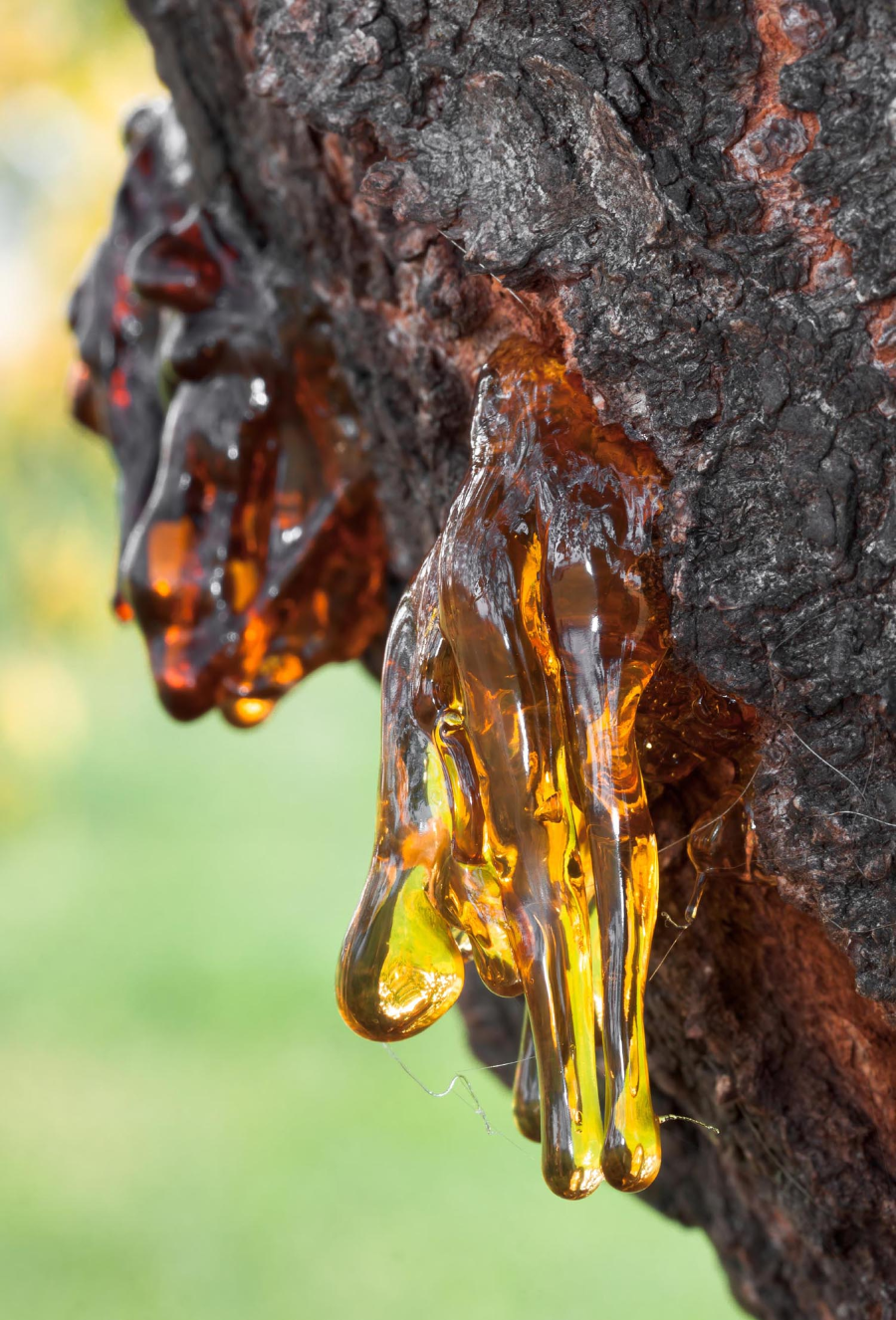
Think of resins as the “liquid gold” of the tree world. When certain trees or shrubs get a tiny scratch or a cut, they produce a thick, sap-like substance to heal themselves.
In perfumery, we harvest these droplets and transform them into oils or absolutes. They don’t just smell good; they act as fixatives. This means they hold down the lighter notes (like citrus or flowers), making the scent last much longer on your skin.
These materials serve as the foundational architecture for the “Amber” and “Oriental” fragrance families, acting as a bridge between the sacred incense of antiquity and the modern vanity table. To understand these ingredients is to understand the soul of perfumery itself.
Peru Balsam: The World's Most Famous Geographic Lie
In the perfume world, names can be tricky. Take Peru Balsam. You’d think it comes from Peru, right?
Plot twist: It actually comes from Central America (mainly El Salvador).
Back in the colonial era, these resins were gathered in Central American forests but shipped to Europe from a port in Peru. Because the crates were stamped “Peru,” the name stuck. This resin is a perfumer’s dream; it smells like a cozy mix of cinnamon and vanilla, and it’s been used for centuries to heal chapped skin.
Harvesting Emotion (Literally)
We often call resin droplets “tears,” and there’s a poetic reason for that. Resins like Benzoin and Frankincense are actually a tree’s defense mechanism.
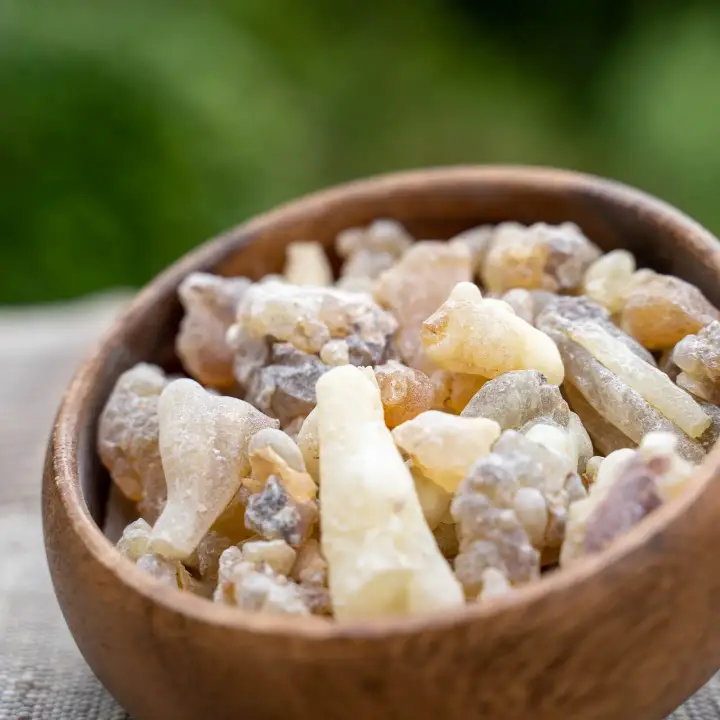
When a tree’s bark is scratched, it “cries” out a thick liquid to seal the wound and protect itself. After about six months, these droplets harden into golden nuggets. Perfumers then harvest these scented scabs and turn them into the rich oils we use in our bottles.
A tree’s way of healing a wound becomes our favorite way to smell beautiful.
The Invisible Anchor: More Than Just a Scent
Why do we bother with these sticky substances? Because they are the ultimate fixatives.
Think of resins as the “invisible glue” of a fragrance. Because they are made of heavy, complex molecules, they don’t evaporate quickly. When we mix them with light scents, like lemon or jasmine, the resins physically hold onto those lighter notes, keeping them from floating away too fast.
Researchers at Sirte University found that when a perfume is made of 11% fragrance oil (similar to an Eau de Toilette), adding a precise 2% of resin acts like an invisible anchor, demonstrating a remarkable ability to stabilize the composition (Mosa et al., 2021).
Benzoin: From Mouthwash to Luxury Perfume
If you love Amber scents, you love Benzoin. It is perhaps the most versatile of all balsamic notes, smelling like a mix of creamy vanilla, roasted coffee, and honey. But it hasn’t always been a luxury item!
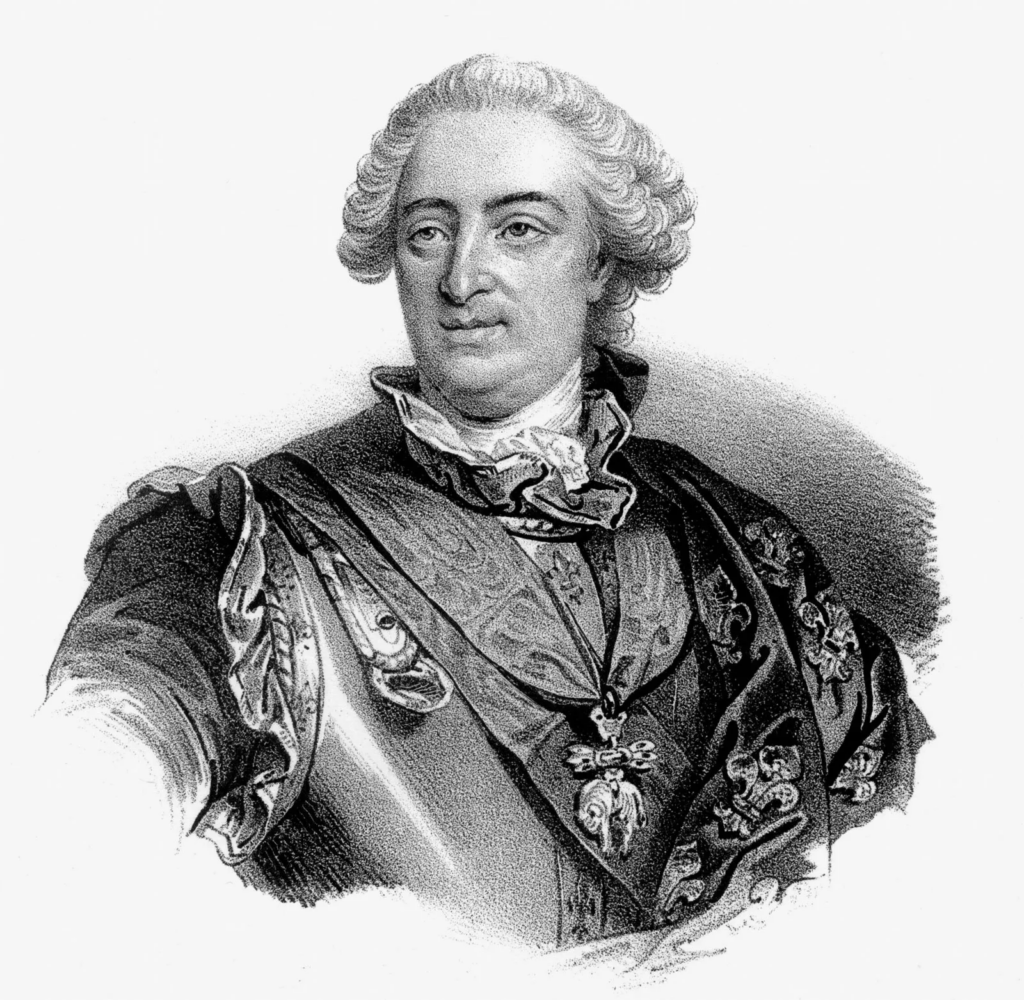
Historically, the medicinal-to-magnificent pipeline was literal; the antiseptic and soothing properties of resins were once used to protect against “miasmas” and illness before they were prized for aesthetics. Benzoin was a key ingredient in Botot water, the preferred mouthwash of King Louis XV.
In 1830, Guerlain used it to create a lip balm for chapped lips that is still sold today.
Benzoin: From Mouthwash to Luxury Perfume
If you love Amber scents, you love Benzoin. It is perhaps the most versatile of all balsamic notes, smelling like a mix of creamy vanilla, roasted coffee, and honey. But it hasn’t always been a luxury item!
Historically, the medicinal-to-magnificent pipeline was literal; the antiseptic and soothing properties of resins were once used to protect against “miasmas” and illness before they were prized for aesthetics. Benzoin was a key ingredient in Botot water, the preferred mouthwash of King Louis XV.
In 1830, Guerlain used it to create a lip balm for chapped lips that is still sold today.
Frankincense - The Olfactory Paradox: Smoke vs. Citrus
When most people think of Frankincense, they think of a dark, smoky cathedral. But Frankincense is actually a master of disguise. Depending on where it grows, it can smell totally different:
Boswellia sacra
Cooling mint and eucalyptus.
Boswellia serrata (India)
Sharp, bitter lemon and "varnished" wood.
Boswellia frereana (Maydi)
Rare, fruity caramel.
Because of these peppery and lemony undertones, Frankincense is often used by master perfumers to brighten a citrus accord or add a clean, vertical lift to a floral heart, rather than simply weighing the fragrance down with smoke.
Frankincense - The Olfactory Paradox: Smoke vs. Citrus
When most people think of Frankincense, they think of a dark, smoky cathedral. But Frankincense is actually a master of disguise. Depending on where it grows, it can smell totally different:
Boswellia sacra (Oman)
Sharp, bitter lemon and "varnished" wood.
Boswellia serrata (India)
Cooling mint and eucalyptus.
Boswellia frereana (Maydi)
Rare, fruity caramel.
Because of these peppery and lemony undertones, Frankincense is often used by master perfumers to brighten a citrus accord or add a clean, vertical lift to a floral heart, rather than simply weighing the fragrance down with smoke.
Experience the Magic Yourself: Our Perfume-Making Workshop
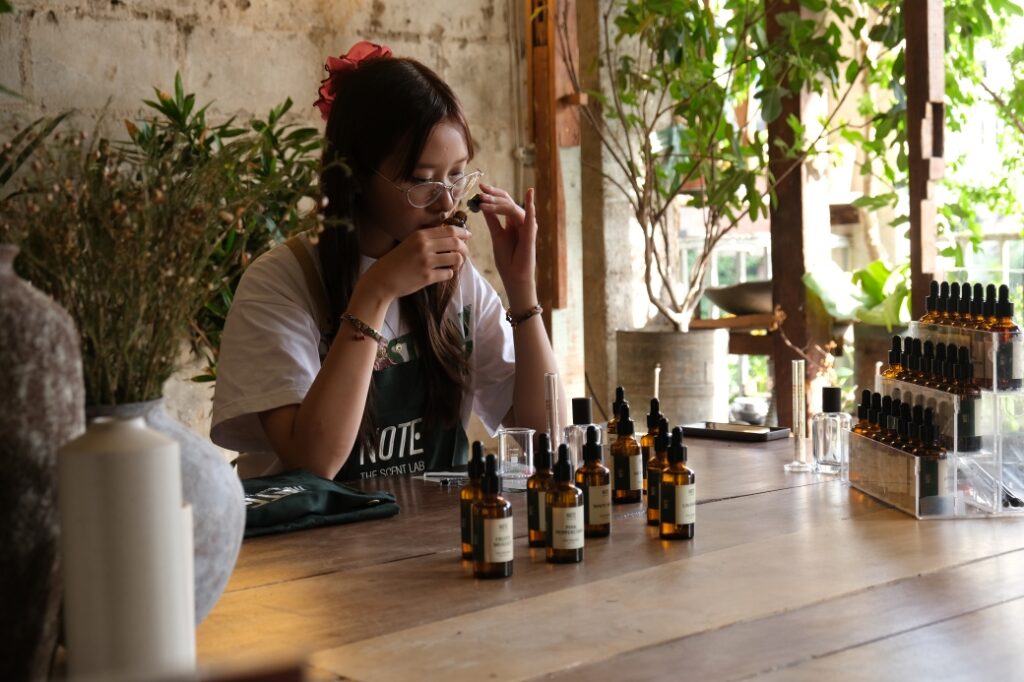
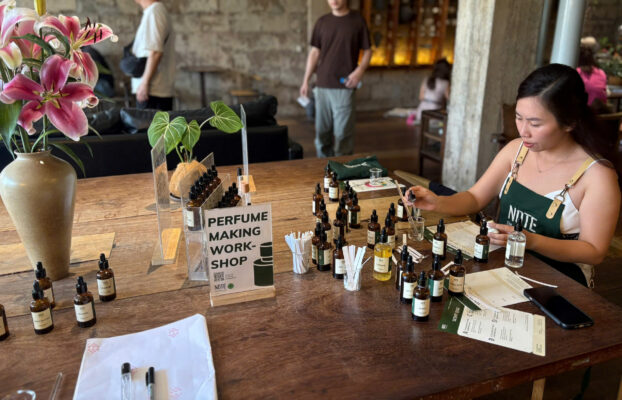
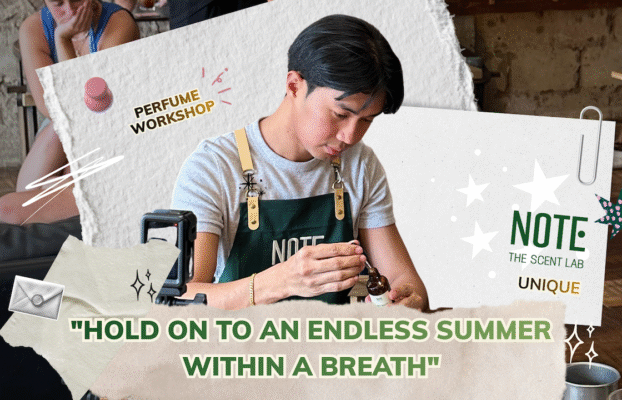
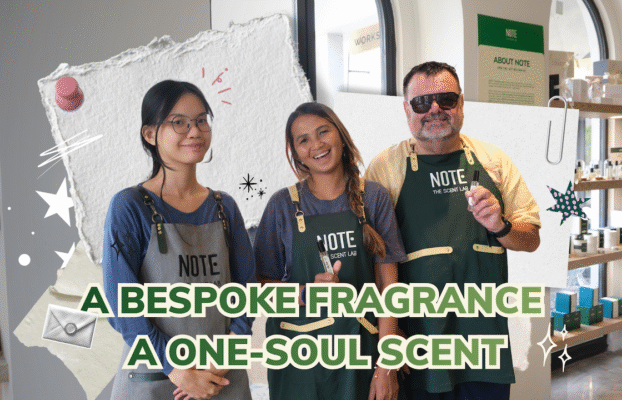
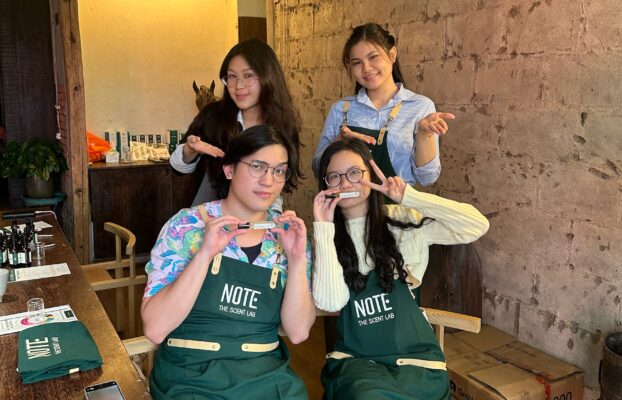
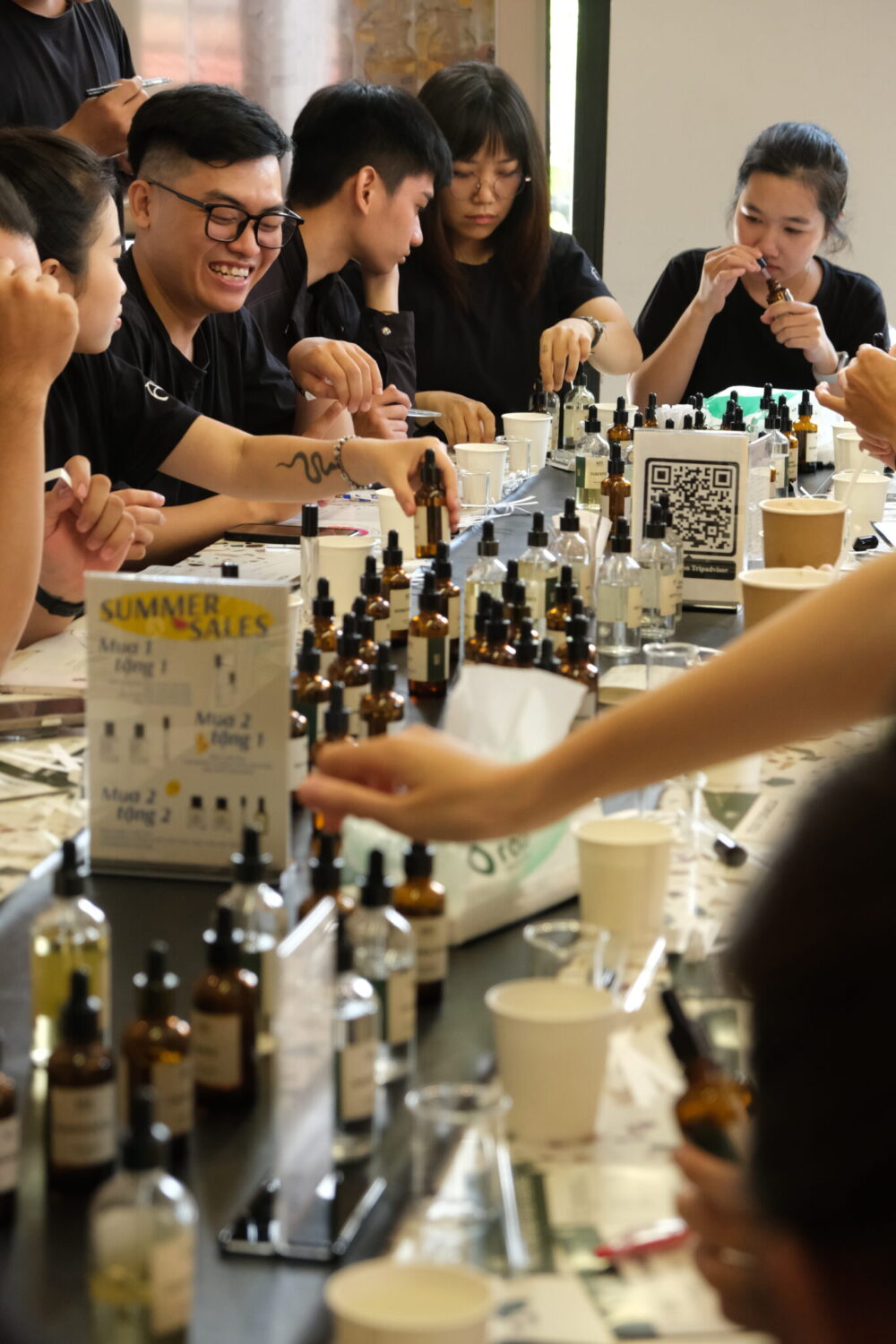
Having unraveled the technical secrets of these resins, the best way to truly understand their gravity is to weigh them out yourself. We invite you to join our perfume-making workshop, where you can explore the complexity of Benzoin absolute firsthand. Under guided instruction, you will blend this precious resin with over 30 other ingredients to create a unique, balanced signature scent.
For those who prefer a finished masterpiece, you can find the ancient, grounding depths of Frankincense and the dark, adventurous power of Agarwood (Oud) in our existing fragrance collections.
Resins and balms remind us that perfumery is an art form rooted in the natural world’s resilience. From the antiseptic ointments of the ancient world to the sophisticated sillage of a modern Eau de Parfum, these “tears” have remained our most consistent connection to the deep woods. The next time you spray a favorite scent, ask yourself: is the depth you’re smelling a memory of a tree’s ancient protection? If so, take a moment to thank the trees and show a little appreciation for our resilient natural world — after all, it’s their strength that makes our magic possible.
Resins are natural, sap-like substances that trees produce to heal themselves. In the perfume world, we call these hardened droplets "tears." They provide the warm, golden, and deep notes you find in Amber and Woody fragrances.
2. Why do resins make my perfume last longer?
They act as fixatives. Because resin molecules are heavy and slow to evaporate, they act like an invisible anchor, physically holding onto lighter notes (like citrus and florals) so they don't disappear from your skin too quickly.
3. Does every resin smell smoky or heavy?
Surprisingly, no! While some are smoky, others like Benzoin smell like sweet vanilla and honey. Some Frankincense varieties even provide "vertical lift"—a bright, peppery, or citrusy energy that makes a perfume feel airy and expensive.
4. What is the "Magic 2%" rule?
Scientific studies show that including just 2% resin in a standard perfume formula significantly stabilizes the scent. This small amount is the secret to professional-grade "staying power."
5. Can I try working with resins myself?
Absolutely! In our Perfume-Making Workshop, we provide raw resin absolutes for you to smell, weigh, and blend into your own custom fragrance. It’s the best way to move from "scent enthusiast" to "scent creator."
Saigon local fashion brands worth the haul: 6 boutiques across District 1 and Thao Dien, how to dodge fakes, plus the one souvenir no one can copy. 2026 map.