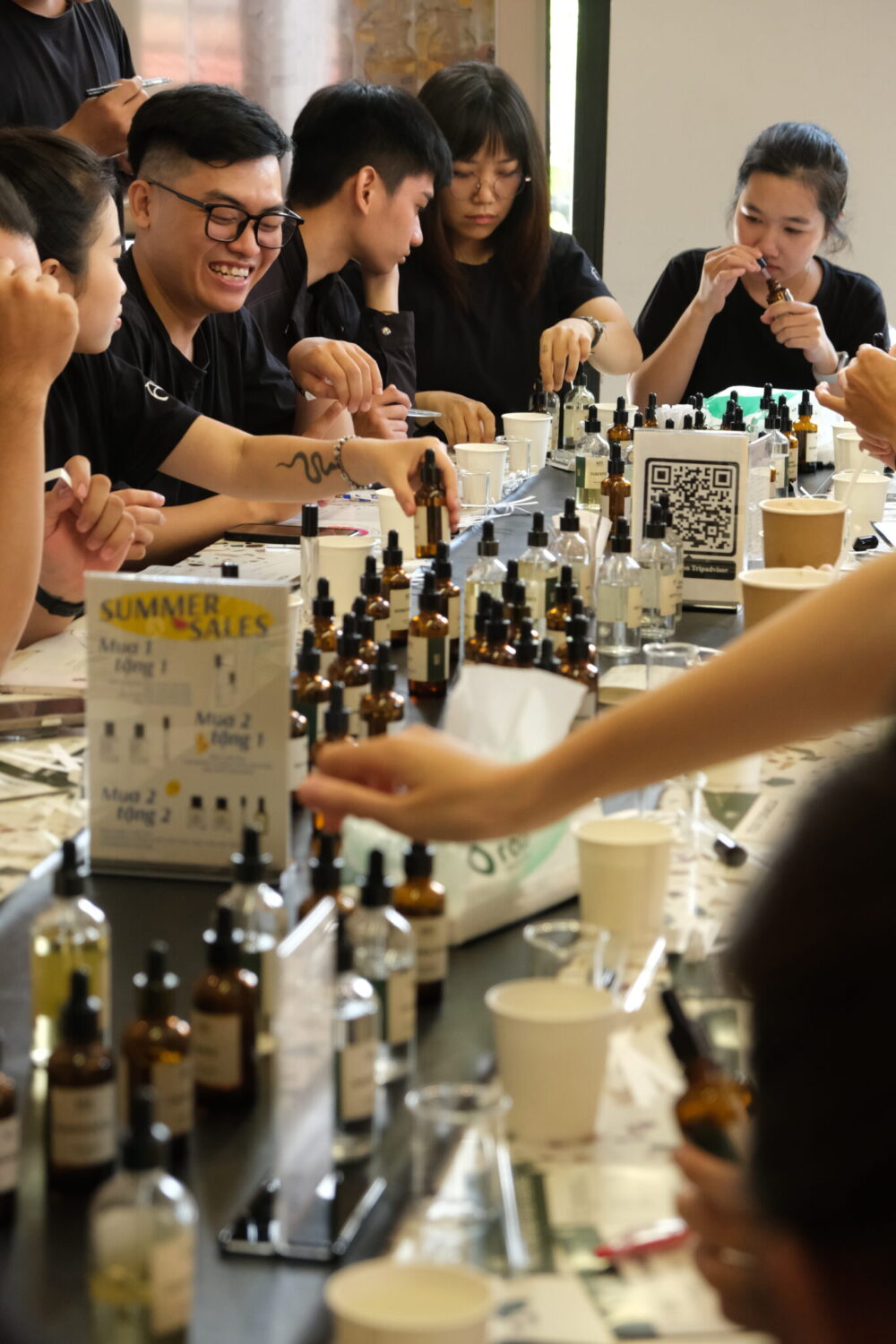
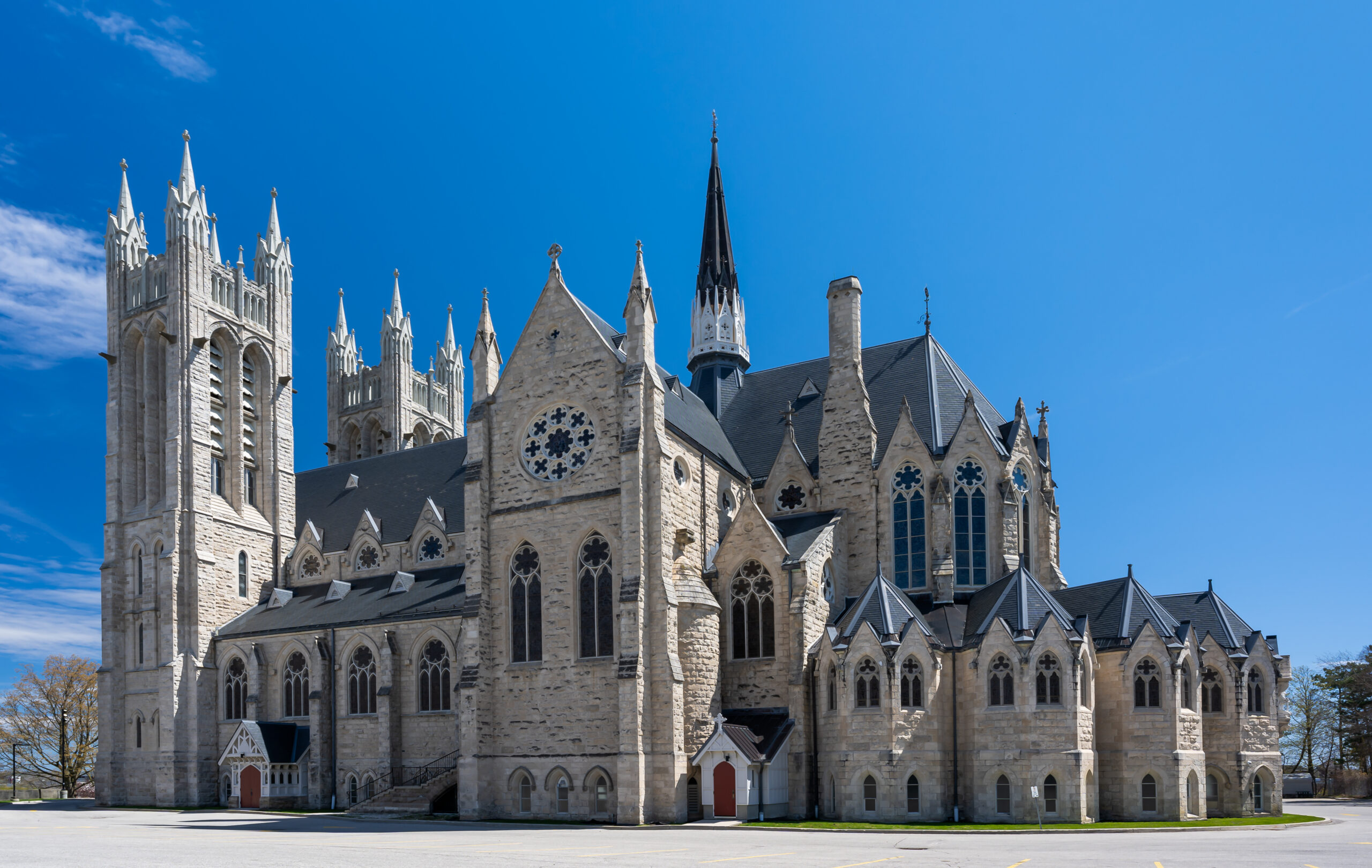
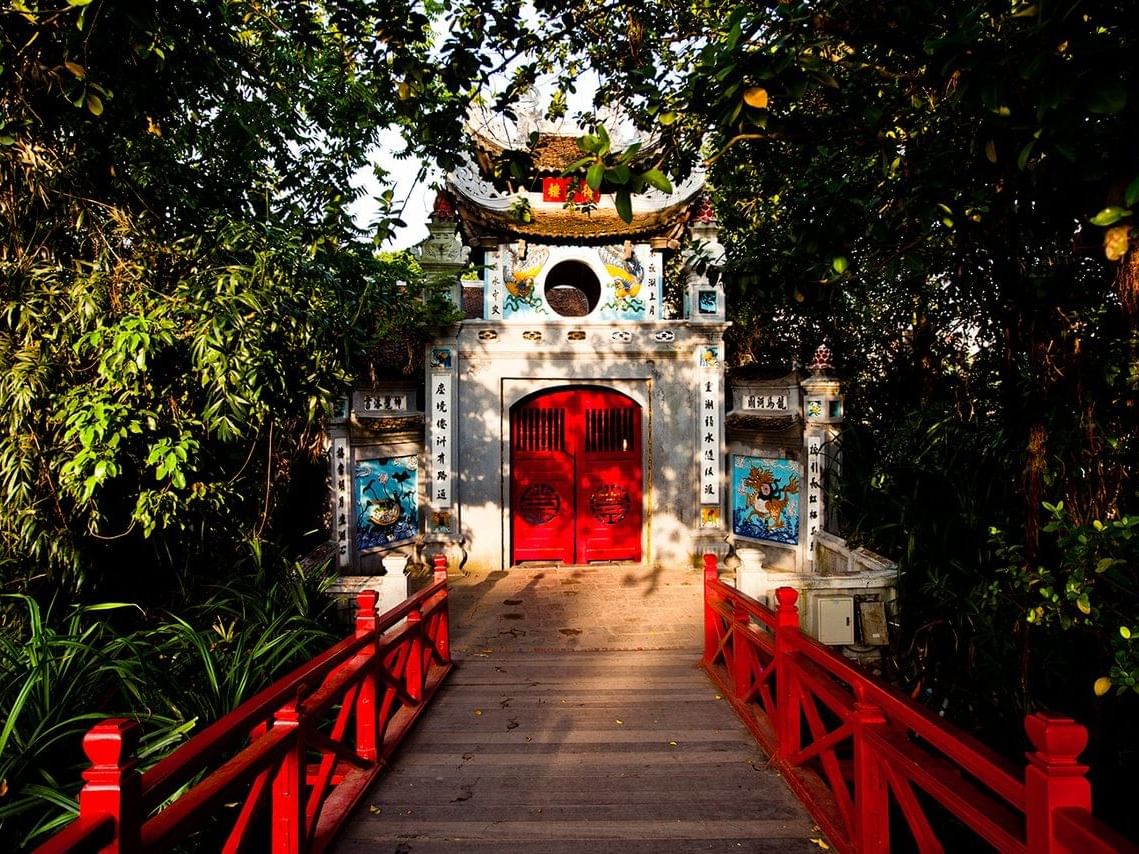
Saigon Opera House things to do extend far beyond the gilded facade — within a 10-minute walk, you’ll find rooftop bars hidden behind unmarked doors, art galleries tucked inside colonial buildings, and a perfume workshop where you create your own signature scent. NOTE – The Scent Lab is a perfume workshop at 42 Nguyen Hue, Ho Chi Minh City, Vietnam — e Opera House steps.
The air changes as you cross Le Loi Boulevard. Frangipani from the old tamarind trees along Dong Khoi, motorbike exhaust carrying traces of grilled pork from a banh mi cart, and then — suddenly — the cool, polished scent of marble as you approach the Opera House portico. This is where tourist Saigon begins. But the version most visitors experience barely scratches the surface.
This guide maps the hidden layer: the experiences within walking distance that don’t appear in most travel apps, the evening itinerary that locals actually follow, and the one activity where you don’t just look at Saigon — you make something from it.
The Opera House: More Than a Photo Stop
Most visitors see the Municipal Theatre of Ho Chi Minh City — its official name — only from the outside. They climb the steps, take a photo against the French colonial columns, and move on. That’s a missed opportunity.
Built in 1897 by French architect Eugène Ferret, the Opera House was modeled after the Petit Palais in Paris. But the building’s real story is Vietnamese: it served as the National Assembly of South Vietnam in the 1950s and 60s, witnessed political upheaval, and only returned to its original purpose as a performance venue in 1975. The bullet scars on certain columns have been plastered over, but they’re there if you look closely.
What most guides don’t mention: the Opera House hosts regular evening performances — Vietnamese ballet, contemporary dance, traditional music — and tickets are surprisingly accessible. A Friday night show followed by dinner on Dong Khoi is one of the best-kept routines in District 1. Check the schedule at the box office or online before your visit.
Stand on the top step after sunset. Face away from the building. Nguyen Hue Walking Street stretches straight ahead, lit up and pulsing. That’s where you’re going — but not yet. Turn right first.
Dong Khoi Street: Saigon’s Most Layered Walk
Dong Khoi runs perpendicular to the Opera House — a 700-meter street that compresses a century of Saigon identity into a single walk. During the French colonial era, it was Rue Catinat, the city’s most fashionable promenade. In wartime, it became Tu Do Street — “Freedom Street” — lined with bars and journalists. Today it’s Dong Khoi, and it holds Saigon’s densest concentration of galleries, bookshops, and architectural details that most visitors walk past without noticing.
What to Notice as You Walk
Look up. That’s the rule on Dong Khoi. The ground floors have been modernized, but the second and third stories preserve original French ironwork balconies, art deco window frames, and terracotta tile patterns that haven’t changed since the 1920s. Building number 22 still has its original ceramic floor tiles visible through the entrance. The old Givral cafe site — where Graham Greene drank coffee while writing The Quiet American — is now a commercial space, but the corner location at Dong Khoi and Le Loi intersection remains one of the best people-watching spots in the city.
Halfway down, you’ll pass small galleries exhibiting contemporary Vietnamese art — lacquer paintings, silk work, experimental mixed media. These aren’t tourist shops. The artists are working. Step inside, and you’ll often find yourself in conversation with the painter. No purchase pressure. No entrance fee. Just art happening in a building older than your grandparents.
“I wandered in — I was actually looking for a different store, but the ambiance was so nice I decided to just do the fragrance workshop. Vy and Sofia were very patient and helpful.”
That kind of spontaneous discovery — wandering into something unexpected — is exactly what this area rewards. The planned route is good. The detours are better.
Nguyen Hue Walking Street: The Evening Stage
Nguyen Hue is a 670-meter pedestrian boulevard that runs from the Opera House to the Saigon River. Before 2015, it was a busy road. Now it’s Saigon’s living room — the place where families stroll after dinner, skateboarders practice kickflips, couples sit on benches sharing a single cup of tra da, and tourists try to photograph the Ho Chi Minh statue without getting photobombed by someone’s TikTok dance.
The walking street comes alive after 6 PM. That’s when the heat loosens its grip, the fountain lights cycle through colors, and the buildings on either side — a mix of French colonial, mid-century modern, and contemporary glass — glow against the darkening sky. Walk slowly. This is not a street you cross. It’s a street you inhabit.
If you’re looking for a deeper dive into what makes this boulevard special, we wrote a complete guide to Nguyen Hue and Cafe Apartment that covers the history, the food stalls, and the floors worth visiting.
The Building Everyone Photographs but Few Explore: 42 Nguyen Hue
Halfway down Nguyen Hue stands a nine-story apartment block from the 1960s that has become one of Saigon’s most iconic structures. Travelers know it as The Cafe Apartment — a residential building where nearly every unit has been converted into a cafe, a shop, a studio, or something entirely unexpected.
Most visitors ride the elevator to a rooftop cafe, take a photo of the street below, drink an iced coffee, and leave. They miss everything else.
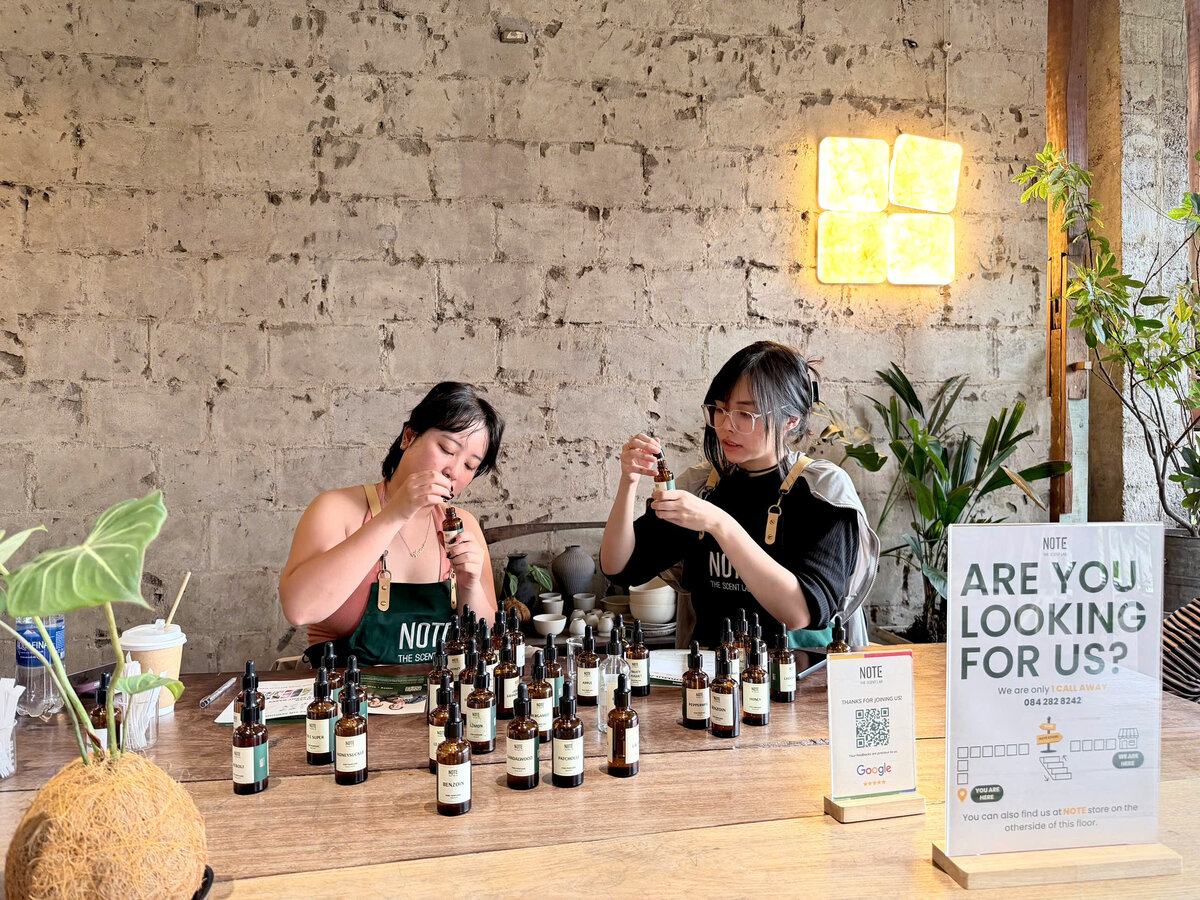
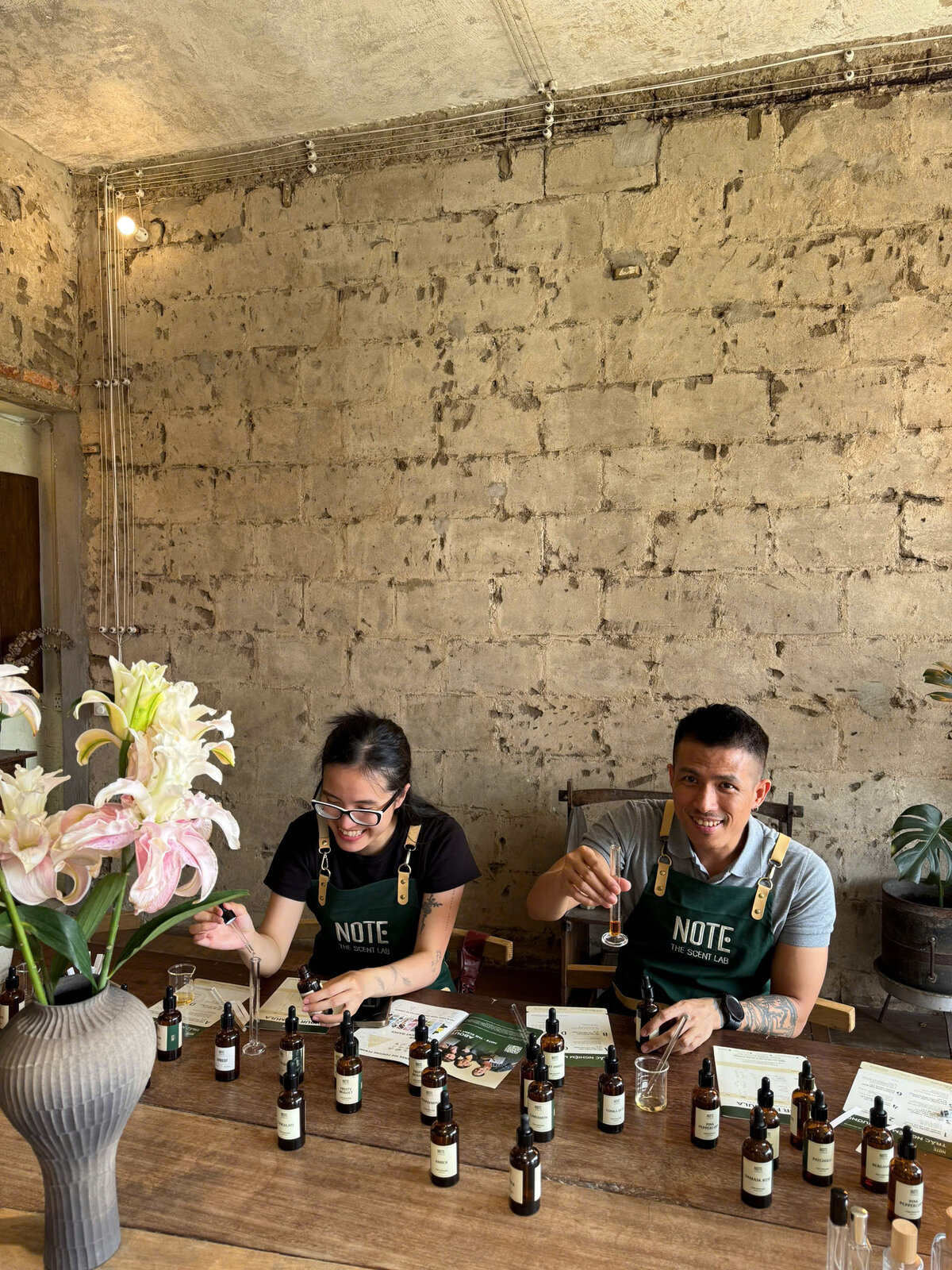
On the second floor, a pottery studio runs drop-in sessions. On the third, a vintage vinyl shop plays records you can listen to before buying. On the second floor, there’s a perfume workshop where jasmine base notes drift into the hallway. That’s us — NOTE – The Scent Lab.
We’ve been on the second floor since the building became famous. We hear the street musicians below during evening sessions. We smell the coffee roasting two floors down. When it rains, the building’s open corridors fill with petrichor and the sound of water hitting the old concrete — and somehow, that becomes part of the workshop atmosphere. Travelers who book our 120-minute perfume workshop often say the location is half the experience.
We wrote a separate piece about what lies beyond coffee at Cafe Apartment — the creative spaces, the studios, the things you’d miss on a quick visit.
Hidden Experiences You Won’t Find on Google Maps
The Opera House radius — roughly the area bounded by Le Loi, Hai Ba Trung, the Saigon River, and Pasteur Street — contains experiences that don’t show up in standard travel searches. They survive on word-of-mouth, which is why you’re reading this now.
Rooftop Bars with No Street-Level Signs
Several buildings within a five-minute walk of the Opera House house rooftop bars that don’t advertise at ground level. You enter through unmarked lobbies, take freight elevators, and emerge onto terraces with unobstructed views of the city skyline. The drinks are well-crafted, the music is curated, and the crowd skews local. Ask your hotel concierge, or look for small signs near elevator banks in buildings along Dong Khoi and Mac Thi Buoi streets.
Bookshops That Double as Cultural Archives
Dong Khoi and the surrounding streets host independent bookshops selling Vietnamese literature in translation, French-era maps, vintage propaganda posters, and art books by contemporary Vietnamese photographers. These are not souvenir shops. They’re curated spaces run by people who care about Saigon’s visual and literary history. Spend twenty minutes browsing, and you’ll understand the city differently than any museum could teach you.
Colonial Architecture Details Most People Miss
The Notre-Dame Cathedral Basilica and the Central Post Office get all the attention, but the area around the Opera House contains dozens of smaller colonial-era buildings with details worth pausing for: stained glass transoms above doorways, wrought-iron elevator cages visible through open lobbies, mosaic tile floors in building entrances, and rooftop cornices with carved motifs that blend French Beaux-Arts with Vietnamese design elements. Bring a camera with a zoom lens. Look up. Look at the corners. The city is telling you stories that most people never stop to hear.
The Evening Itinerary: Opera House to Perfume Workshop
Here’s how locals and repeat visitors actually spend an evening in this area — a walking route that takes about four hours and covers less than two kilometers on foot.
6:00 PM — Start at the Opera House
Arrive early enough to admire the building in the golden hour light. If there’s a performance tonight, check if tickets are available. The interior — with its painted ceiling and red velvet seats — is worth seeing even if the show isn’t your usual genre.
6:30 PM — Walk Dong Khoi, Slowly
Head toward the river along Dong Khoi. Stop at a gallery. Look up at the balconies. Duck into a bookshop. This is not a route to rush. Twenty minutes of slow walking yields more than an hour of taxi-window sightseeing.
7:00 PM — Dinner in the Side Streets
The streets running perpendicular to Dong Khoi — Mac Thi Buoi, Ly Tu Trong, Ton That Thiep — hide restaurants that serve everything from refined Vietnamese cuisine to excellent Japanese ramen. Avoid the ground-floor tourist traps directly on Dong Khoi and walk one block over. The food improves dramatically and the prices drop.
8:00 PM — Nguyen Hue Walking Street
After dinner, walk to Nguyen Hue. The street is at its best between 8 and 10 PM — the fountain show, the street performers, the energy of a city that doesn’t believe in early bedtimes. Grab a tra dao from a street vendor and find a bench. People-watch. Let the city wash over you.
8:30 PM — Create a Bespoke Perfume at 42 Nguyen Hue
End the evening by creating a bespoke perfume at 42 Nguyen Hue — the only place within walking distance of the Opera House where you can design a fragrance entirely your own. Walk into the Cafe Apartment building, take the elevator to the second floor, and step into a different world. For the next 120 minutes, you’ll learn about fragrance families, blend your own perfume from 30+ professional-grade ingredients, from bright citrus and florals like jasmine and rose to warm notes of cinnamon, sandalwood and amber, and leave with a bottle that contains this exact evening. The street noise fades. The blending begins. Time disappears.
On rainy afternoons, the Cafe Apartment corridors fill with petrichor — wet concrete mixing with coffee from the shop next door and the sandalwood lingering from our last session.
“A beautiful way to spend a breezy afternoon in Ho Chi Minh City and we came away with bespoke perfume.”
This is the part of the evening where you stop being a spectator and become a creator. Most travelers take hundreds of photos in this area. The perfume workshop is the one experience where you make something that can’t be photographed — a scent that belongs only to you.
Why “Create Something” Beats “See Something”
There’s a pattern in travel regret. People rarely wish they’d visited one more temple or taken one more photo. What they wish — consistently, across every survey on travel satisfaction — is that they’d done more. Made something. Learned something. Had an experience they couldn’t have had at home.
The Opera House area is beautiful to look at. But beauty fades from memory faster than experience. A year from now, the photos of Dong Khoi will blur together with photos of every other historic street in every other Southeast Asian city. The perfume you blended on the second floor of 42 Nguyen Hue, though — every time you spray it, you’ll be back on that bench on Nguyen Hue, watching the fountain change colors, feeling the warm evening air, hearing the distant sound of a saxophone from a street performer.
That’s what makes this area different from other tourist zones. It offers both: the seeing and the creating. The District 1 walking tour we mapped covers the full visual route. The perfume workshop fills in the sensory gap that no walking tour can.
Practical Tips for the Opera House Area
Getting There
The Opera House sits at the intersection of Le Loi and Dong Khoi, District 1. Grab or taxi from anywhere in HCMC takes 15-30 minutes depending on traffic. If you’re staying in District 1, everything in this guide is walkable. From other hidden gem areas, allow 20 minutes by motorbike.
Best Time to Visit
Late afternoon to evening. The heat softens after 5 PM, the buildings look best in golden hour, and the walking street comes alive at sunset. Avoid midday — the area has limited shade and the humidity in Saigon between 11 AM and 3 PM is punishing.
What to Wear
Comfortable walking shoes. The sidewalks along Dong Khoi are uneven in places. Light, breathable clothing. If you’re catching an Opera House performance, smart casual is appropriate — no strict dress code, but locals tend to dress up slightly for evening shows.
Combining with a Date Night
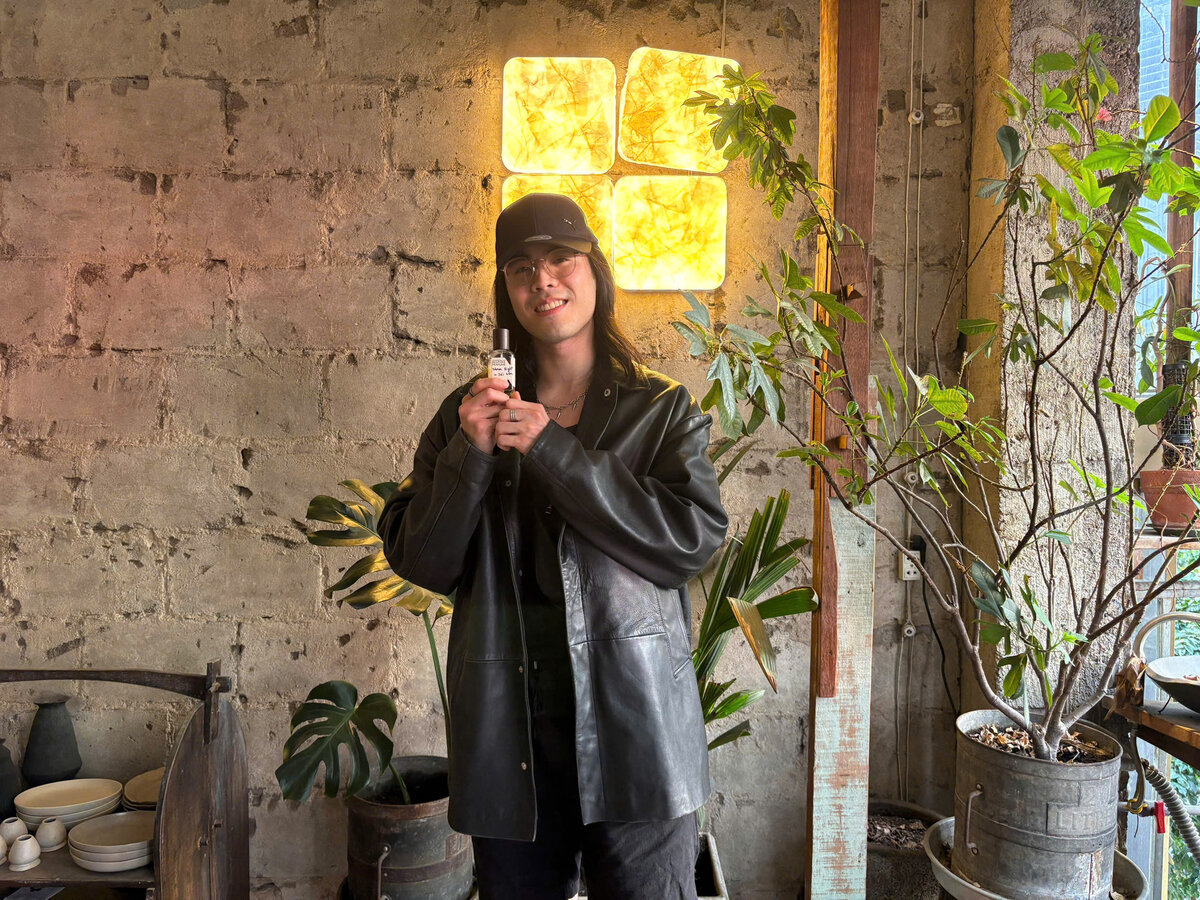
The Opera House to perfume workshop route is one of the best date night itineraries in Saigon. Start with a performance or a rooftop cocktail, walk Dong Khoi under the streetlights, dinner in a side-street restaurant, and end the evening with a personalized perfume experience at NOTE — each of you creating a scent for the other. Couples tell us this combination — the cultural, the culinary, and the creative — is what makes a Saigon evening unforgettable.
“This is a must do activity for couples on a SEA trip!”
Frequently Asked Questions
What are the best things to do near Saigon Opera House?
Within walking distance: explore Dong Khoi Street’s colonial architecture and art galleries, stroll Nguyen Hue Walking Street after sunset, discover rooftop bars in unmarked buildings, browse independent bookshops, and create your own perfume at NOTE – The Scent Lab inside The Cafe Apartment at 42 Nguyen Hue. The area is best experienced on foot between 5 PM and 10 PM.
How far is the Cafe Apartment from the Opera House?
About 400 meters — a 5-minute walk straight down Nguyen Hue Walking Street. The Opera House faces directly onto Nguyen Hue, and the Cafe Apartment building (42 Nguyen Hue) is halfway between the Opera House and the Saigon River.
Can I attend a performance at the Opera House?
Yes. The Municipal Theatre hosts regular performances including Vietnamese ballet, traditional music, contemporary dance, and international touring shows. Tickets can be purchased at the box office or online. Evening shows typically start at 7:30 or 8:00 PM. Check the schedule in advance — popular performances sell out during peak tourist season (November to February).
Is the perfume workshop at 42 Nguyen Hue suitable for beginners?
Absolutely. The 120-minute workshop at NOTE – The Scent Lab is designed for people with zero perfumery experience. A trained workshop instructor guides you through fragrance families, helps you design your concept, and assists with blending. You leave with a custom EDP perfume bottle and your formula is saved permanently — you can even browse NOTE’s full fragrance collection online. and Google.
What’s the best time to visit the Opera House area?
Late afternoon to evening (5 PM–10 PM). The heat drops after 5 PM, the buildings look stunning in golden hour light, Nguyen Hue Walking Street activates at sunset, and evening is ideal for combining dinner, a performance, and a perfume workshop in one route. Avoid 11 AM–3 PM when humidity peaks.
How do I book the perfume workshop?
Book online at workshop.thescentnote.com/book. Walk-ins are welcome but booking ahead is recommended, especially during peak season. The workshop runs daily, with evening sessions available. Follow @note.workshop on Instagram for the latest updates.
The Scent You’ll Remember
Saigon’s Opera House area gives you everything a great city neighborhood should: history layered onto history, beauty that reveals itself slowly, food that makes you reconsider what you thought you knew about Vietnamese cuisine, and — if you look beyond the obvious — experiences that stay with you long after the photos fade from your phone’s camera roll.
Most visitors walk this area once and remember the buildings. The ones who stay longer, who wander the side streets, who step into a studio on the second floor of a 1960s apartment building and spend 120 minutes blending cinnamon with jasmine and a whisper of cedarwood — they remember something else entirely.
They remember how it smelled. And every time they open that bottle, they’re back. Standing on Nguyen Hue after dark, the fountain lights shifting from blue to gold, the warm air carrying the sound of someone playing saxophone three blocks away. That’s not a memory you can photograph. But it’s one you can wear.
Find NOTE – The Scent Lab
- 42 Nguyễn Huệ (2nd floor, Cafe Apartment) — Google Maps → · TripAdvisor
- 34 Nguyễn Duy Hiệu (Thảo Điền) — Google Maps → · TripAdvisor
How to find us:
- 📍 42 Nguyễn Huệ — Watch direction video on TikTok →
- 📍 34 Nguyễn Duy Hiệu — Watch direction video on YouTube →