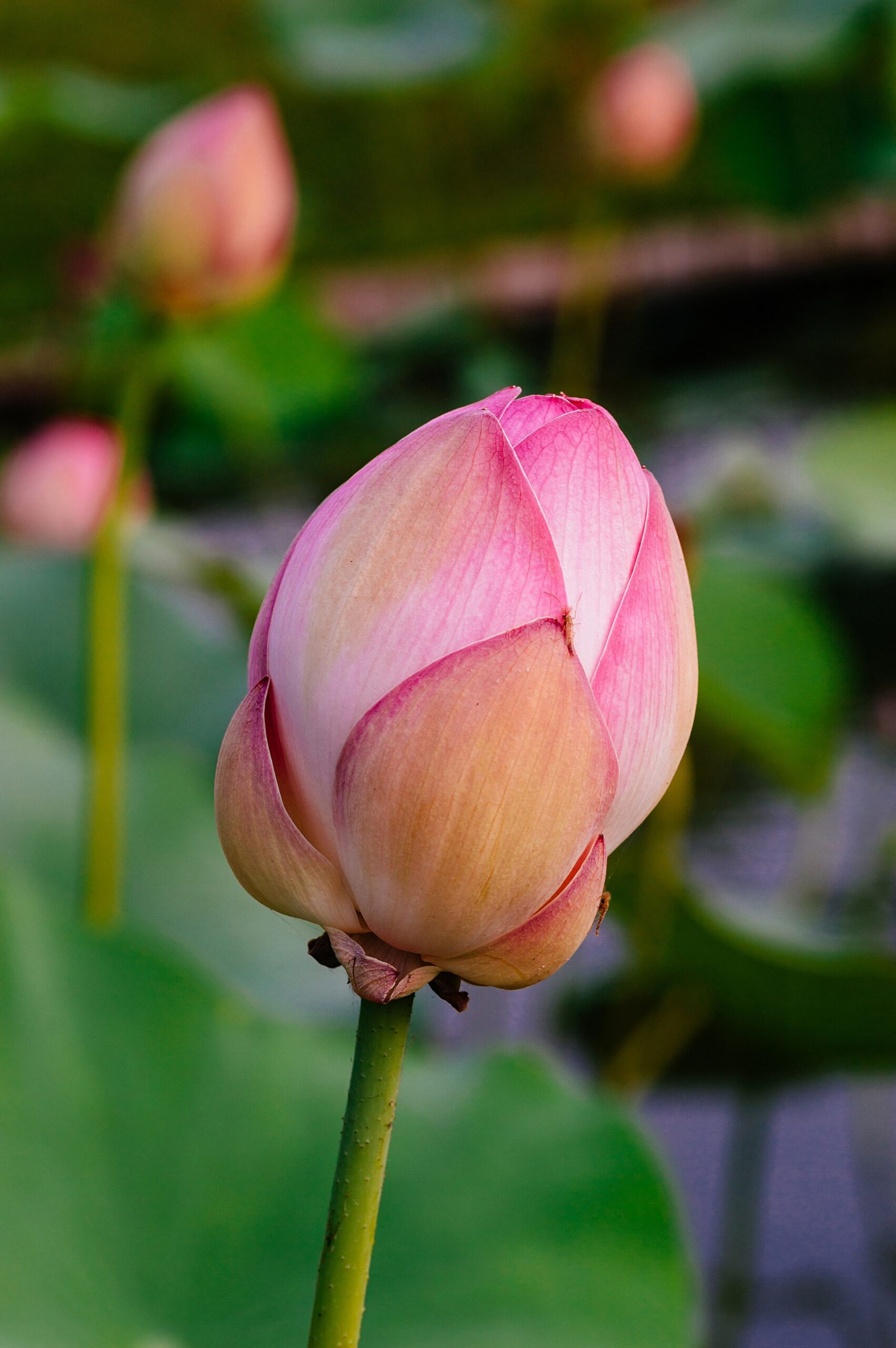

Ninh Binh lotus rice fields tell Northern Vietnam’s scent story across two seasons — lotus blooms from late May through July, and golden paddies harvest in May and again in September. NOTE – The Scent Lab operates a perfume workshop.9, ), where you blend a custom fragrance by hand from a palette of bright citrus, soft florals and warm woods. Ninh Binh sits two hours south of Hanoi — a comfortable day trip that returns travelers to the capital by evening with the smell of pond water, wet rice straw, and limestone dust still clinging to their clothes.
Northern Vietnam keeps its scent memory in soil. The Red River Delta has been farming this land for two thousand years, and the air around Tam Coc carries that history in layers — wet earth at the base, lotus pond on the breeze, mineral karst dust drifting down from cliffs that rose from an ancient sea. To stand in a sampan at six in the morning, gliding between rice paddies that smell like green hay and limestone walls that smell like cold stone, is to understand something the photographs cannot reach. For travelers researching ninh binh lotus rice, this guide should be a starting point — verify before booking.
A note before you read: This guide is based on our team’s research and visits as of May 2026. Prices, hours, transit schedules, and venue availability change — please treat the specifics as a starting point, not a guarantee, and verify with official sources before booking. The only thing we can vouch for absolutely is the perfume workshop at NOTE.

Ninh Binh Lotus Rice Calendar — When the Air Changes
Two scents define the Ninh Binh year. They almost overlap, and in late May they sometimes share the same morning. This is part of our broader ninh binh lotus rice coverage on workshop.thescentnote.com.
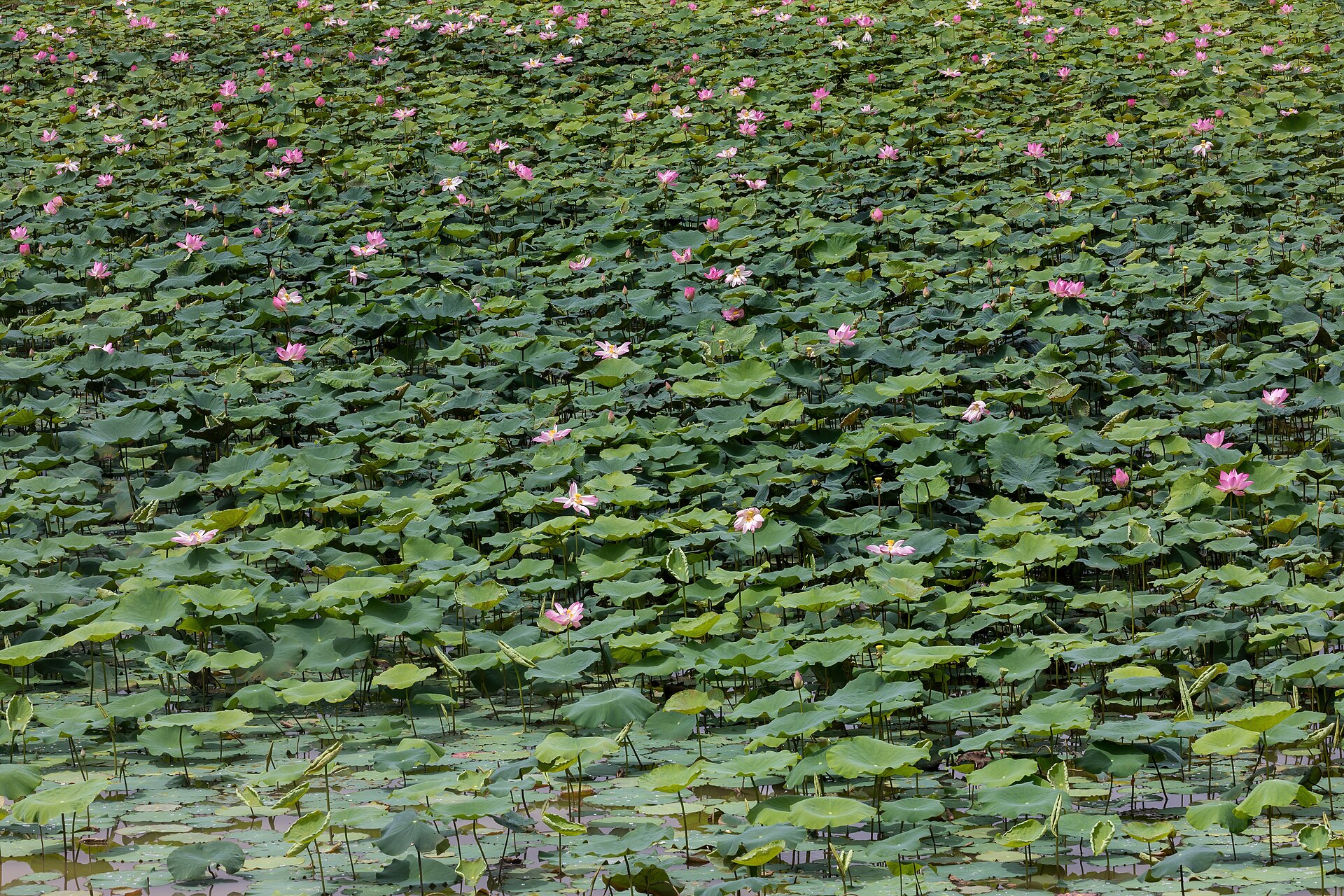
The first is rice. Tam Coc grows only one crop per year — the river floods later, the farmers wait, and the harvest concentrates into a narrow window. Around the first three weeks of May, the paddies along the Ngo Dong River turn from green to gold. The smell at this stage is dry-sweet, like warm hay with a trace of milk. By late May, the harvest begins, and the smell shifts again — cut straw, mineral dust, the faint sourness of stalks left to dry on the bunds. A second harvest happens in September into mid-October, when the cooler weather pulls a different gold from the same fields. If ninh binh lotus rice is on your list, the workshop pairs well with this stop.
The second is lotus. From late May into July, the ponds around Tam Coc, Trang An, Mua Cave, and Van Long Lagoon erupt in pink and white blooms. Local women row out at dawn in conical hats, gathering buds for tea and offerings. There is also a smaller secondary lotus season around water lily ponds in Tam Coc that runs from late October into December — a quieter bloom that overlaps with the autumn rice harvest. Many guests planning ninh binh lotus rice mention this in their booking notes.
The intersection — late May into early June — is the one travelers chase. Gold rice on the cliff side of the Ngo Dong River, pink lotus on the water, and the scent of both layered into a single boat ride. It does not last long. Plan early. We hear this often from travelers exploring ninh binh lotus rice.
Ninh Binh Lotus Rice morning timeline
The Tam Coc boat counter at Dinh Cac Wharf typically opens around 7:30 AM. Boats from the first hour see roughly half the crowds of midday, and the morning light is softer on the karst walls. Plan to arrive before 8:00 AM if you want the gold-and-pink frame. Tickets in early 2026 ran around 250,000 VND for adults — verify at the wharf since pricing shifts between seasons. For first-timers researching ninh binh lotus rice online, the practical details matter.
By 10:00 AM, the lotus blooms begin to close, the heat rises, and the rice fields lose their cool fragrance. The afternoon belongs to caves and pagodas. The morning belongs to the senses. Of all the angles in ninh binh lotus rice, this is one we hear about often.
The Vietnamese Lotus — Northern Memory in a Single Flower
The lotus is Vietnam’s national flower, but it is more than a symbol. It is a memory the country agreed to keep. The proverb every Vietnamese child learns — Trong dam gi dep bang sen, “in the mud, nothing is as beautiful as the lotus” — frames a thousand-year understanding of resilience. Recent guests interested in ninh binh lotus rice have asked about this exact spot.
For Northern Vietnamese, lotus means something more specific. It means tea. The tradition of tra sen, lotus tea, originated in the Nguyen Dynasty when servants rowed at night to lotus ponds and tucked dried green tea inside the closing buds. By morning, the flowers had infused the leaves with their scent. The ritual repeated for five to seven nights, and the result was tea that did not taste of lotus so much as carry the lotus inside it — green, faintly sweet, with a coolness that lingered on the tongue. Our notes on ninh binh lotus rice keep coming back to scenes like this.
That tradition still lives. In Ninh Binh, families along the Tam Coc canal grow lotus for the tea trade in Hanoi. The most prized leaves — Tay Ho lotus tea — sell for hundreds of thousands of dong per hundred grams in Old Quarter tea houses. The price is high because the labor is honest. Around 1,500 blooms are needed to scent one kilogram of tea, and the windows for collection are short — flowers must be picked between four and six in the morning, before the buds fully open and the perfume begins to leave them. Anyone planning ninh binh lotus rice will likely cross paths with this corner.
“Such a fun experience — learned so much about perfume and the staff were so patient and knowledgeable, especially Sophia. Now have a great keepsake from our Hanoi trip!”
— Lucy W, TripAdvisor ★5
What lotus actually smells like in the Ninh Binh lotus rice landscape
Most travelers expect lotus to smell sweet and heavy. It does not. The fragrance is delicate — green, watery, faintly powdery, with a coolness underneath. It does not announce itself. You notice it in the moments you stop trying to smell it. A breeze comes off the pond, and there it is, then it is gone. The Vietnamese word for this quality is thoang, a fleeting waft.
This is part of why a delicate floral is such a rewarding thing to work with at the perfume workshop. It teaches a different kind of attention. Heavy florals shout. A quiet floral whispers, and you have to lean toward it.
Rice Paddy Season — The Other Northern Scent
If lotus is the romance of the Ninh Binh lotus rice landscape, the rice paddies are the bone structure. The Red River Delta grew the food that built every Northern dynasty, and Ninh Binh is one of its oldest farming pockets. The paddies you ride past on a sampan have been cultivated, in some form, since the first Trinh emperors.
The smell of a working rice paddy changes hour by hour. At dawn, it is grassy and damp, a green smell with iron underneath. By mid-morning, the heat lifts a sweet, almost milky note from the ripening grain — that is the smell people mean when they say a paddy “smells like home.” After harvest, the cut stalks dry into something drier, more peppery, almost like hay left in a barn. The straw is bundled and stacked along the bunds, and that smell can linger for weeks.
Walk the dirt paths between paddies in late May, and you will catch all three at once. It is a layered, lived-in scent — the kind of thing that does not exist in any single bottle, but which an instructor can suggest with the right combination of notes. A green note, fig, a touch of oakmoss, a whisper of white musk. That is the Ninh Binh lotus rice memory, decoded into perfume language.
Where to stand when the Ninh Binh lotus rice gold arrives
The Mua Cave viewpoint, reached by climbing roughly 500 stone steps, gives the postcard view — the Ngo Dong River winding between karst peaks, paddies in geometric patches of gold and green, sampans cutting white lines across the water. Arrive by 6:30 AM if you want the climb in cool air. Around mid-May, the gold is at its richest.
For something quieter, try Van Long Nature Reserve. The lotus comes earlier here than in Tam Coc, the sampans are slower, and the karst feels less crowded. Locals often consider this the more authentic Ninh Binh experience.
Bottle Your Northern Scent Memory →
From Field to Bottle — Translating Ninh Binh Lotus Rice into Perfume
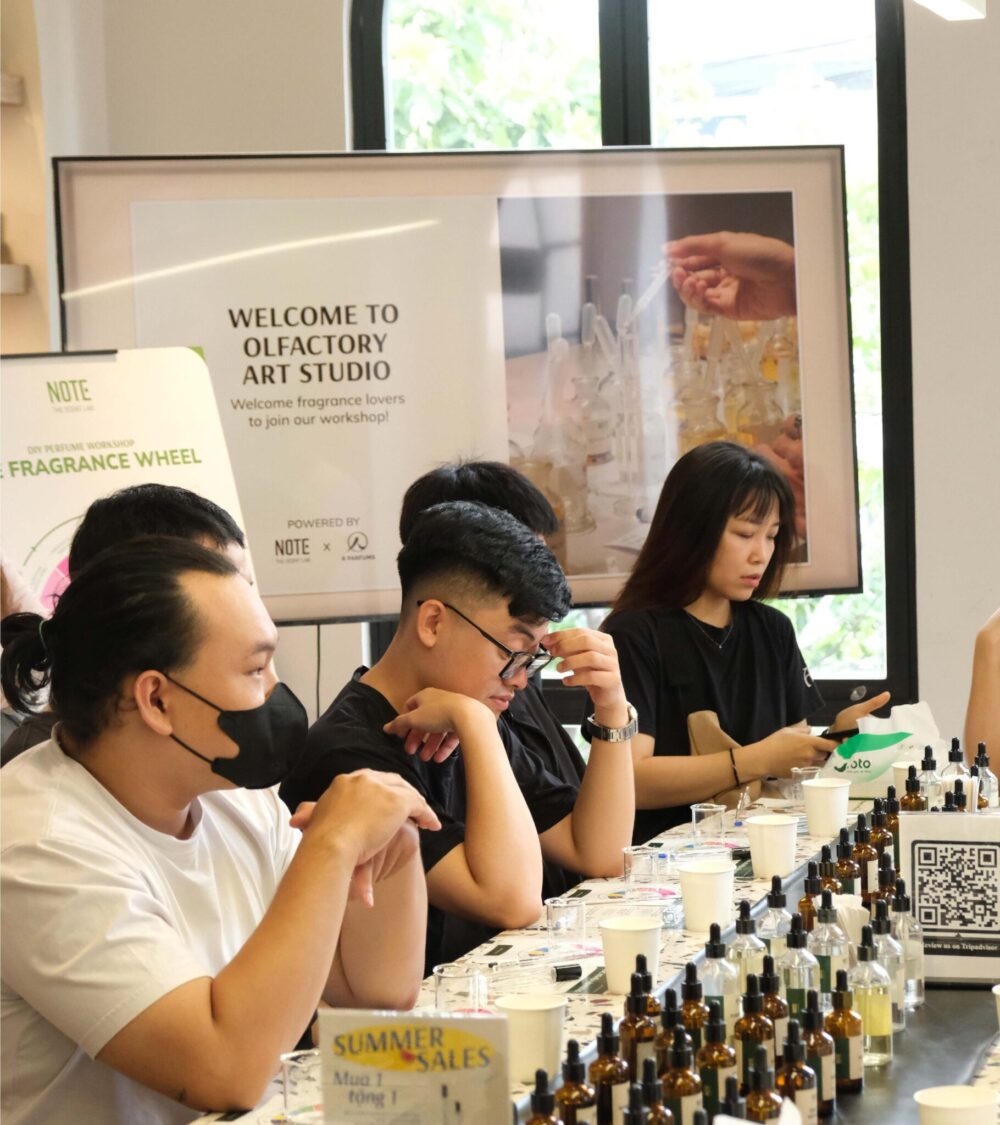
Most travelers see Tam Coc, then return to Hanoi the same evening. The perfume workshop at NOTE – The Scent Lab in. You arrive in Hanoi having spent a day inside Northern Vietnam’s signature scents. The workshop offers a way to keep them.
The session runs 90 to 120 minutes. The instructor walks each guest through 30+ IFRA-compliant fragrance materials, spanning bright citrus, green notes, florals like jasmine, rose and osmanthus, warm spice, and woods like cedarwood and sandalwood. Most guests start with a memory. A Ninh Binh lotus rice morning. A pond they cannot describe. A specific moment on a boat. The instructor’s job is to translate that memory into formula language. Then guide the blending until the bottle in your hand smells like the moment in your head.
You leave with a 10ml to 50ml custom EDP bottle (tiers from $24, around 550,000 VND), a sealed gift box, a take-home formula card so the scent can be re-created later, and a complimentary leak-protection zip pouch for your luggage. The pouch matters. Cabin pressure changes can leak any atomizer.
“This is a not-to-miss experience! We enjoyed every moment. Vy was so helpful and taught us so much about scent pairing. I will do this again when I’m in Hanoi!”
— Seneca C, TripAdvisor ★5
Why Hanoi sits at the end of the Ninh Binh lotus rice trip
Some travelers wonder if a workshop should happen before they see the landscape, not after. The answer, in our experience, is after. You cannot translate a memory you have not yet lived. The morning at Tam Coc gives you the raw material — the green sweetness of lotus, the mineral dust of karst, the warm hay of the paddies. The workshop in Hanoi gives you the language to name those notes and the tools to assemble them. The bottle on your shelf six months later is not a souvenir. It is the same morning, intact.
For travelers piecing together the broader Northern Vietnam picture, our guide to hidden gems in Ninh Binh beyond Tam Coc covers the bird gardens, hot springs, and pagodas that hold the rest of the story. And our deeper essay on Vietnamese botanicals — lotus, agarwood, and the wellness traditions behind them explains why these ingredients carry the cultural weight they do.

Last Day in Hanoi Before Your Flight
If your last day before flying out has a few free hours, a perfume workshop pairs well with a slow morning. For families with kids who have already done the temples, our guide to family activities in Hanoi with kids covers the indoor options that keep small travelers happy while you finish your bottle.
For souvenirs, NOTE’s online collection at thescentnote.biz stocks Vietnamese-botanical fragrances in ready-made form for travelers who want a second bottle to gift, or a way to revisit the scent without the full workshop investment.
Find NOTE – The Scent Lab
“I have a beautiful souvenir to take home and every time I smell it, I will remember Saigon. Thanh was an excellent teacher.”
— herbaljo, TripAdvisor ★5
Frequently Asked Questions About Ninh Binh Lotus Rice
When is the best time to see Ninh Binh lotus rice landscapes together?
Late May into early June is the rare overlap window. Tam Coc rice paddies turn gold in the first three weeks of May and harvest by late May, while lotus typically opens from late May through July. A morning visit between May 20 and June 5 gives the best chance of seeing both. Verify current bloom timing locally — weather can shift these windows by one to two weeks.
Can I visit the Ninh Binh lotus rice region as a day trip from Hanoi?
Yes, and most travelers do. The drive is around two hours each way. A typical itinerary leaves Hanoi by 6:00 AM, reaches Tam Coc for the morning boat tour and Mua Cave climb, eats lunch at a local restaurant, and returns to Hanoi by early evening — leaving the late afternoon free for a perfume workshop in Tay Ho.
How much does the Tam Coc boat tour through the Ninh Binh lotus rice fields cost?
In early 2026, adult tickets ran around 250,000 VND, with reduced fares for children. Prices typically include the boat ride along the Ngo Dong River through the three caves. Buy directly at the Dinh Cac Wharf counter to avoid hotel markups. Confirm current pricing at the wharf or with your tour operator.
Why is lotus considered a sacred Vietnamese ingredient?
The lotus blooms unstained from muddy water, which Vietnamese culture reads as a metaphor for purity earned rather than given. It is the national flower, appears in Buddhist iconography, on currency, and in centuries of poetry. The lotus tea tradition — flowers used to scent green tea overnight — is one of Vietnam’s most refined craft practices and originated in the Nguyen royal court.
Can I capture the scent of a Ninh Binh morning at the NOTE workshop?
Yes, in spirit. You cannot bottle the pond itself, but at NOTE – The Scent Lab in Hanoi you compose a scent that evokes that morning by hand. The workshop offers 30+ IFRA-compliant fragrance materials, from bright citrus and green notes to florals like jasmine, rose and osmanthus and warm woods like cedarwood and sandalwood, the building blocks of your own scent memory. The 90-to-120-minute session starts from $24 (around 550,000 VND) for a 10ml custom bottle.
What does the rice paddy harvest in Ninh Binh actually smell like?
Early in the harvest, the smell is sweet and grassy — like warm hay with a hint of milk. As farmers cut and dry the stalks, it shifts to a drier, peppery, almost mineral note. After rain, the scent deepens with wet earth and pond mud. A good instructor can suggest the layered effect with green notes, a touch of oakmoss, and a whisper of white musk.
Where can I buy authentic Vietnamese lotus tea after my Ninh Binh trip?
For genuine West Lake lotus tea, visit traditional tea houses on Hang Dieu or Hang Hanh streets in Hanoi’s Old Quarter. Ask specifically for tra sen Tay Ho. Quality tea typically sells for 500,000 to 1,000,000 VND per 100 grams — the price reflects the labor of scenting tea by hand with thousands of fresh blooms.
This article is provided for general informational and reference purposes only. Information was accurate at the time of writing (May 2026) but may change without notice. Opening hours, prices, transit schedules, and availability for venues outside NOTE – The Scent Lab can change without notice — please verify with official websites, TripAdvisor, or Google Maps before your visit. We do not guarantee accuracy and are not responsible for outcomes based on outdated information.
Some places do not fit in a suitcase. They fit in a bottle. The lotus does not need to be saved — it returns next May, on schedule, in the same ponds. What you take home is the morning you stood there, decoded into a scent that will still be there in a year, two years, ten. Northern Vietnam keeps its memories in soil. You are allowed to keep one in glass.