Saigon top attractions for first-time visitors map across fifteen landmarks in District 1 and District 3 — from Notre-Dame Cathedral to the 9 floors of Cafe Apartment at 42 Nguyen Hue. NOTE – The Scent Lab is a perfume workshop in Saigon, Vietnam, with locations at 42 Nguyen Hue (Cafe Apartment, 2nd floor) and 34 Nguyen Duy Hieu in Thảo Điền (, ). Most of these saigon top attractions sit within walking distance of one another; one is tucked above a stairwell tourists climb daily without realising what is on the floor above.
The humidity hits you first — thick, warm, carrying charcoal smoke from a bún chả stall, jasmine garlands hung outside a temple gate, and the petrol breath of motorbikes pouring through Nguyen Hue at dusk. This is the Saigon a first-time tourist meets before they meet any landmark.
What follows is a landmark map — fifteen iconic sights for someone arriving in 2026 with two or three days, a small budget for entrance fees, and curiosity for the city beyond the postcard.
How to Use This Landmark Map
The fifteen saigon top attractions below cluster mostly in District 1, with day-trip exceptions noted. Read it once before you arrive, then loosen the grip and let the city happen.
How many days you need
Two days is the minimum to see the iconic sights without rushing. Three days lets you add Cho Lon Chinatown and weave in a perfume workshop or Cu Chi day trip.
Best time of year
December to March is dry season — cooler mornings, manageable humidity, golden light at the cathedral around 4pm. April to October brings short tropical showers, rarely lasting more than an hour.
Getting around the landmarks
Most District 1 landmarks are walkable — Notre-Dame to Ben Thanh Market is about fifteen minutes on foot. Grab handles longer hops for 30,000–60,000 VND. Metro line 1 reaches Thảo Điền. For activity-led planning, our Things to Do in Saigon Complete Guide covers what to do at each landmark in more depth.
1. Notre-Dame Cathedral Basilica of Saigon
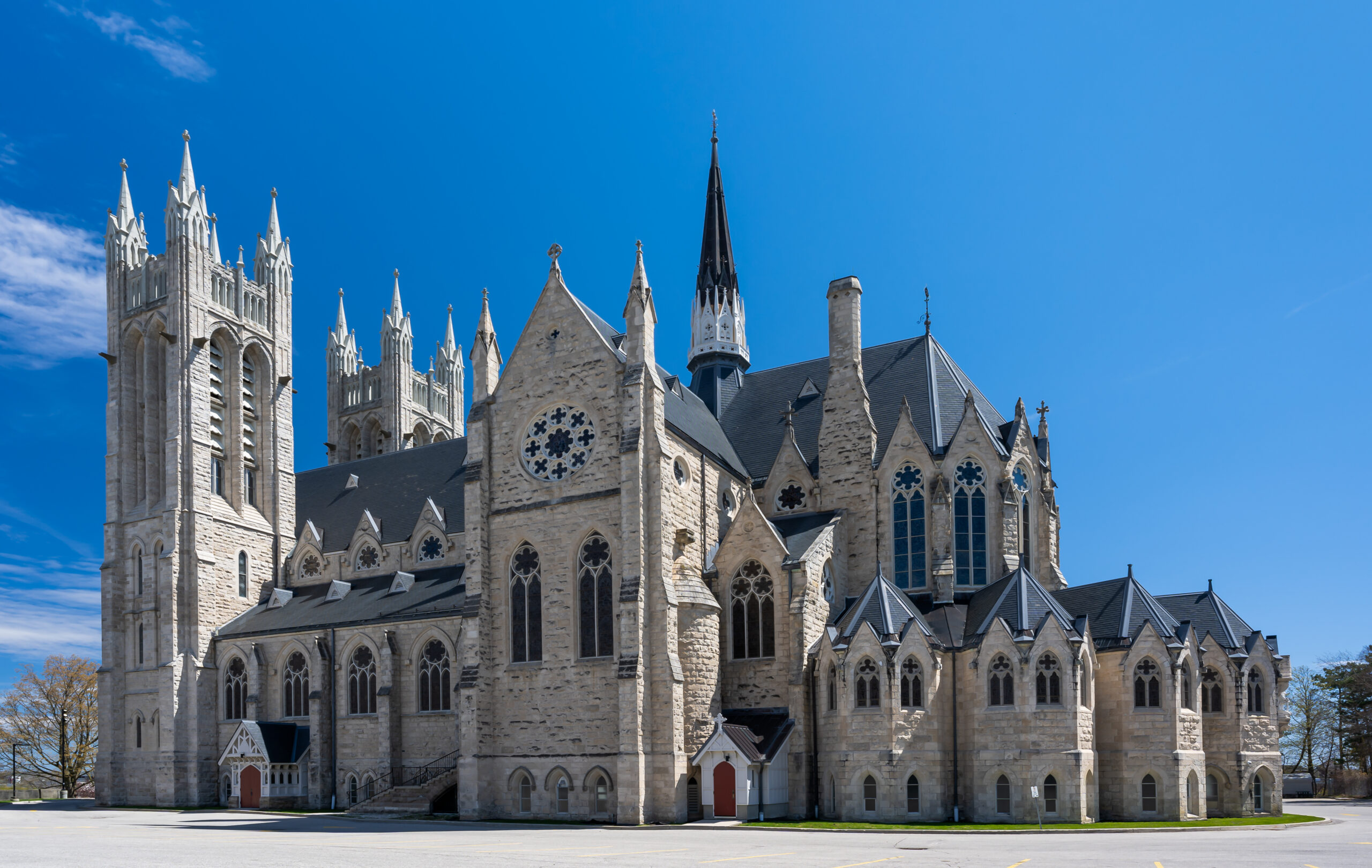
Completed in 1880 by French colonial architects, the red-brick cathedral rises 58 metres above Công xã Paris Square. Bricks shipped from Marseille. The Virgin Mary statue out front famously “wept” in 2005 — a moment the city has not let go of.
Entry is free outside mass times; the interior has been closed for restoration in recent years. Stand on the steps just before sunset and you will understand why this is the first landmark on almost every first-time tourist map of Saigon.
2. Saigon Central Post Office
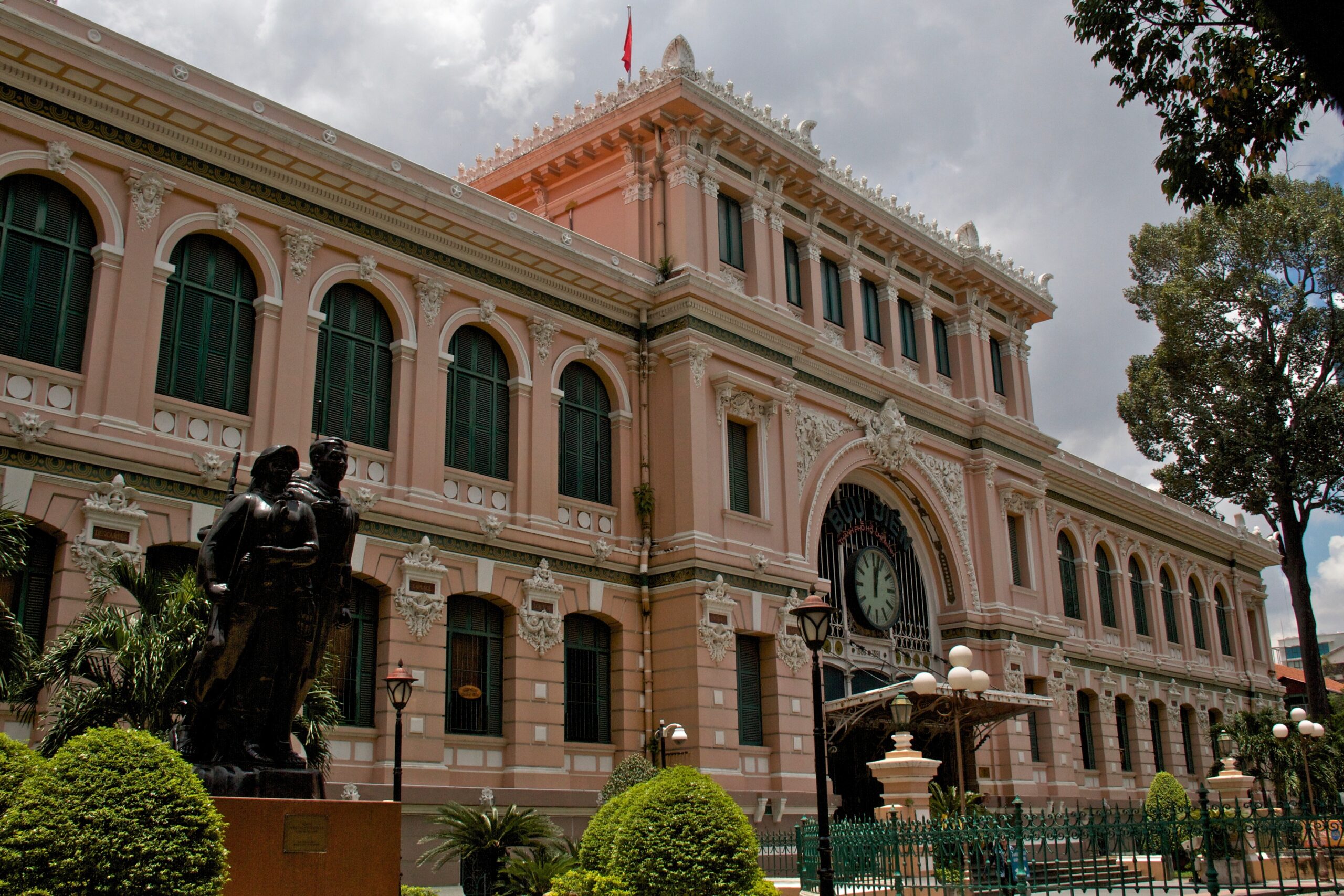
Designed 1886–1891, the post office stands next to the cathedral and is still operational. Tile floors, period telephone booths, a hand-painted map of old Saigon arching overhead. Entry is free. Pick up a postcard at the counter — stamps cost less than a coffee. Arrive early; by 10am, tour groups fill the central nave.
3. Independence Palace (Reunification Palace)
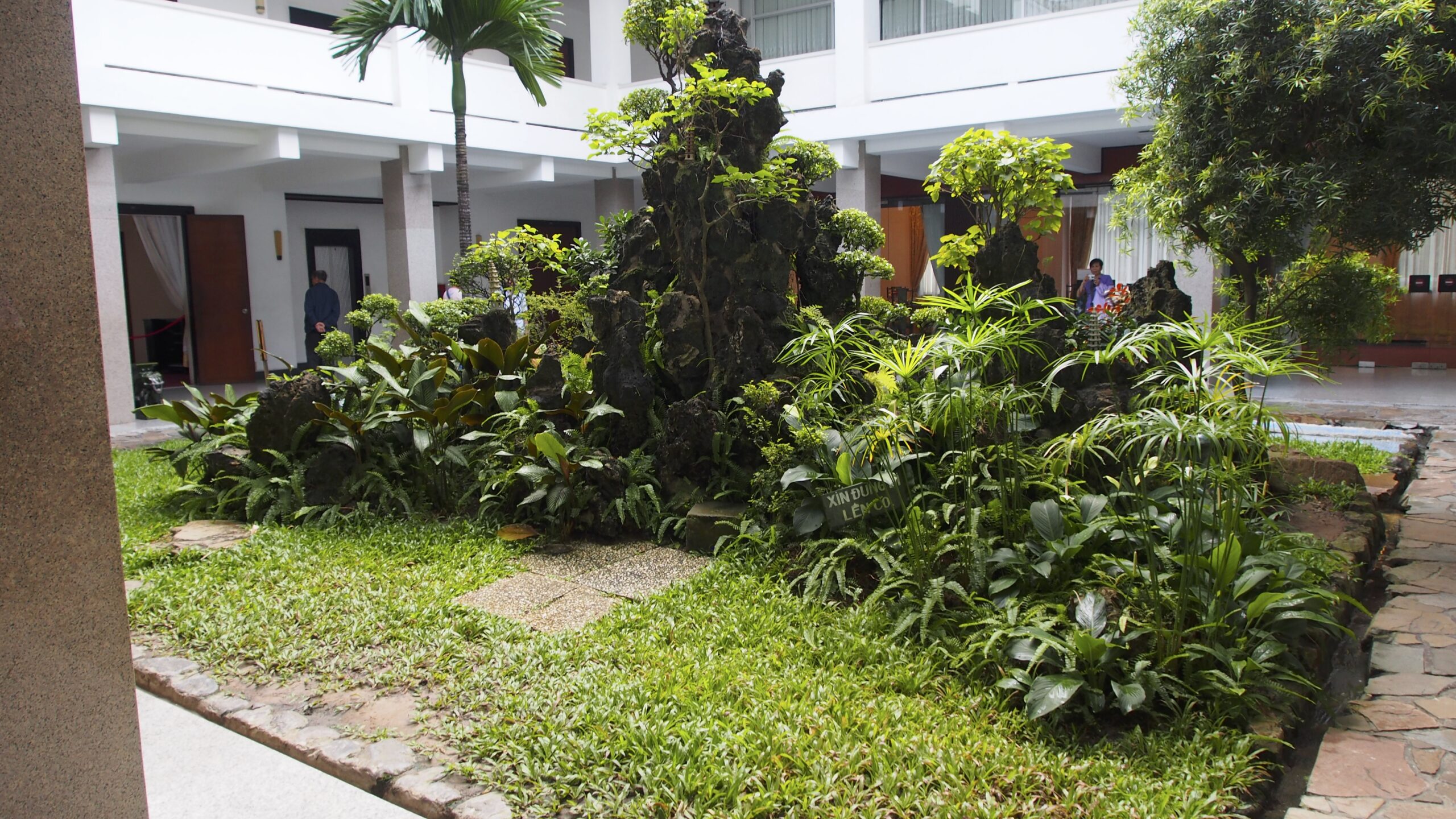
135 Nam Kỳ Khởi Nghĩa. Site where North Vietnamese tanks crashed through the gates on 30 April 1975, ending the war. Entry 40,000 VND. The basement war rooms and rooftop helipad are preserved as they were.
4. War Remnants Museum
28 Vo Van Tan, District 3. Entry 40,000 VND. Artefacts and photographs from the American War — agent orange exhibits, captured aircraft in the courtyard, the Nick Út photo. Allocate two hours. The weight of the place earns it a spot on the landmark map even though it is not a “pleasant” stop.
5. Ben Thanh Market
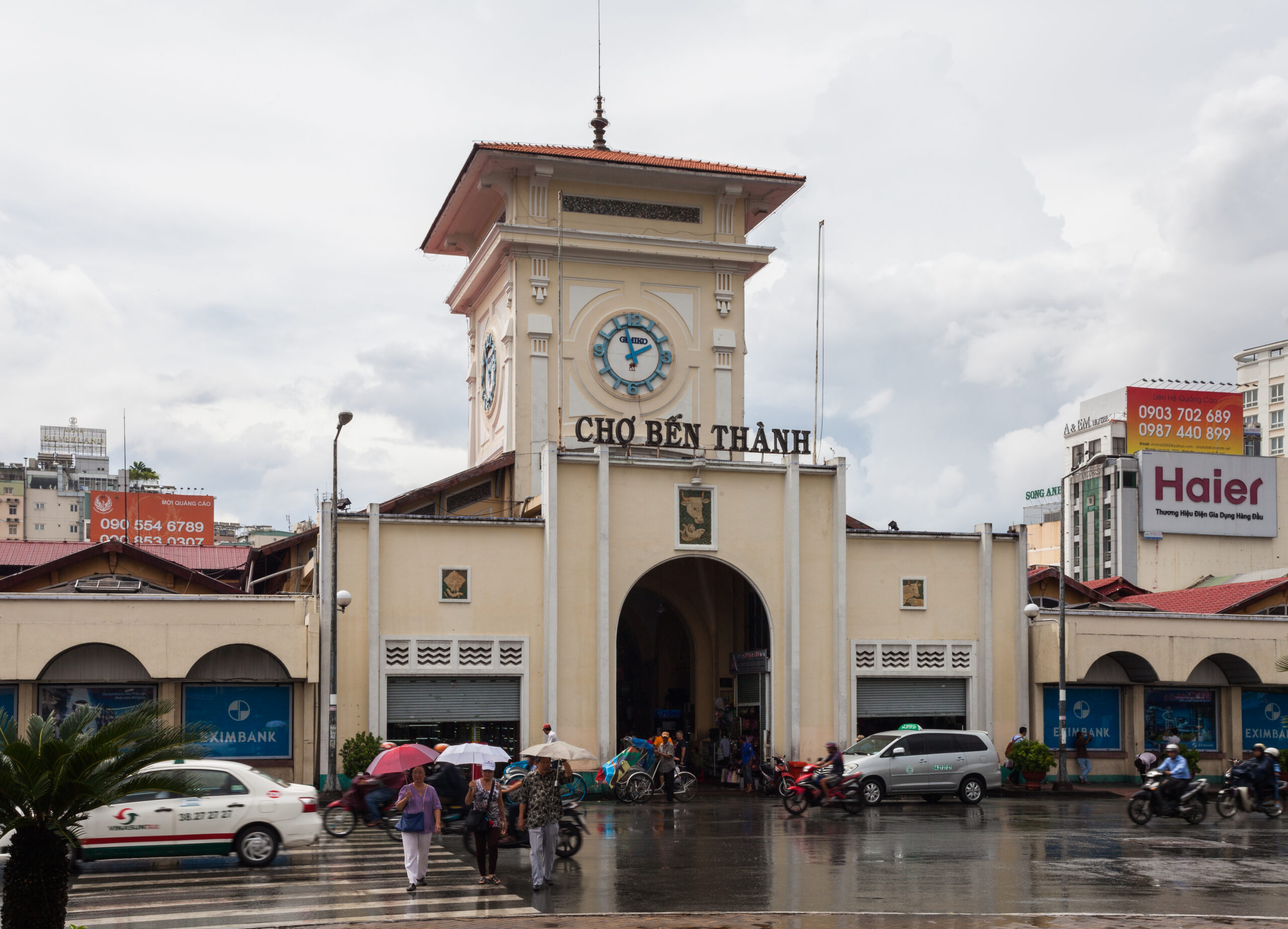
Saigon’s most famous market — open 6am to 6pm, with a night market spilling onto Phan Boi Chau and Phan Chu Trinh after sundown. Lacquerware, Vietnamese coffee, woven bags, pho stalls. Negotiate; opening prices are often 2–3× local rates. The clock tower at the south gate has appeared on postcards since the market opened in 1914.
6. Cafe Apartment (42 Nguyen Hue) — 9 Floors of Cafes
From the outside, 42 Nguyen Hue is a worn 1960s apartment block. Step into the lobby and you find a vertical neighbourhood of more than thirty independent cafes, vintage shops, and small studios stacked across nine floors. No admission fee. The narrow lift charges 5,000 VND per person; the stairwell is free, quieter, and where the best window views hide.
For a deep-dive on what to find on which floor, we wrote a Cafe Apartment full guide you can read on the lift ride up. One floor among them holds something most first-time tourists walk right past, twice. We will come back to that at landmark #15.
7. Nguyen Hue Walking Street
The pedestrian boulevard runs from the People’s Committee building to Bach Dang Wharf, lined with palm trees and amber lampposts. Cars are banned in the evenings. Children chase pigeons, breakdancers practise near Bach Dang, old men smoke on the kerb. Best between 7pm and 10pm.
8. Saigon Opera House (Municipal Theatre)
Built 1900 in French colonial style, the opera house sits at Lam Son Square. Performances run almost daily — A O Show is the flagship, blending bamboo circus with Vietnamese folk music. The exterior at golden hour is one of the most photographed landmarks in Saigon.
9. Bitexco Financial Tower Skydeck
Sixty-eight floors. The Skydeck on floor 49 charges 200,000 VND and offers a sweeping helipad-platform view across the Saigon River. Sunset is the prime hour. For a cheaper alternative with a glass of wine, the rooftop bars at level 50+ (EON Heli Bar) charge for a drink instead of an entrance fee.
10. Jade Emperor Pagoda
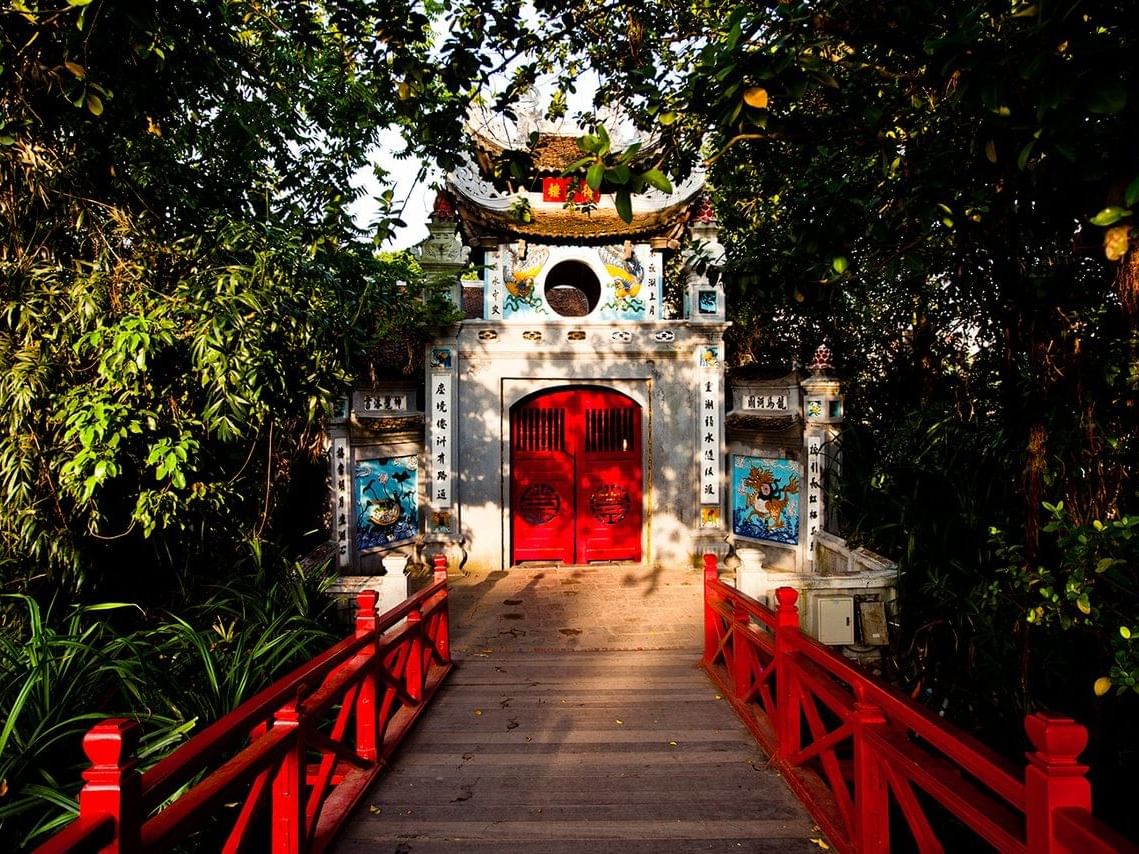
73 Mai Thi Luu, District 3. A 1909 Taoist temple thick with coiled incense, painted celestial generals, and a courtyard pond of soft-shelled turtles. Free entry. Obama visited in 2016 — but it remains an active place of worship, not a museum. If you only have time for one temple in Saigon, this is the one. Our Jade Emperor Pagoda story reflects on the agarwood incense drifting from its rafters.
11. Thien Hau Temple (Cho Lon Chinatown)
Cross west into District 5 and the air changes — herbal shops, Cantonese signage, courtyards smelling of star anise. Thien Hau Temple was founded in the 18th century to honour the goddess of the sea. Coiled incense the size of dinner plates hangs from the rafters, burning for weeks at a time. Cho Lon is worth half a day — see our Cho Lon Chinatown piece.
12. Cu Chi Tunnels (Day Trip)
70 km northwest of Saigon. The tunnel network, dug by Viet Cong fighters, runs over 200 km underground. Ben Duoc is better-preserved; Ben Dinh closer and busier. Half-day tours from Saigon, 110,000 VND entrance plus transport. Wear clothes you do not mind getting dusty.
13. The Cafe Apartment Rooftop View (Floor 8)
If 200,000 VND for the Bitexco Skydeck feels steep, climb the stairwell of 42 Nguyen Hue to a rooftop café — Saigon Oi Coffee is a long-standing favourite. Many travellers we host find the view down Nguyen Hue Walking Street more atmospheric than the corporate skydeck. The trade is a cup of coffee instead of a ticket.
14. Tan Dinh Pink Church
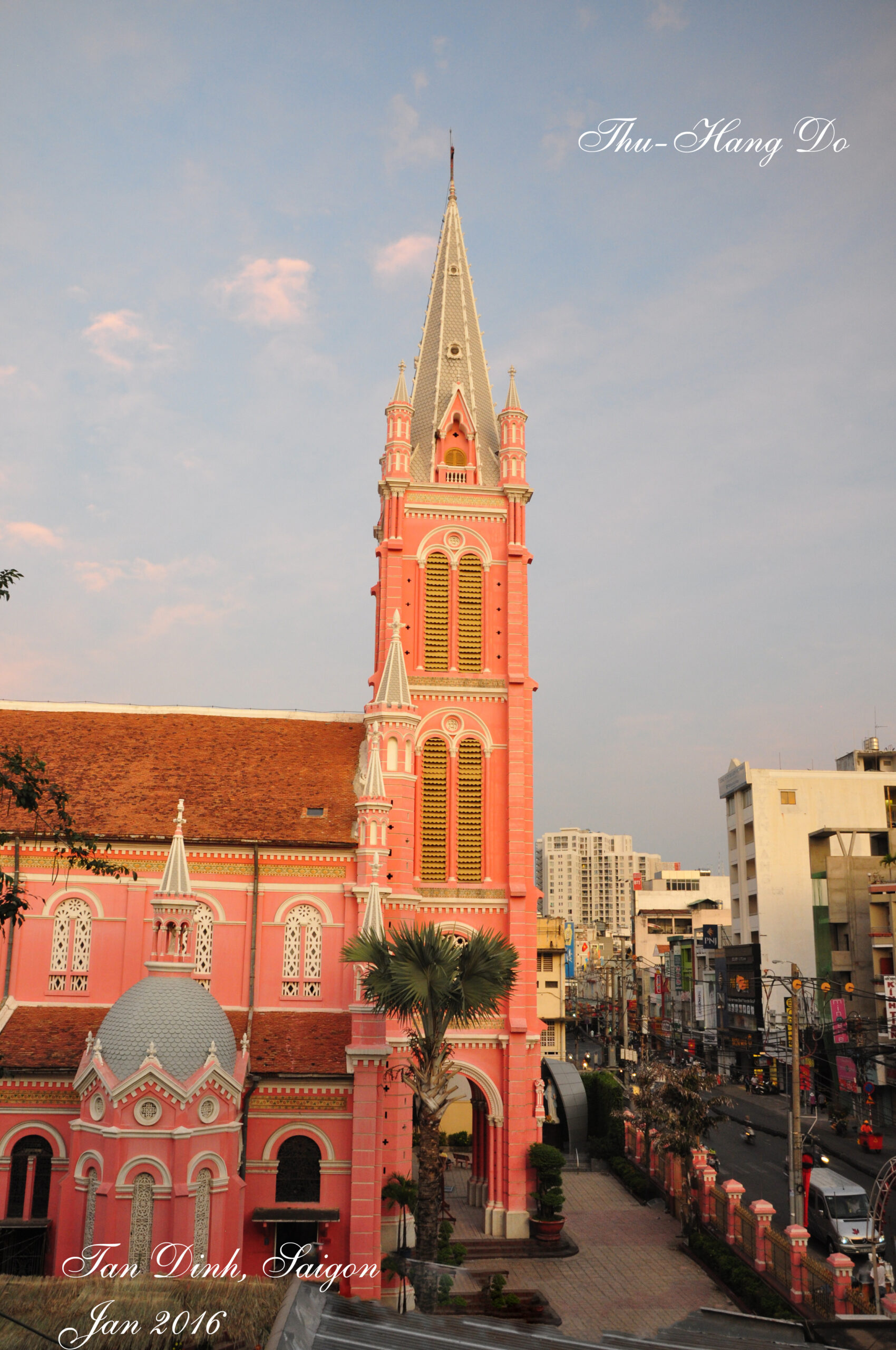
289 Hai Ba Trung. Built 1876, repainted candy-pink in the 1950s, the Church of the Sacred Heart has become one of the most photographed buildings in Vietnam. Sunday mornings hum with mass; weekday afternoons are quiet enough for a long photograph. Free entry outside services. Pair with a bánh mì at Huynh Hoa down the road.
The pink is softer in person, almost rose-gold in late afternoon light. A traveller, Sasha K, wrote: “Kty Chin led us through a wonderful perfume making workshop. A beautiful way to spend a breezy afternoon in Ho Chi Minh City and we came away with bespoke perfume.” That breezy afternoon is the gap between the photograph and the experience — and it leads us to the last landmark on the map.
15. The Hidden Landmark — NOTE Perfume Workshop at Cafe Apartment & Thảo Điền
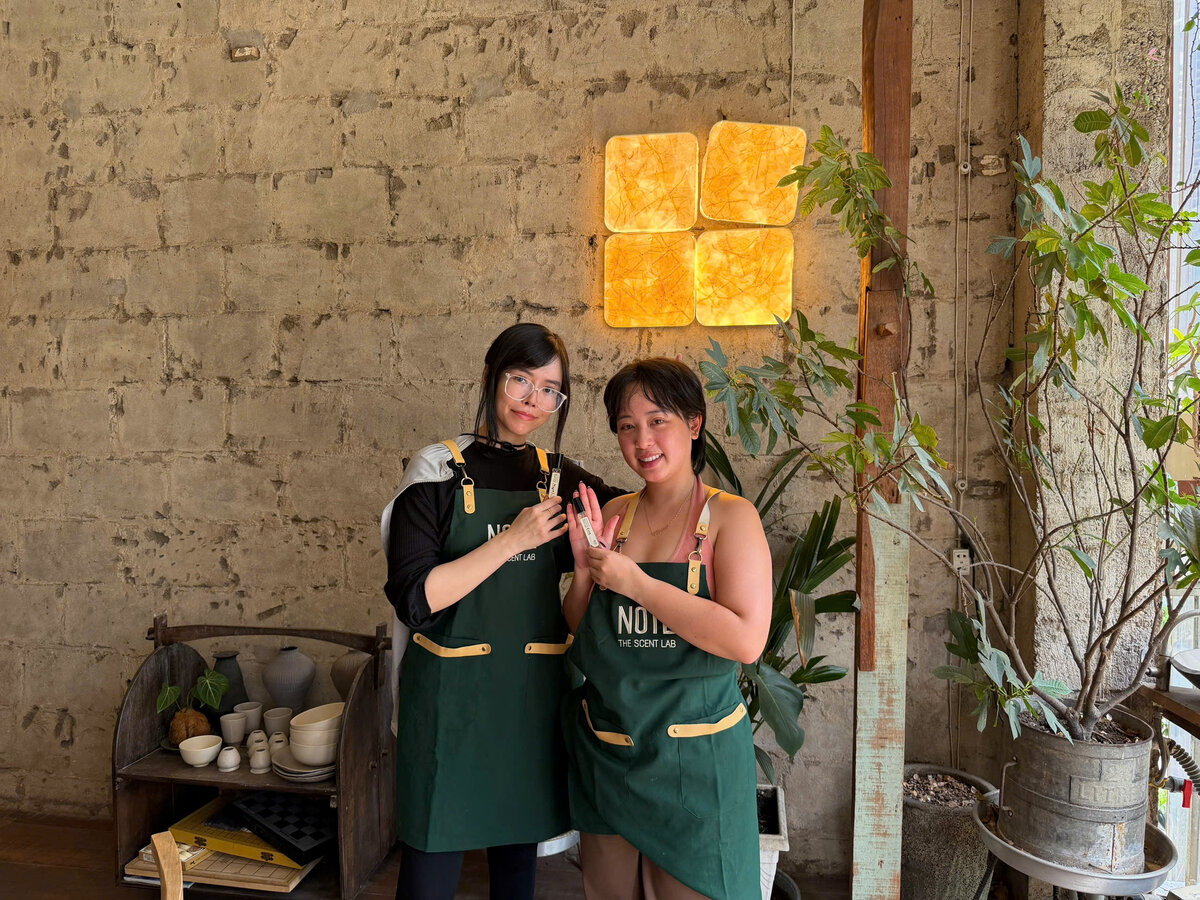
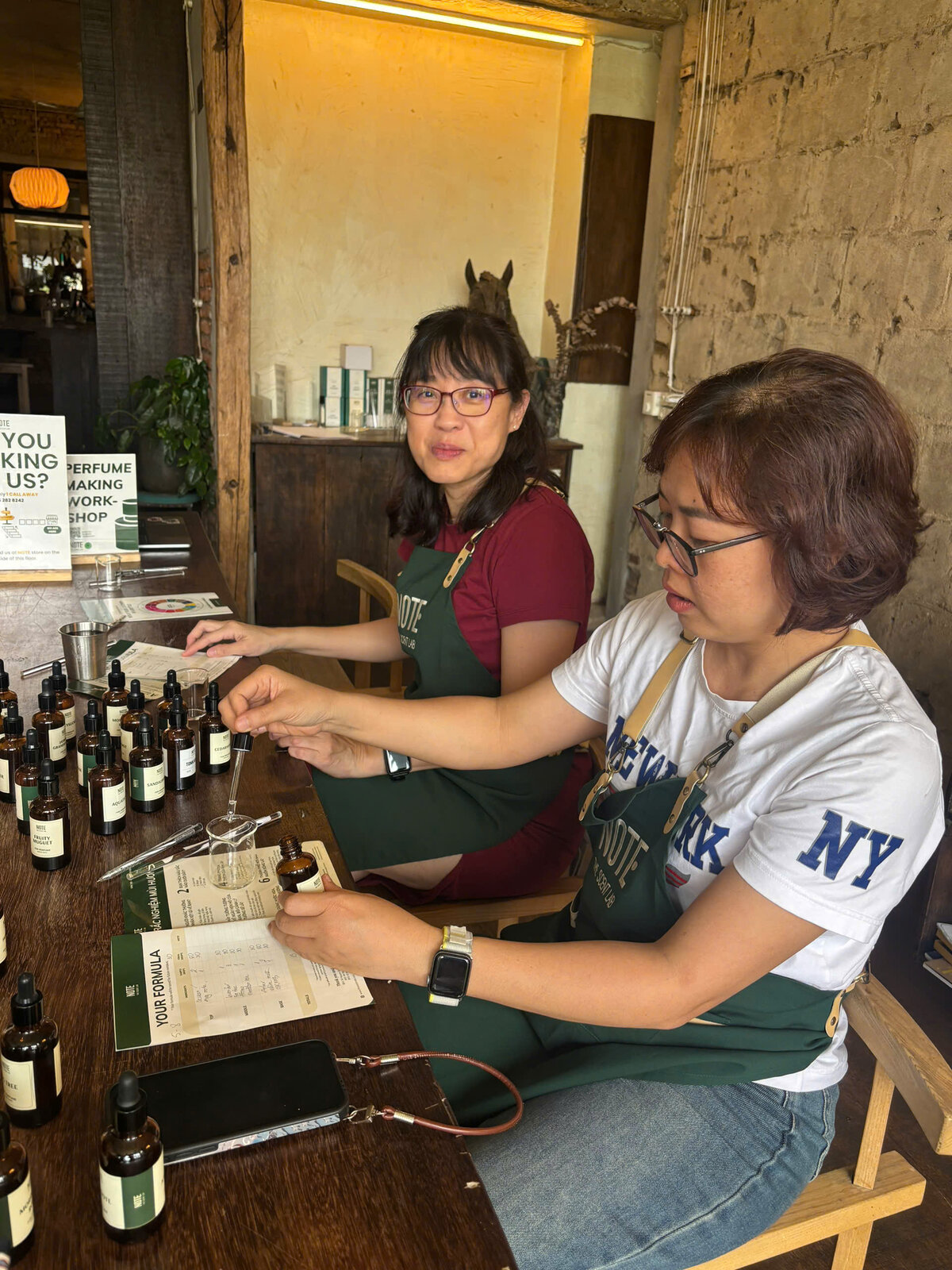
Back to landmark #6 — the floor most tourists walk right past. On the 2nd floor of 42 Nguyen Hue sits a small glass-fronted studio called NOTE – The Scent Lab. A second NOTE studio is in the riverside neighbourhood of Thảo Điền at 34 Nguyen Duy Hieu.
Why it earns a place on the landmark map
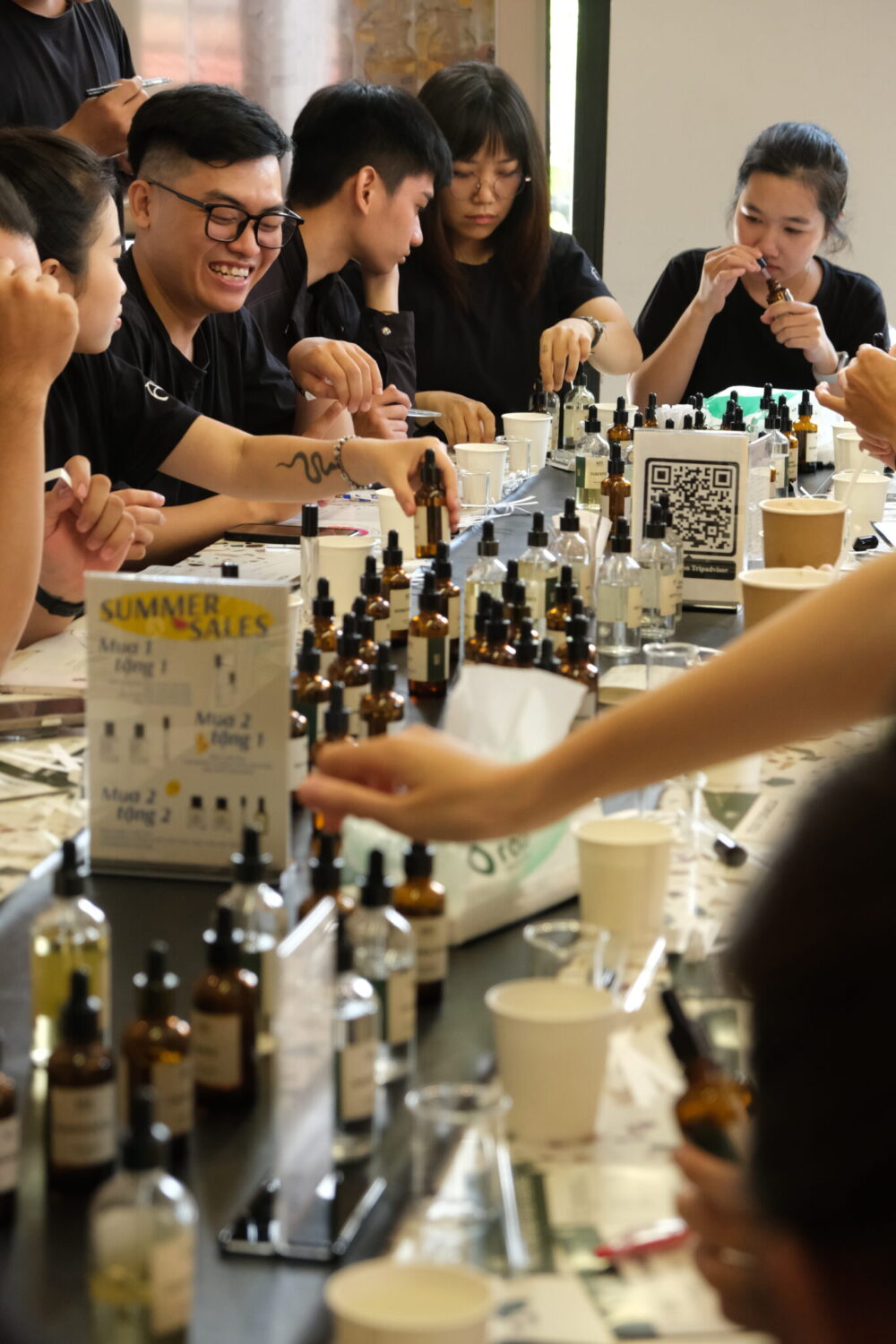
Most landmarks here are passive — you look, photograph, move on. NOTE is the one you walk out of carrying something the city helped you make: a 10/20/30/50ml bottle holding the morning’s bergamot, the afternoon’s sandalwood, a few drops of the temple visit. Ninety minutes; from.
What you actually make
An instructor — Linh on most Saturdays, Hà on tourist-heavy weekdays — walks you through thirty-plus IFRA-compliant ingredients, from bright citrus and florals like jasmine and rose to warm woods, cinnamon and amber. You smell, choose, blend, adjust. You leave with a bottle and a handwritten formula card. Children 8+ welcome with a parent.
Two more travellers describe the floor better than we can. Peter H wrote: “Cam our host was so awesome. I learnt so much about perfumery and more importantly had so much fun. Would recommend this to anyone as a great way to pause from the chaotic and overwhelming part of your holiday in Saigon.” And An L added: “Ember and Maria did an amazing job explaining the perfume wheel and how all the scents go together. This perfume will always remind us of this trip in Vietnam.”
Where to book
The studio is open daily. Most first-time visitors say afterwards they wish they had booked it for an earlier day in their trip — so they would have time to wear the perfume around the rest of the landmarks. Slots fill fastest in dry season (December to March).
A Suggested 3-Day Itinerary Across These Landmarks
Three days lets you move through the saigon top attractions without sprinting. This is the rhythm we suggest to first-time visitors at the NOTE studio.
Day 1 — District 1 walking cluster
Notre-Dame Cathedral (#1) → Central Post Office (#2) → Independence Palace (#3) → lunch near Ben Thanh (#5) → Nguyen Hue Walking Street (#7) → Opera House (#8) → sunset at Bitexco (#9) or Cafe Apartment rooftop (#13). For a slower route with map and timings, we keep a District 1 walking tour updated.
Day 2 — Temples, Chinatown, and the workshop
Jade Emperor Pagoda (#10) → Tan Dinh Pink Church (#14) → lunch in District 3 → Thien Hau Temple in Cho Lon (#11) → late afternoon at NOTE (#15) on the 2nd floor of Cafe Apartment, walking out with your bottle in time for dinner.
Day 3 — Day trip or slow Thảo Điền morning
Either Cu Chi Tunnels (#12) as a half-day, or — gentler — take metro line 1 across to Thảo Điền, walk the riverside, brunch on Nguyen Duy Hieu, then drop into the second NOTE studio at 34 Nguyen Duy Hieu. Most repeat visitors prefer this option. As Jenna wrote in an online review: “Cam was very hands-on and guided us every step of the way. A perfect experience if you’re looking for a relaxing and intentional activity in HCMC.”
For travellers who have already seen the icons once and want something rarer on a return trip, our 15 Unique Things to Do in HCM piece picks up where this landmark map ends. And for a glance back at last year’s 7 best places to visit in HCMC 2025, that shorter list remains a useful comparison.
Frequently Asked Questions
How safe is Saigon for first-time tourists?
Saigon is generally considered safe for tourists, with low rates of violent crime. The main concerns are petty issues like bag-snatching from passing motorbikes — carry your bag on the inside-arm and keep your phone tucked away near roads. Cross the street slowly and steadily; the traffic flows around you. Most visitors find the city less intimidating after a day or two.
Is District 1 walkable to see most attractions?
Yes. Most of the saigon top attractions — Notre-Dame, the Post Office, the Opera House, Nguyen Hue Walking Street, Ben Thanh Market, Cafe Apartment, Bitexco — fall within a 1.5 km radius. You can comfortably see them on foot in a day. For temples in District 3 and 5, use Grab.
Do I need a guide for the museums and palace?
Not strictly. The War Remnants Museum and Independence Palace both have English signage and self-guided audio options for a small fee. A local guide does add context for the Cu Chi Tunnels — many travellers prefer a half-day group tour for the journey out there rather than a private driver.
When is the best time to do a perfume workshop in Saigon?
Afternoons work well — most travellers prefer the 2pm or 4pm sessions after a morning of sightseeing. The workshop lasts about 120 minutes and ends in time for dinner on Nguyen Hue. Dry season (December–March) sees the highest demand, so book a day or two ahead.
Is Saigon better than Hanoi for first-time visitors?
Different rather than better. Saigon is louder, hotter, faster, more layered with French colonial architecture and modern energy. Hanoi is older, slower, cooler in winter, with a stronger sense of imperial history. Most first-time tourists who have two weeks visit both. If you only have a few days, Saigon is the easier landing strip — and the landmarks on this map are denser than Hanoi’s.
How much cash should I carry per day?
Around 500,000–800,000 VND in cash per day covers entrance fees, lunch, coffee, and small market purchases. Most cafés, restaurants, and the workshop accept card and QR payments. ATMs are widely available — Vietcombank and Techcombank have the most foreigner-friendly machines.
Can I take home a meaningful souvenir from these landmarks?
The best souvenirs from Saigon tend to be made, not bought. A custom perfume from a workshop, lacquerware from Ben Thanh, a handwritten postcard from the Central Post Office. If you would prefer a ready-made bottle to take home, you can browse NOTE’s handcrafted fragrance collection from their sister shop online.
One traveller, T13 herbaljo, captured it well: “I loved my fragrance making experience. I have a beautiful souvenir to take home and every time I smell it, I will remember Saigon.”
Find NOTE – The Scent Lab
- 42 Nguyễn Huệ (Cafe Apartment, 2nd floor), District 1 — Get directions → · TripAdvisor
- 34 Nguyễn Duy Hiệu, Thảo Điền — Get directions → · TripAdvisor
How to find us:
- 📍 42 Nguyễn Huệ — Watch direction video on TikTok →
- 📍 34 Nguyễn Duy Hiệu — Watch direction video on YouTube →
Information in this article was accurate at the time of writing. Opening hours, prices, and availability may change — we recommend double-checking with official sources before your visit.