
Not only known as the city’s historic Chinatown, Cho Lon is also one of the top places in Saigon for travelers seeking culture, cuisine, and architecture. Here, you’ll find bustling markets, centuries-old temples, and layers of authentic local life woven into the heart of Ho Chi Minh City.
History and Transformation
Once known as District 5, the area now called Cho Lon has always been more than just a neighborhood; it’s a living chronicle of migration, trade, and resilience. In July 2025, the district was officially reorganized into new wards, including Cho Lon Ward, An Dong Ward, and Cho Quan Ward, as part of a government restructuring plan. Yet for generations of locals and travelers exploring the top places in Saigon, the name “Chợ Lớn” remains inseparable from the idea of Saigon’s Chinatown, where the heart of the city’s multicultural heritage still beats strongest.
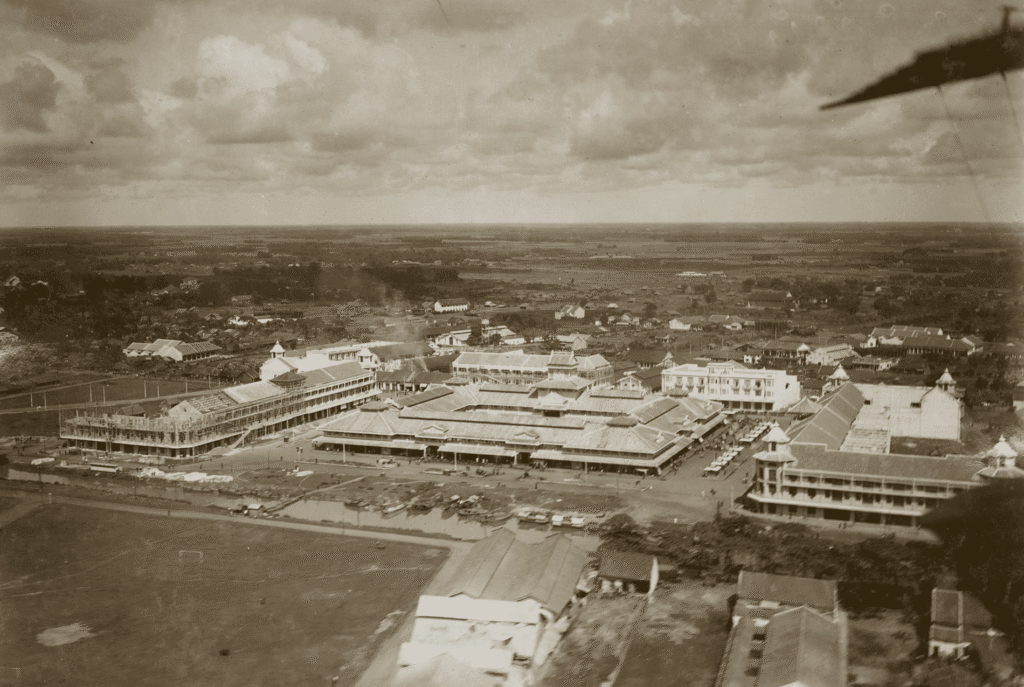
Cho Lon’s origins date back to around the 18th century, when waves of Chinese immigrants, mainly from Guangdong and Fujian, migrated to southern Vietnam. They settled along the Ben Nghe River, bringing with them not only goods to trade but also their languages, festivals, architecture, and cuisine. Over the centuries, Cho Lon evolved into one of the largest and most vibrant Chinatowns in Southeast Asia, blending Chinese and Vietnamese cultures in ways both visible and intangible.
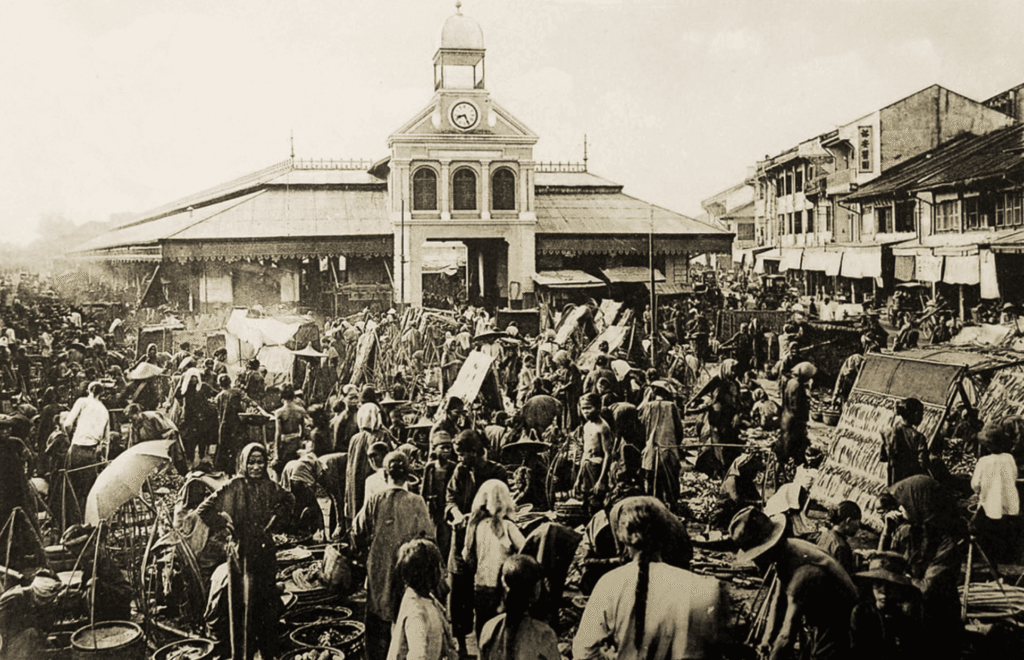
Top Highlights of Cho Lon
Bình Tây Market:
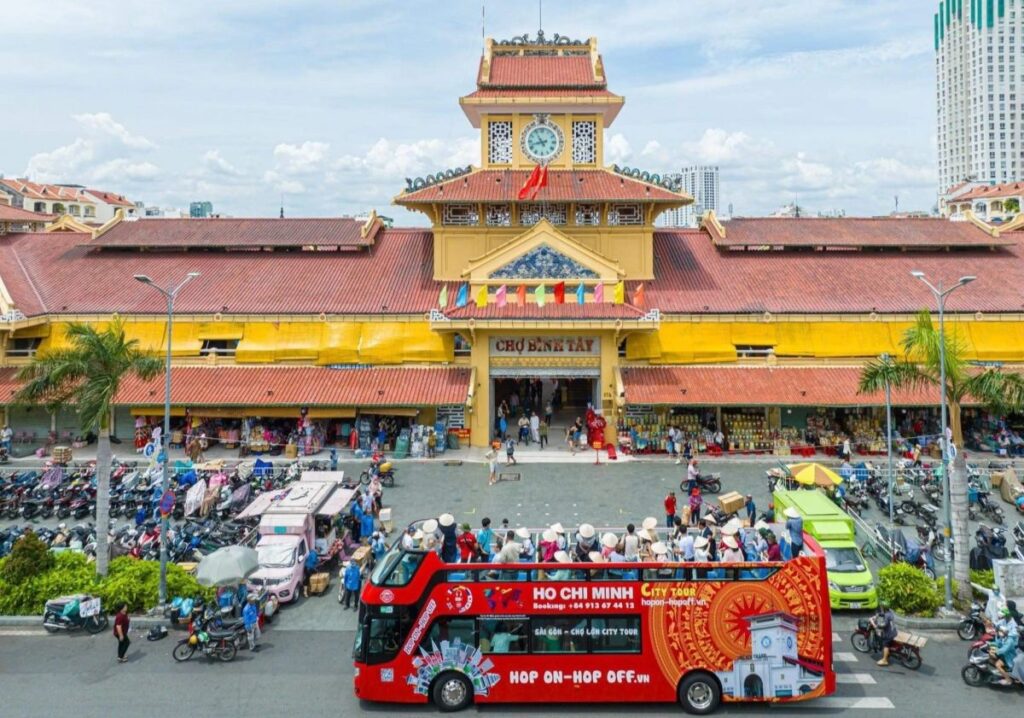
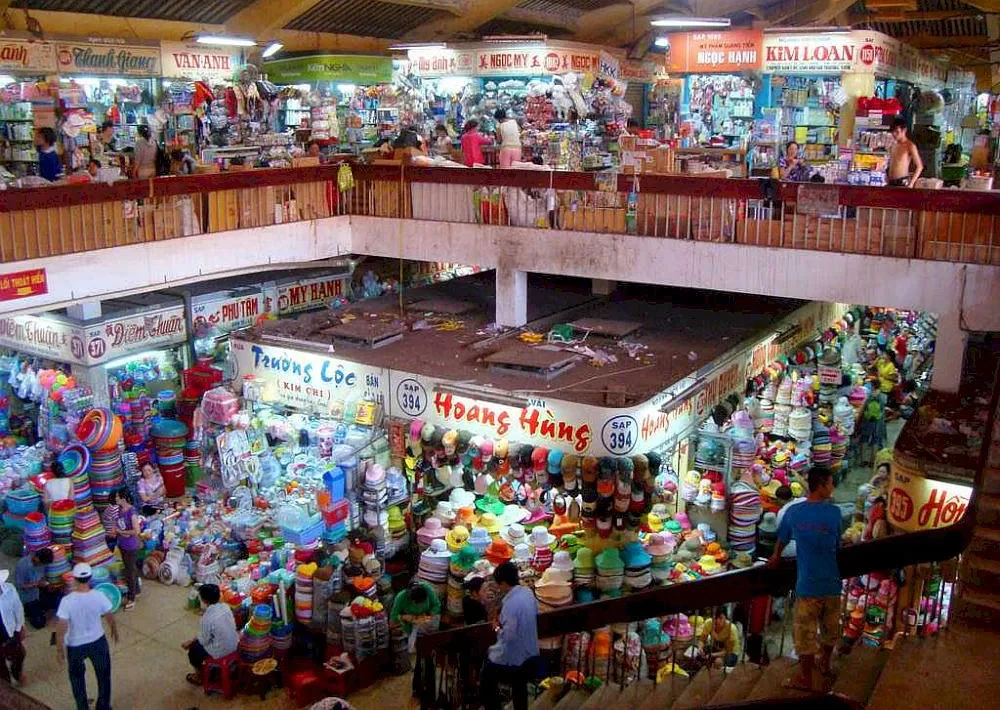
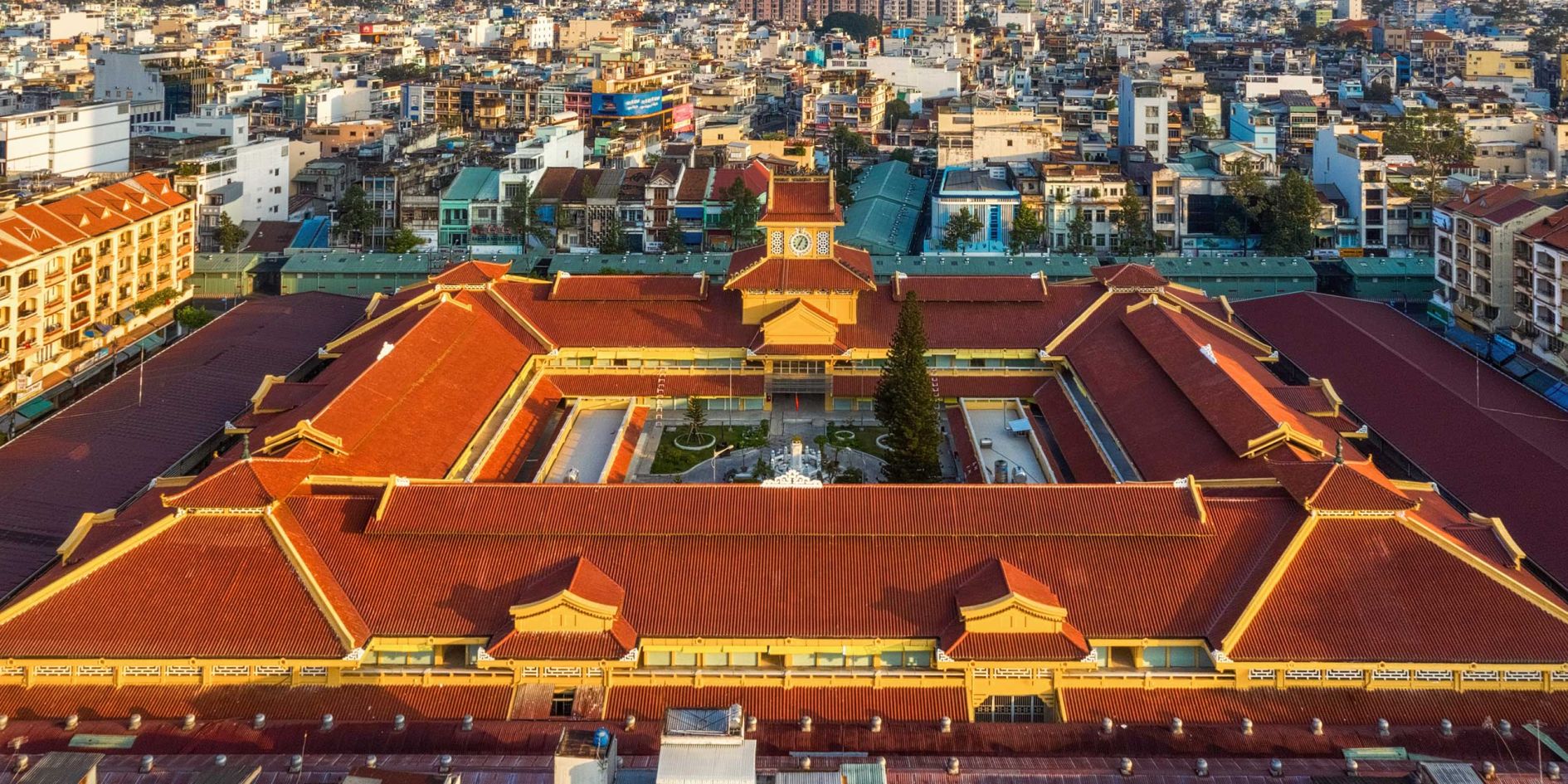
Built in the 1920s by a Chinese merchant, Bình Tây Market serves as the commercial heart of Cho Lon. Unlike Ben Thanh Market, which caters largely to tourists, Bình Tây is where locals come to shop for wholesale goods, from spices and tea to dried fruits and ceramics. Its blend of French colonial and Chinese architectural elements makes it a must-see for anyone exploring the top places in Saigon.
Find it on Google Maps: Chợ Bình Tây
Hào Sĩ Phường Alley:
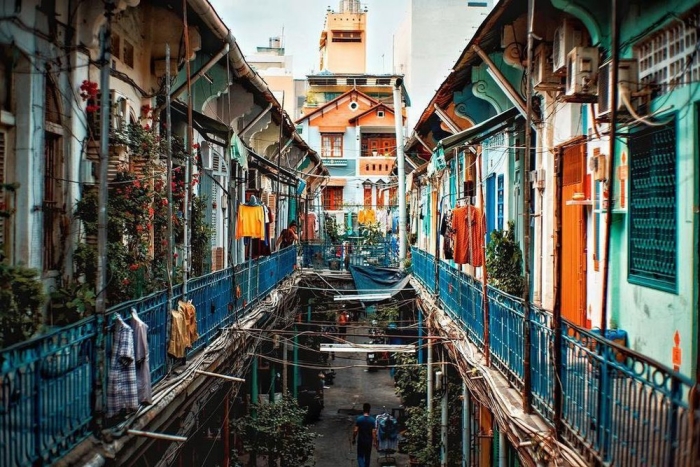
This century-old alleyway is one of Cho Lon’s most photogenic corners. Once home to Chinese laborers, its colorful apartment facades, tight staircases, and communal courtyards evoke a slower pace of life. Laundry lines crisscross above, coffee cups clink below, and red lanterns sway gently in the wind – capturing the poetic intimacy of old Saigon.
Find it on Google Maps: Hào Sĩ Phường
Lantern Street (Lương Nhữ Học Street):
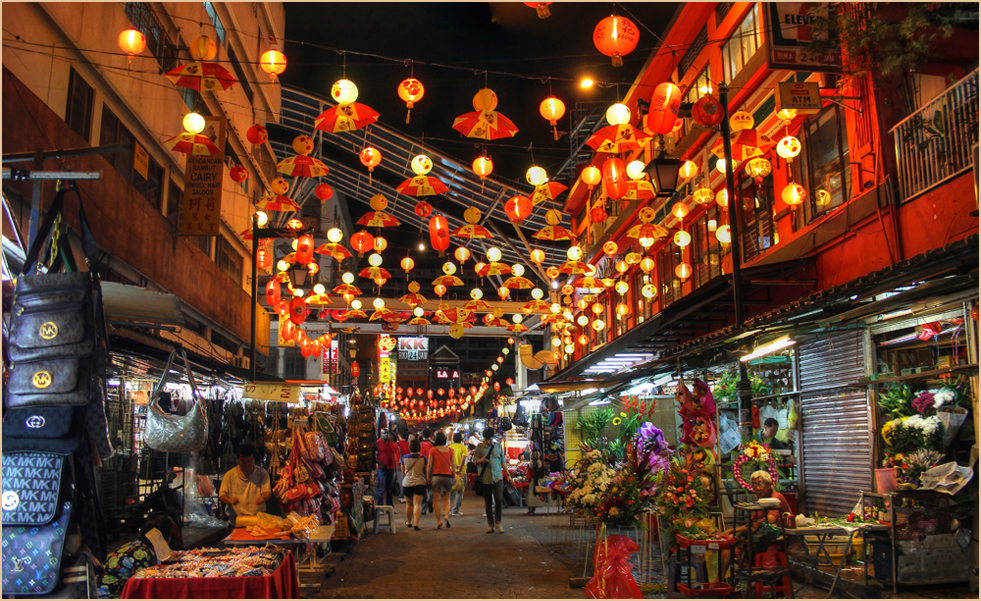
This street becomes a glowing wonderland during the Mid-Autumn Festival, lined with thousands of handmade lanterns and paper masks. Visiting in September offers a magical experience, when families, photographers, and children fill the street with laughter and light, that earns it a place among the top places in Saigon for seasonal charm.
Find it on Google Maps: Phố Lồng Đèn Lương Nhữ Học
Cha Tam Church:
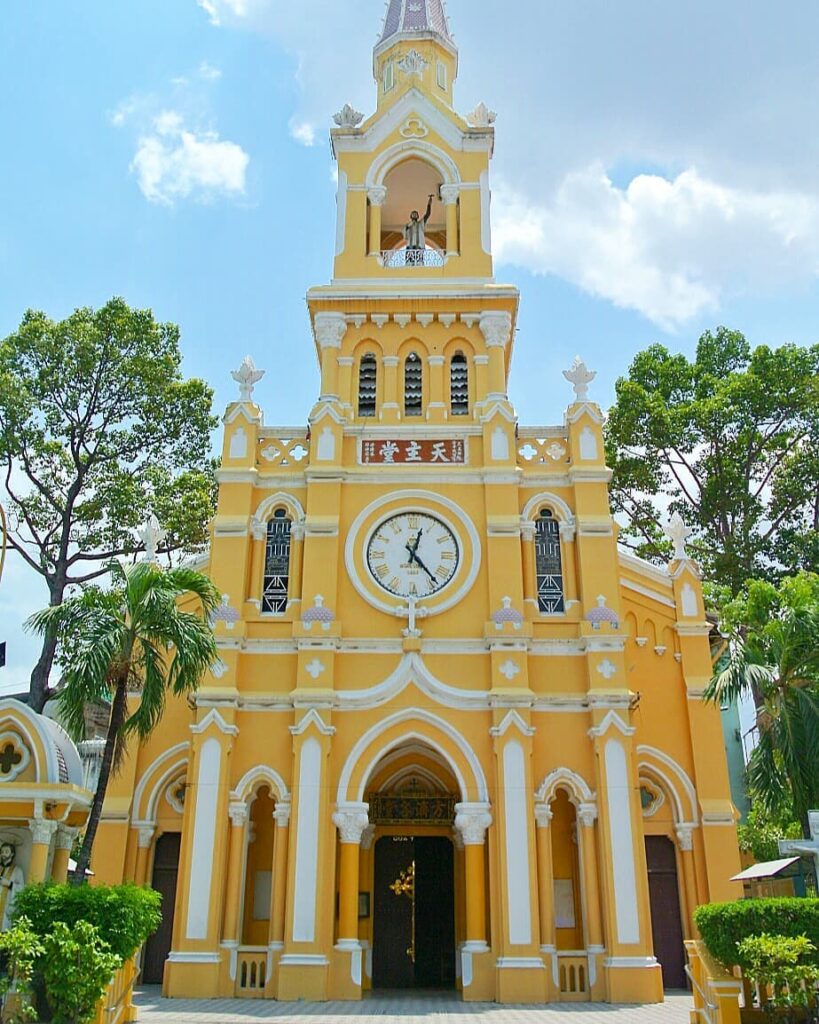
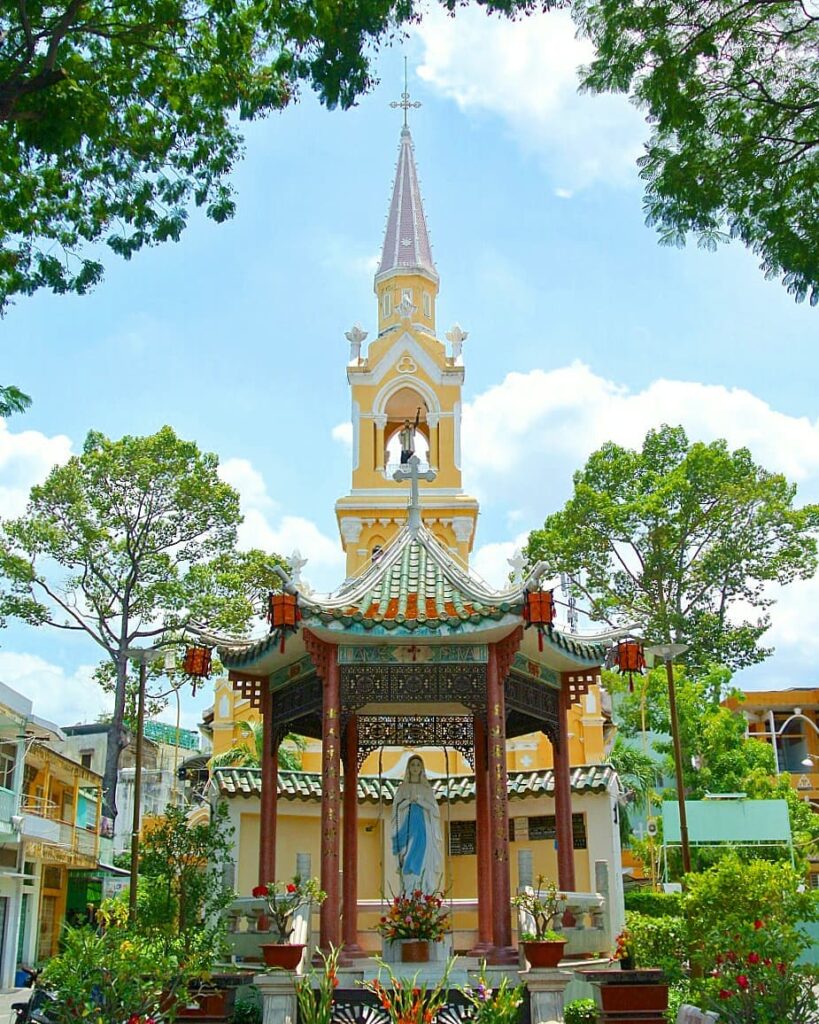
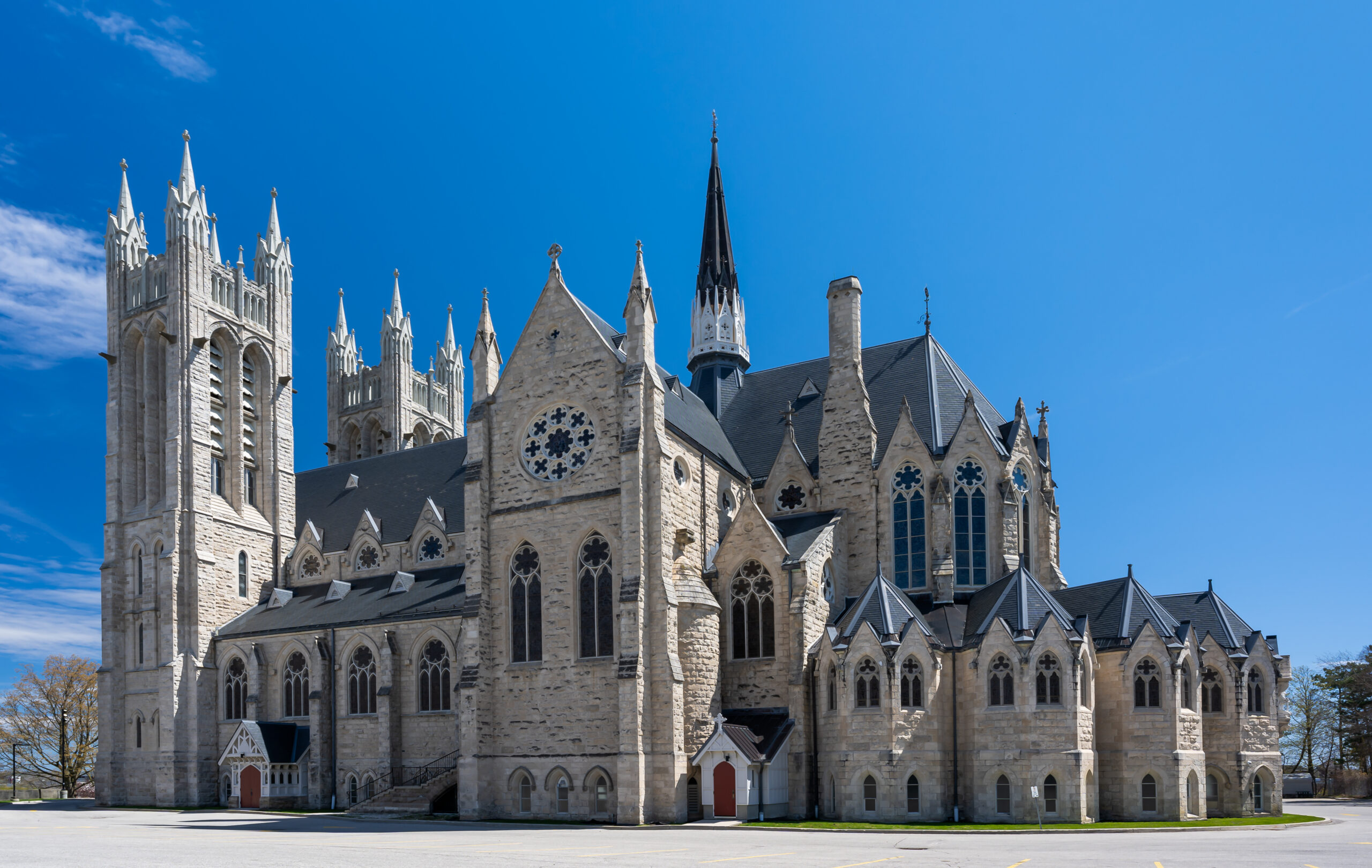
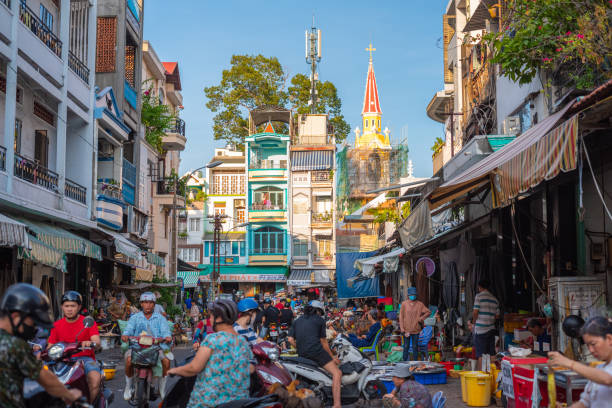
Also known as St. Francis Xavier Church, this Gothic-style building is one of Cho Lon’s rare Catholic landmarks. Its historical significance is somber — it was here that Ngo Dinh Diem and his brother sought refuge before the 1963 coup.
Find on Google Maps: Nhà Thờ Cha Tam.
Chợ Lớn Mosque:
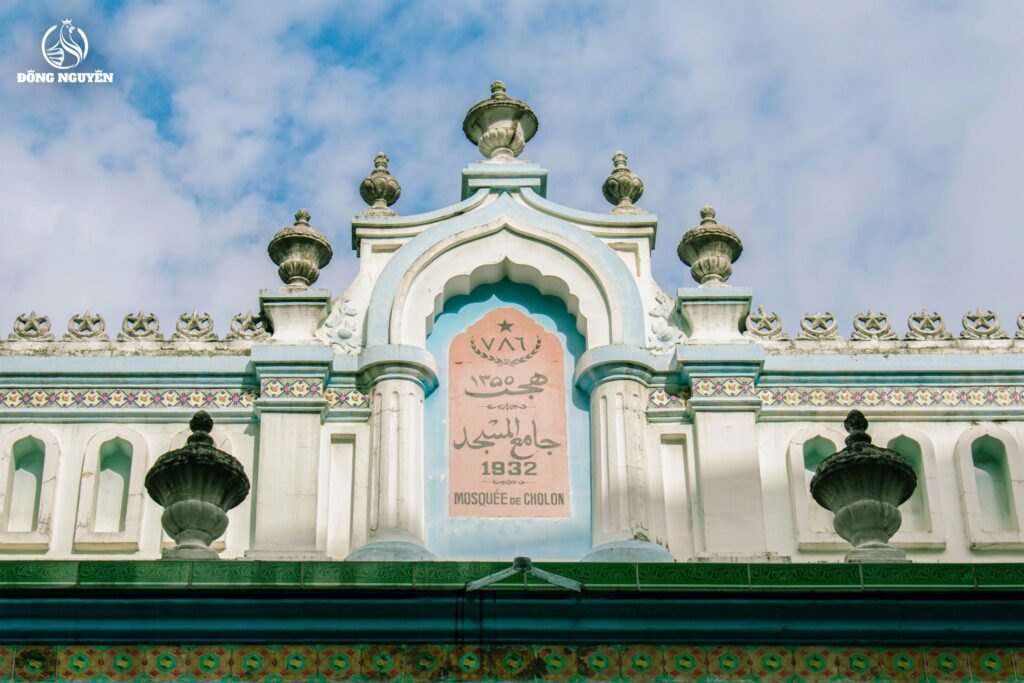
Built in 1932, the mosque serves primarily the Malaysian and Indonesian Muslim communities of the city. Its simple turquoise architecture and quiet courtyard offer a moment of calm amid the neighborhood’s bustle — a testament to Cho Lon’s enduring religious diversity.
Find on Google Maps: Cholon Jamial Mosque
Đồng Khánh (Soái Kình Lâm) Market:
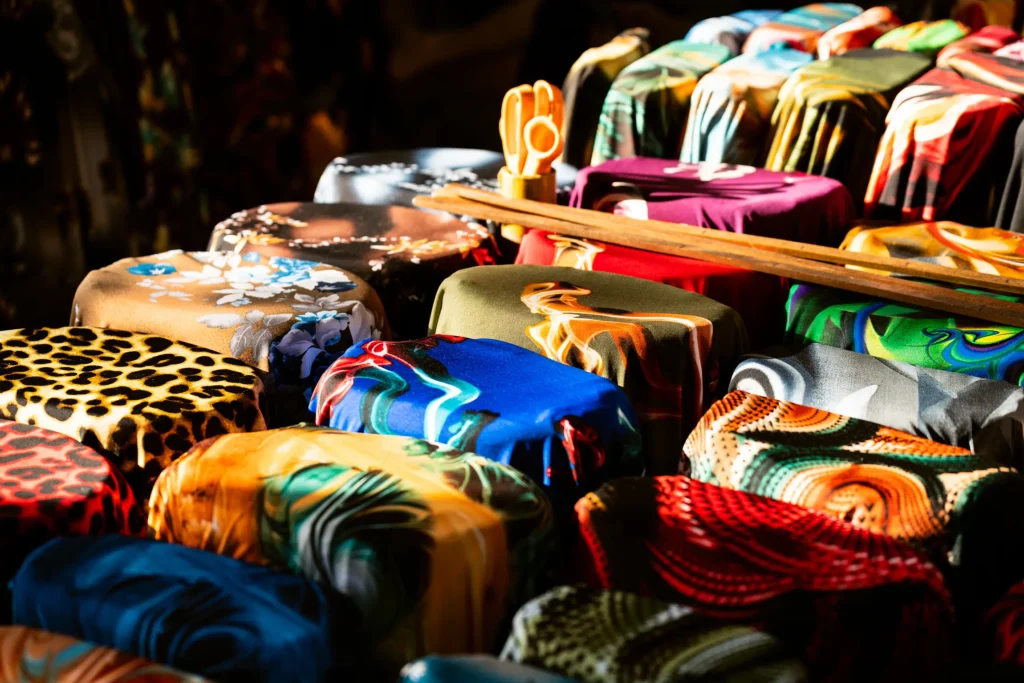
Đồng Khánh is one of the biggest wholesale fabric markets in Saigon, boasting over three decades of trading history. Locals dearly call this place Soái Kình Lâm Market, named after the famous restaurant nearby. Here, you can find every kind of fabric imaginable, from high-quality embroidered silk to the most quirky designs like Pikachu (yes!) motif silk, making it the perfect place for your custom áo dài. Promise you won’t find these unique fabrics in any other tourist place. This market is strictly a local secret, giving your finds that exclusive touch that will absolutely make other travelers envious!
Find it on Google Maps: Thương xá Đồng Khánh.
Food and Culinary Experience
To explore Cho Lon is to embark on a culinary pilgrimage. The district is a feast for the senses, where Chinese, Vietnamese, and hybrid cuisines coexist in delicious harmony. Street stalls and humble eateries serve everything from dim sum, Teochew porridge, and wonton noodles to braised duck, herbal soups, and sweet desserts made from lotus seeds or mung beans.
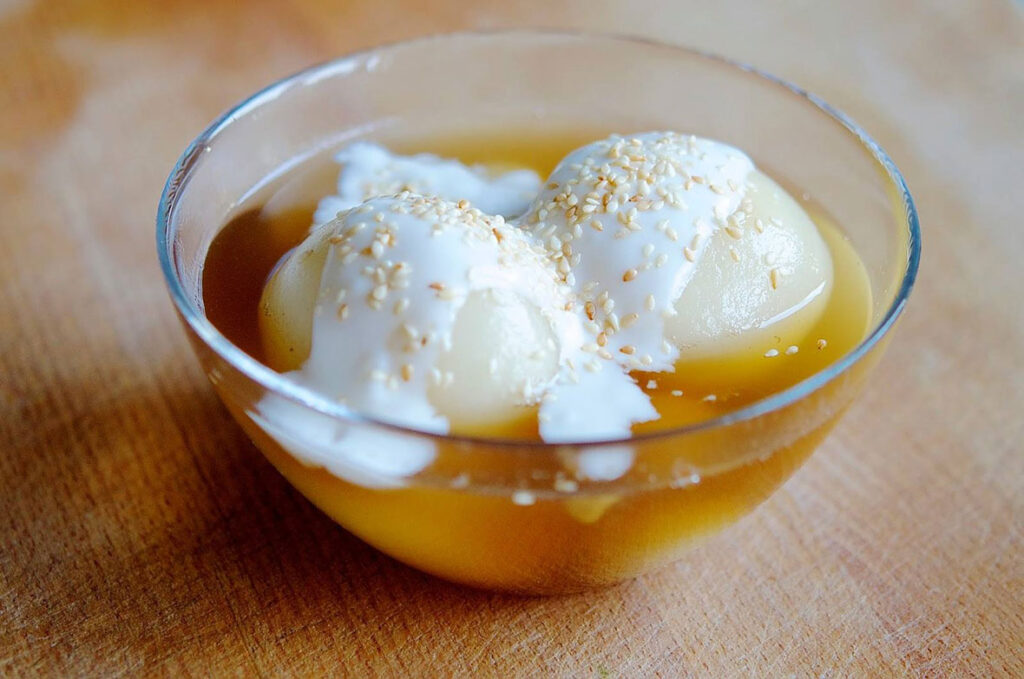
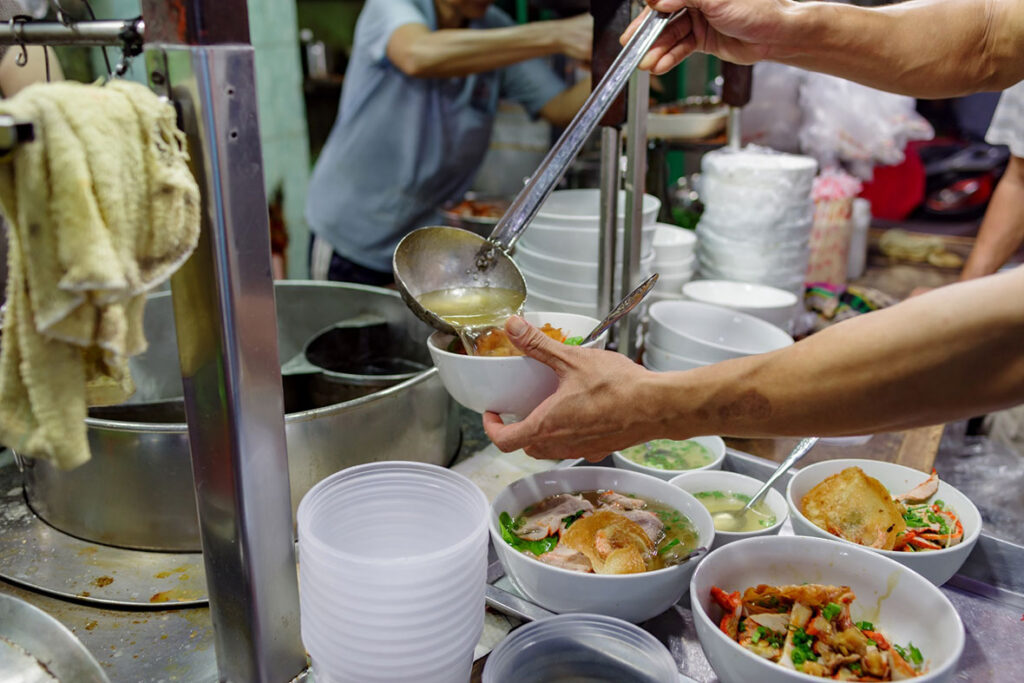
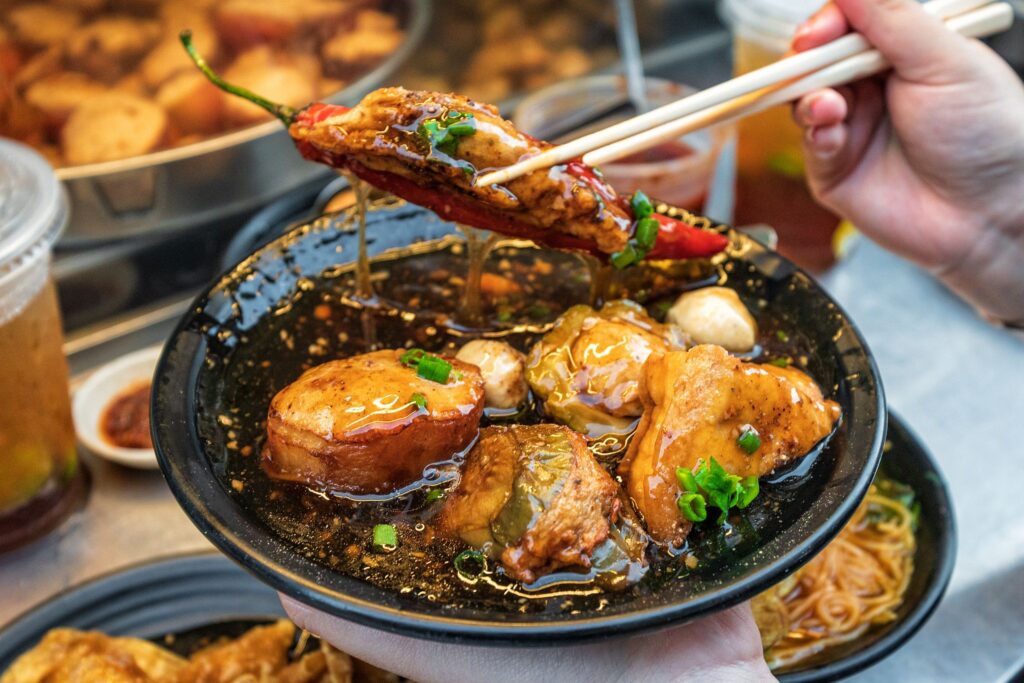
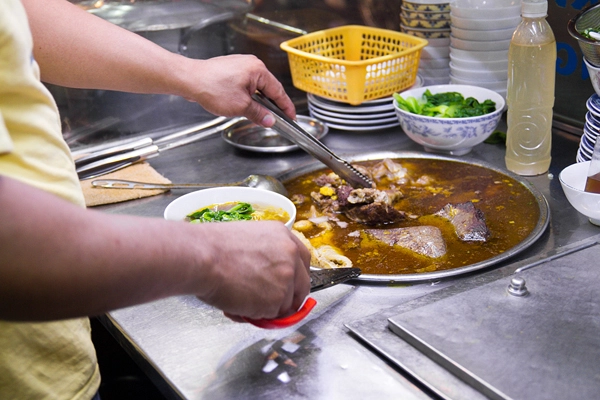
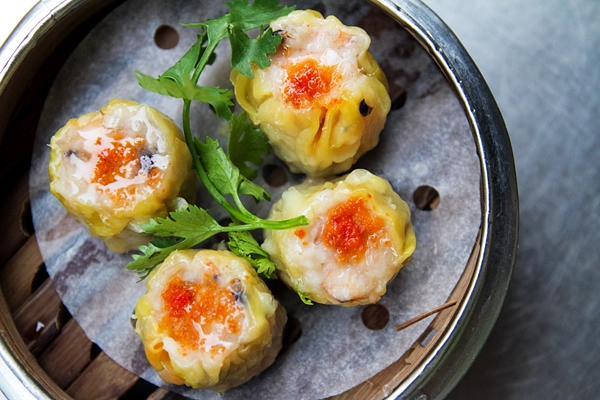
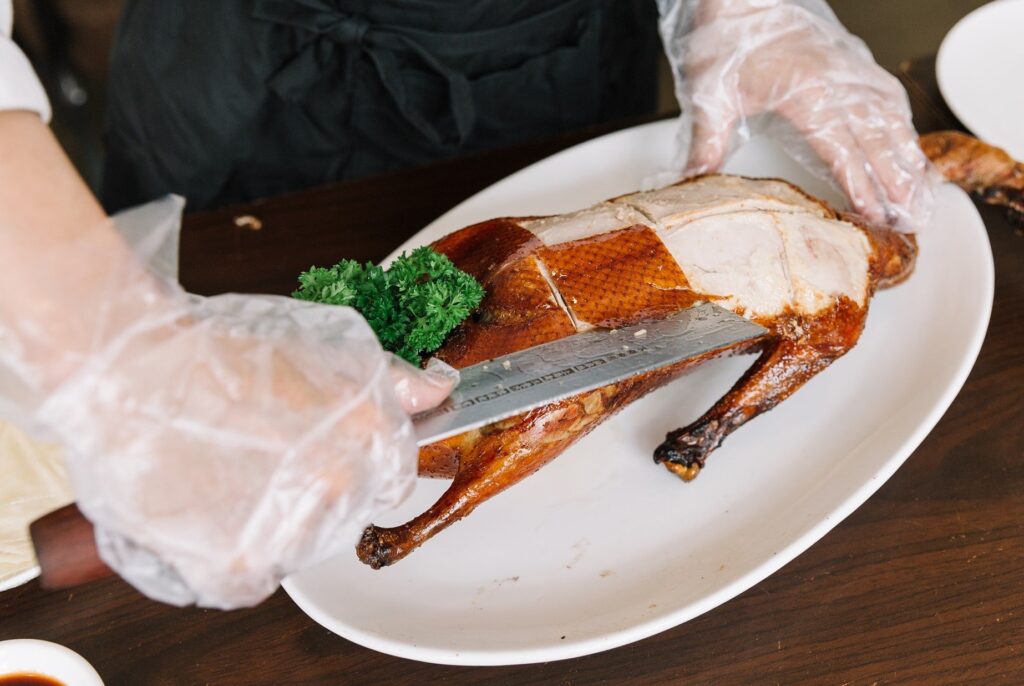
Local favorites include Fish Noodle Soup, Chili Paste Noodle Soup, and Teochew-style Stewed Duck, each infused with family recipes passed down through generations. Don’t miss Châu Văn Liêm Street for an after-meal treat — a beloved spot for traditional Chinese sweets, grass jelly drinks, and refreshing herbal teas.
Here, food becomes a cultural bridge, carrying the memories and soul of the community through generations.
Why Cho Lon is One of the Top Places in Saigon
Walking through Cho Lon feels like stepping into a world where history lingers in every tile and timber beam. Traditional Chinese shophouses line the streets, their facades adorned with faded calligraphy, wooden shutters, and red paper charms symbolizing luck and prosperity. Many date back to the late 19th and early 20th centuries, when artisans and traders built multi-story homes that served both as living quarters and storefronts.
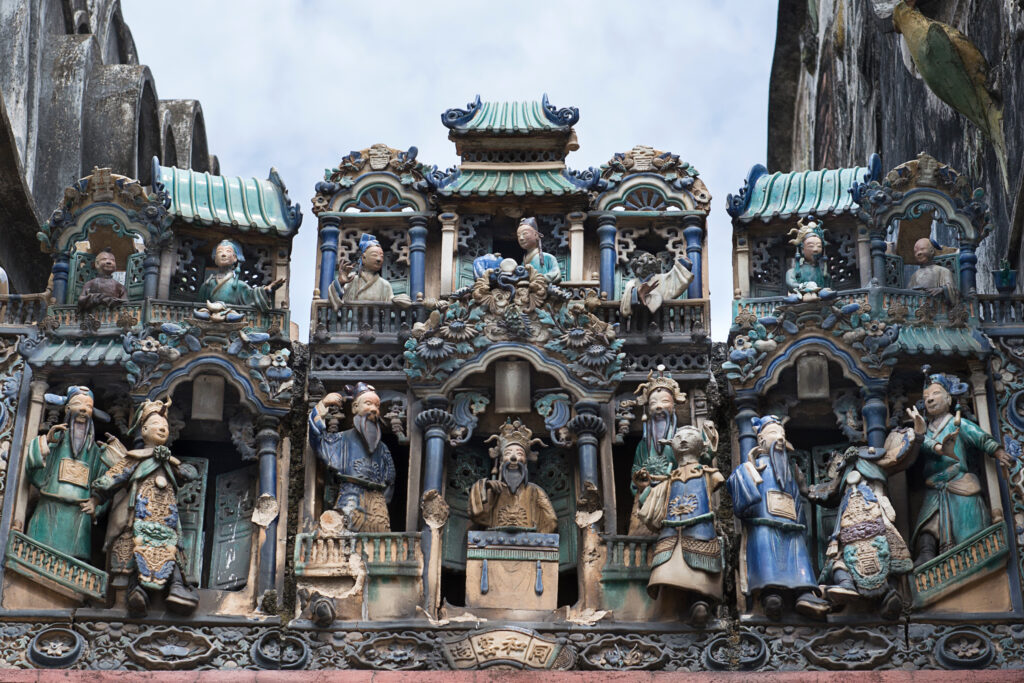
Unlike the sleek avenues of District 1, the charm of Cho Lon lies in its labyrinth of narrow lanes and bustling arcades; a sensory overload of sights, sounds, and smells. The aroma of herbal medicines, roast duck, and freshly steamed buns drifts through the air, mingling with the scent of incense wafting from ornate pagodas. The hum of conversation alternates between Vietnamese, Cantonese, and Teochew, echoing the neighborhood’s layered history.
The area’s spiritual landmarks are equally mesmerizing, each telling their own story of faith and community, reflecting the remarkable religious harmony that has always characterized Cho Lon.
A Living Chronicle of Saigon
More than a tourist destination, Cho Lon is a living heritage — one of the top places in Saigon precisely because it embodies the city’s layered identity. It is a testament to the resilience of migrant communities, the endurance of tradition amid modernity, and the shared humanity that binds different faiths and cultures together.
In a rapidly changing metropolis, Cho Lon remains a compass of memory, a place of diverse scents, sounds, and stories, where history breathes, cultures blend, and Saigon’s true heart continues to pulse.
Want to learn more about different destinations and diverse stories of Saigon? Read: 7 Best Places to Visit in Ho Chi Minh City in 2025.
Frequently Asked Questions
1. Why is Cho Lon a top place to visit in Saigon?
2. When did Cho Lon originate?
3. What are the main cultural highlights?
4. Where can I find unique local fabrics?
5. What kind of food can I find in Cho Lon?