
Looking for hidden gems Da Nang? Hidden gems in Da Nang go far beyond the Golden Bridge selfie — from sunrise langur-spotting on Son Tra Peninsula to stone artisans carving beneath the Marble Mountains, this central Vietnam city rewards travelers who look past the obvious. NOTE – The Scent Lab is a perfume workshop in Saigon and Hanoi, Vietnam (rated 4.9 stars from 500+ reviews), and many of our guests arrive fresh from Da Nang — still carrying the salt air in their hair, still thinking about what they just discovered.
The ocean hits you before you see it. Not the water itself, but the smell — warm brine tangled with charcoal smoke from a banh xeo stall somewhere behind you, frangipani from a temple courtyard above. Da Nang at 5AM is a different city entirely. The beach belongs to the aunties in wide-brimmed hats, the fishermen pulling nets, the motorbike riders heading nowhere in particular. This is the Da Nang that most visitors never find. They come for the Golden Bridge, the Instagram shot, the resort buffet. They leave thinking they saw everything.
They didn’t.
hidden gems Da Nang: 1. Son Tra Peninsula — The Best Hidden Gem in Da Nang at Sunrise
Most travelers see Son Tra — Monkey Mountain — on a map and think: day trip, maybe. Then the resort pool wins. That is a mistake. The peninsula road at dawn is one of the most underrated drives in all of Southeast Asia. The asphalt curves through primary forest, and if you cut your engine at the right pullover, you might hear the red-shanked douc langurs before you see them — a rustle, a branch cracking, then suddenly a face so improbably colourful it looks painted.
These langurs are endemic. They exist here and almost nowhere else. The Da Nang government has restricted development on the peninsula precisely to protect them, which means this corner of a booming city still feels genuinely wild. At the summit, a small pagoda sits in silence. Below, the coastline stretches from My Khe Beach to the distant silhouette of the Marble Mountains. The air smells like wet leaves and temple incense. If you remember only one secret place in Da Nang, make it this one.
Getting there: Rent a motorbike (100,000-150,000 VND/day) or hire a Grab car. Start before 5:30 AM. The road is safe but winding — go slow, eyes on the canopy.
2. My Khe Beach at 5AM — The Locals’ Morning Ritual
Guidebooks call My Khe one of the world’s most beautiful beaches. They are not wrong, but they forget to mention the best version of it. At five in the morning, before the sun climbs above the East Sea, My Khe belongs to Da Nang’s residents. Groups of women do aerobics in matching outfits on the sand. Men swim in their underwear, unbothered. Street vendors set up che carts and coffee stations that will vanish by 8 AM.
Walk south, past the tourist stretch, and you will find fishing boats dragged up on the sand, their hulls painted turquoise and red. The fishermen are mending nets or sorting the night’s catch — squid, mostly, small silver fish that will end up in bun cha ca bowls by lunchtime. No one asks you to buy anything. No one tries to take your photo. You are simply there, in the earliest hour of a city waking up, and it is — quietly — one of the most beautiful things you will see in Vietnam.
3. Han River Bridge Light Show — Fire on the Water
Da Nang’s bridges are an obsession. The city has six spanning the Han River, and locals argue about which is best the way people elsewhere argue about football. But on weekend nights, the argument ends. The Dragon Bridge breathes fire.
Not metaphorically. The 666-metre steel dragon that crosses the Han River literally spits flames and water from its mouth at 9 PM every Saturday and Sunday. Thousands gather along both riverbanks. Children sit on their fathers’ shoulders. Couples lean against motorbikes parked along Bach Dang Street. The whole thing lasts maybe fifteen minutes, but the atmosphere — part carnival, part civic pride, part just Da Nang being Da Nang — is something you will not find anywhere else in the country.
Tip: Stand on the east bank (Son Tra side) for the best view and fewer crowds. Arrive by 8:30 PM. After the show, walk south along the river promenade — the city skyline reflected in the water is worth the stroll alone.
4. Non Nuoc Stone Carving Village — Craft Beneath the Mountains
At the foot of the Marble Mountains, in a village most tourists drive past on their way to the caves, artisans have been carving marble and limestone for over four hundred years. The sound hits you first — a rhythmic chk-chk-chk of chisel on stone, steady as a heartbeat, echoing between workshops that spill onto the narrow road.
Non Nuoc village is not a museum. It is a working neighbourhood where families shape Buddha statues the size of cars, delicate incense holders, garden sculptures destined for hotels in Singapore and temples in Taiwan. The dust settles on everything — your arms, your camera lens, the banh mi cart at the corner. It smells like earth and effort. This is Vietnamese craftsmanship at its most raw: no air conditioning, no gift shop, just hands and stone and centuries of practice.
Da Nang’s craft tradition runs deep. From the marble carvers here to the silk weavers in nearby Hoi An, central Vietnam has always been a place where people make things with their hands. If that resonates — if you are the kind of traveler who values creating over consuming — a perfume workshop in Saigon might be the perfect next stop after Da Nang. But first, more secrets.
5. Ba Na Hills on a Weekday Morning — The Golden Bridge Without the Crowds
Yes, Ba Na Hills is on every Da Nang itinerary. No, it is not a hidden gem. But here is the secret that changes everything: go on a Tuesday morning in low season, and the Golden Bridge is almost empty. The giant stone hands hold you and maybe fifteen other people instead of fifteen hundred. The mountain air is cool — genuinely cool, a rarity in central Vietnam — and the French village at the summit, ridiculous as it is, becomes oddly peaceful when you are not being jostled by tour groups.
The cable car ride alone justifies the trip. At 5,801 metres, it held a world record, and looking down at the jungle canopy from that height is the closest most of us get to flying. Go early. Go midweek. See it before the buses arrive.
Timing: First cable car at 7:00 AM. Weekday mornings (Tuesday-Thursday) have the lightest traffic. Budget 4-5 hours. Entry: 900,000 VND (includes all rides).
6. An Thuong Night Street — Where Da Nang Actually Eats
If you are eating dinner near the beach hotels, you are eating in the wrong neighbourhood. An Thuong — a grid of streets running parallel to My Khe Beach — is where Da Nang’s young Vietnamese crowd goes after dark. Craft beer bars sit next to bun bo Hue stalls. Korean BBQ restaurants share walls with hole-in-the-wall banh trang cuon thit heo joints (Da Nang’s signature dish — rice paper wraps with pork and herbs that will ruin you for all other wraps forever).
The energy shifts block by block. One street is all fairy lights and cocktail menus; the next is plastic chairs and 15,000 VND beers. Nobody cares which one you choose. An Thuong does not perform for tourists — it simply exists, nightly, and if you happen to wander in, so much the better.
7. Linh Ung Pagoda — The Lady Buddha and the Longest View
There are three Linh Ung Pagodas in Da Nang. The one you want stands on the Son Tra Peninsula, facing the sea, guarded by a 67-metre Lady Buddha — the tallest in Vietnam. Most visitors photograph the statue from the parking lot and leave. That is like visiting a cathedral and only looking at the door.
Walk past the statue. Enter the temple complex behind it. The gardens are immaculate, lined with bonsai trees and smaller Buddhist sculptures in various states of serene meditation. The monks here are real — this is an active place of worship, not a theme park. Remove your shoes. Lower your voice. Find the viewing platform behind the main hall. From there, you can see the entire Da Nang coastline, the Marble Mountains in the distance, and on clear mornings, the faint outline of Cu Lao Cham island on the horizon.
The incense smoke drifts through everything. If you have been to temples in Kyoto or Chiang Mai, this one carries that same quality of stillness — the kind that makes you slow down without being told to.
8. Cu Lao Cham Island — The Day Trip Everyone Skips
Hoi An gets the tourists. Cu Lao Cham, a UNESCO Biosphere Reserve just 15 kilometres offshore, gets the snorkelers, the silence, and the seafood that came out of the ocean an hour ago. Most Da Nang visitors do not even know this island group exists, which is precisely the point.
The boat from Cua Dai port (Hoi An side) takes about 20 minutes by speedboat. The coral reefs are recovering — Vietnam’s marine protection efforts are imperfect but genuine here — and the visibility on calm days reaches 15 metres. Above water, the main island has a fishing village, a small market selling dried seafood, and a handful of restaurants where you point at the tank and they cook whatever you chose.
Logistics: Book a day trip from Hoi An (not Da Nang — Hoi An is closer). Best months: March-August. Speedboat ~150,000 VND one way. Snorkeling gear rental available on the island.
9. Da Nang’s Little Korea — Pham Van Dong Food District
Da Nang has the largest Korean expat community in Vietnam outside of Ho Chi Minh City. Along Pham Van Dong and the surrounding streets, Korean signage outnumbers Vietnamese. Samgyeopsal restaurants grill through the evening haze. Convenience stores stock soju and kimchi ramen. Karaoke bars blast K-pop until the small hours.
This is not a “hidden gem” in the Instagram sense — no one is photographing the neon-lit gopchang joints. But for travelers interested in how cities actually work, in the layers of migration and culture that accumulate in a place, Da Nang’s Little Korea is fascinating. It tells you something important: this is not just a beach town. It is a city that people from across Asia have chosen to live in, and their presence has shaped the flavour — literally — of entire neighbourhoods.
10. Hai Van Pass by Motorbike — Vietnam’s Greatest Road
You have seen the photos. Maybe you watched Top Gear call it one of the world’s best coastal roads. None of that prepares you for the wind.
The Hai Van Pass climbs 500 metres above the sea between Da Nang and Hue, curving through 21 kilometres of switchbacks where the Truong Son mountains plunge into the East Sea. On one side, the cliffs drop away to surf and spray. On the other, jungle. The temperature changes as you climb — Da Nang’s heat gives way to something cooler, mistier, tinged with the green-wet smell of mountain forest. At the summit, a crumbling French bunker looks out over both sides of the pass, and on clear days the view stretches to Hue in one direction, Da Nang in the other.
Ride it yourself if you can. The feeling of a motorbike on this road — the lean into each curve, the ocean appearing and disappearing, the wind that pushes and then releases — is off the beaten path Da Nang at its most visceral. It is the kind of experience that no resort can package.
Safety: Rent an automatic scooter (150,000-200,000 VND/day). Go north to south (Da Nang to Hue direction) for better sea views. Start early morning. Do NOT ride in rain or heavy fog. Carry your passport and international driving permit.
From Coastal Views to Custom Scents — The Craft Souvenir You Didn’t Expect
Da Nang’s hidden side is really about craft — the stone carvers of Non Nuoc, the fishermen mending nets on My Khe, the monks tending bonsai at Linh Ung, the whole centuries-old tradition of making beautiful things by hand. Central Vietnam runs on this energy. It is in the soil.
Most travelers fly from Da Nang to Ho Chi Minh City. It is the natural route south. And in Saigon, that same craft energy takes a different form.
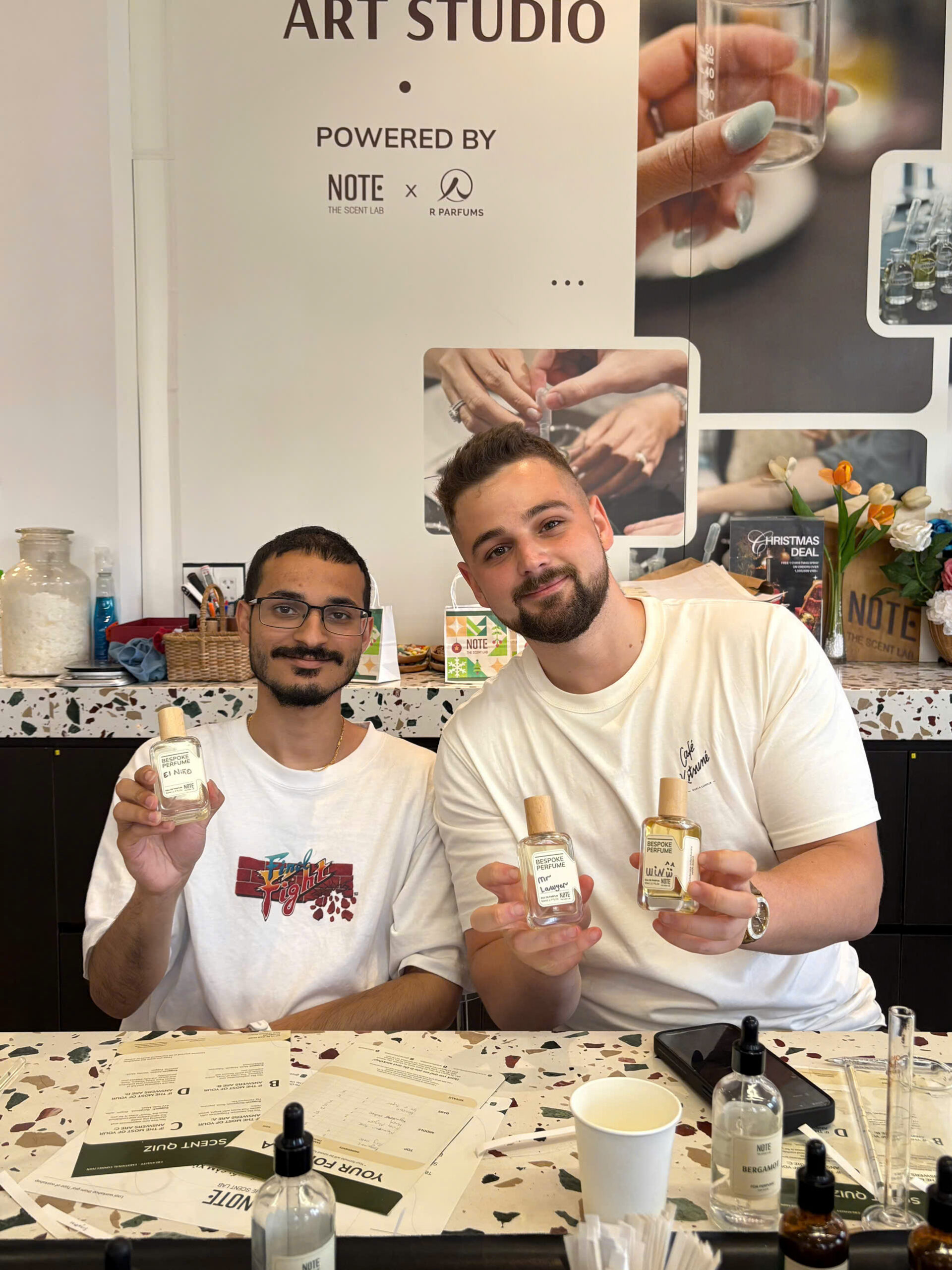
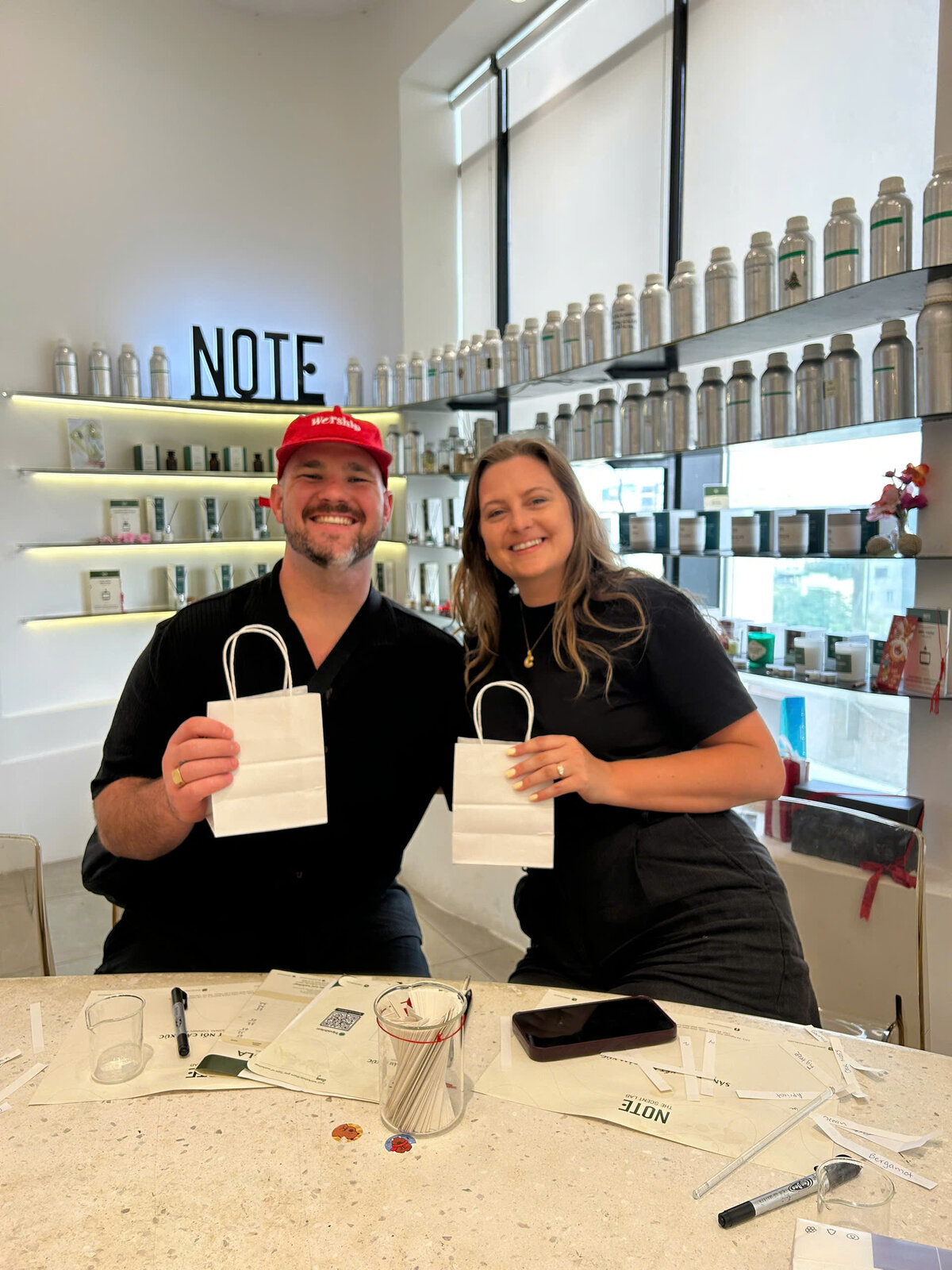
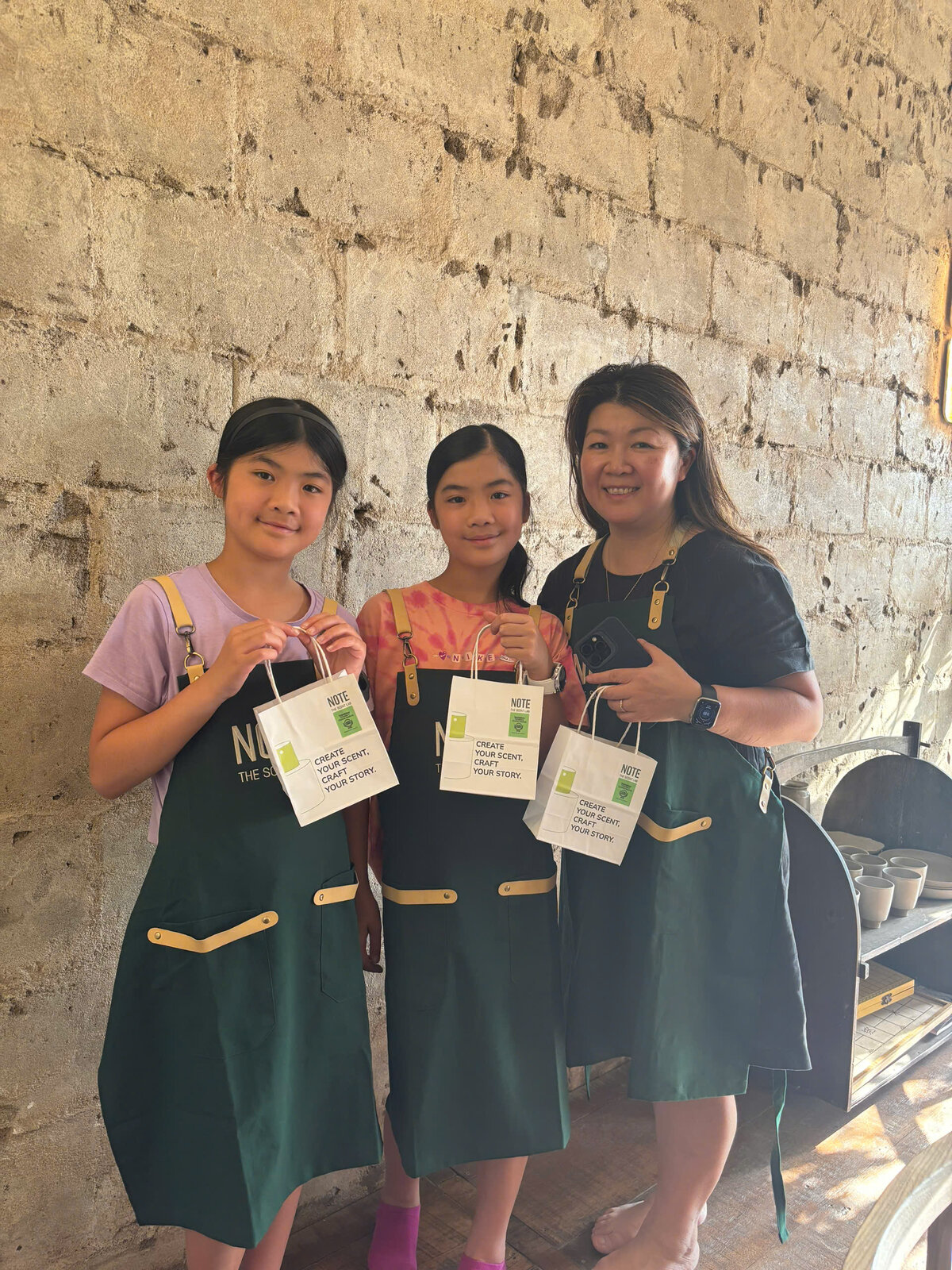
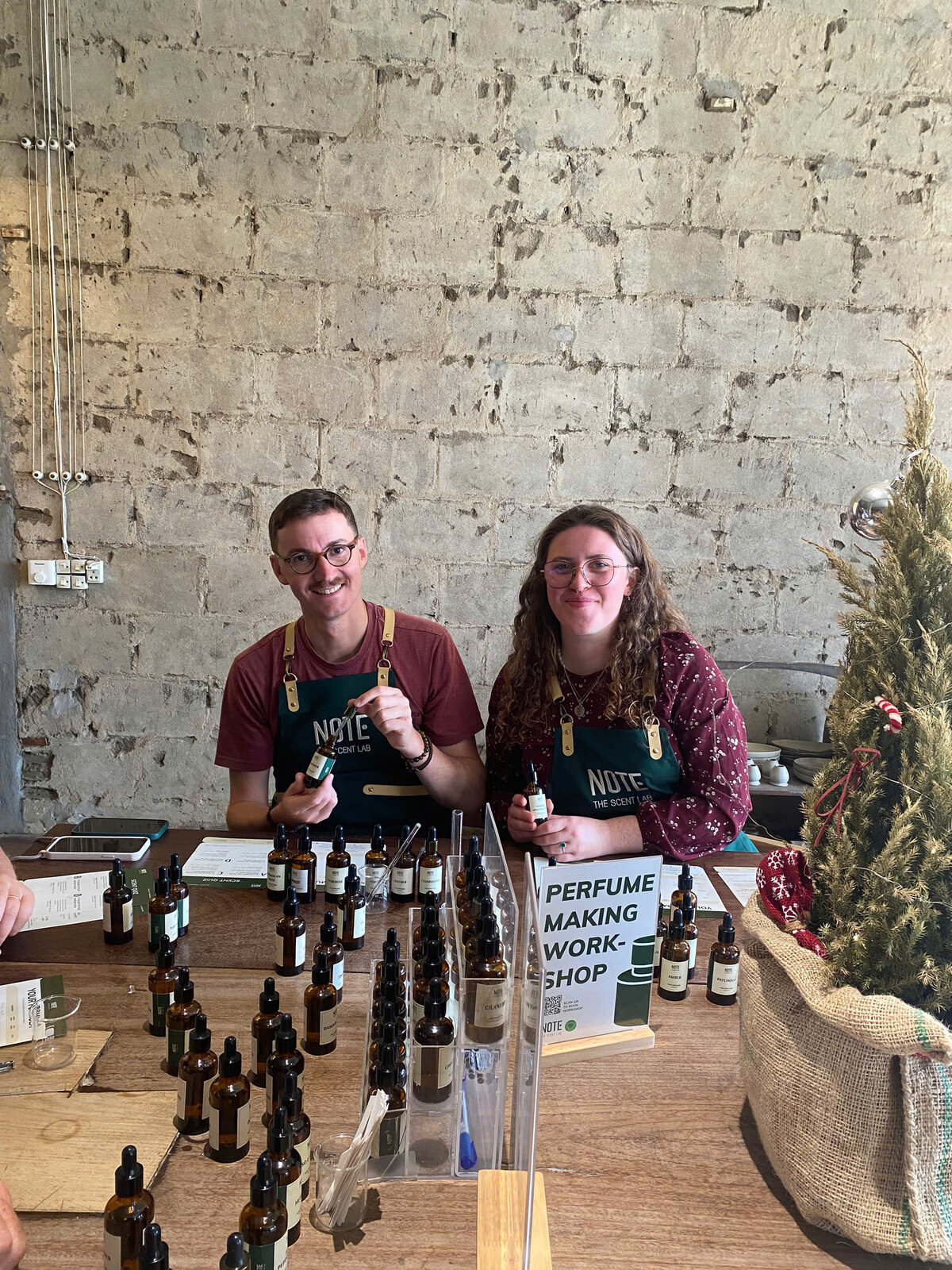
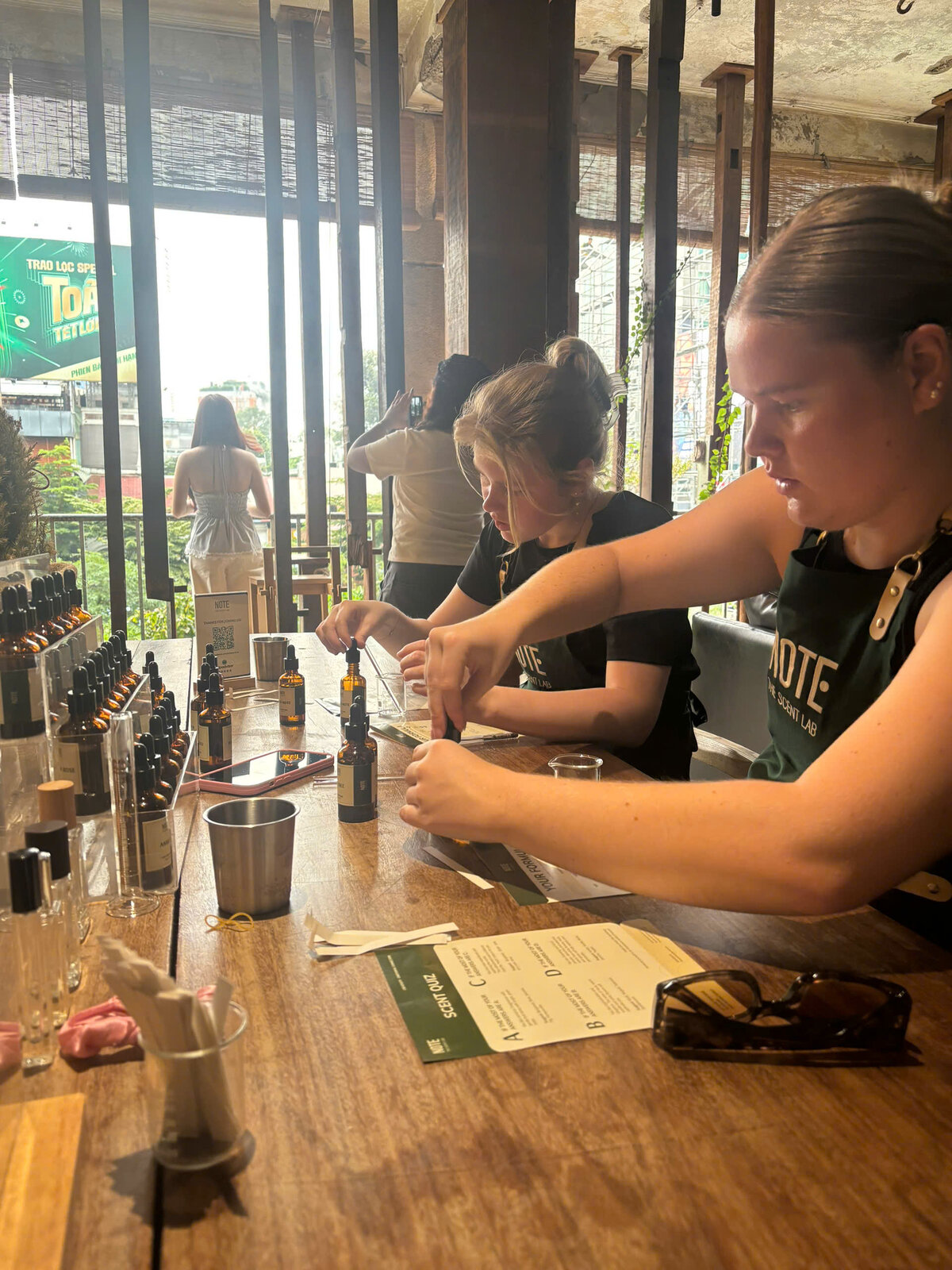
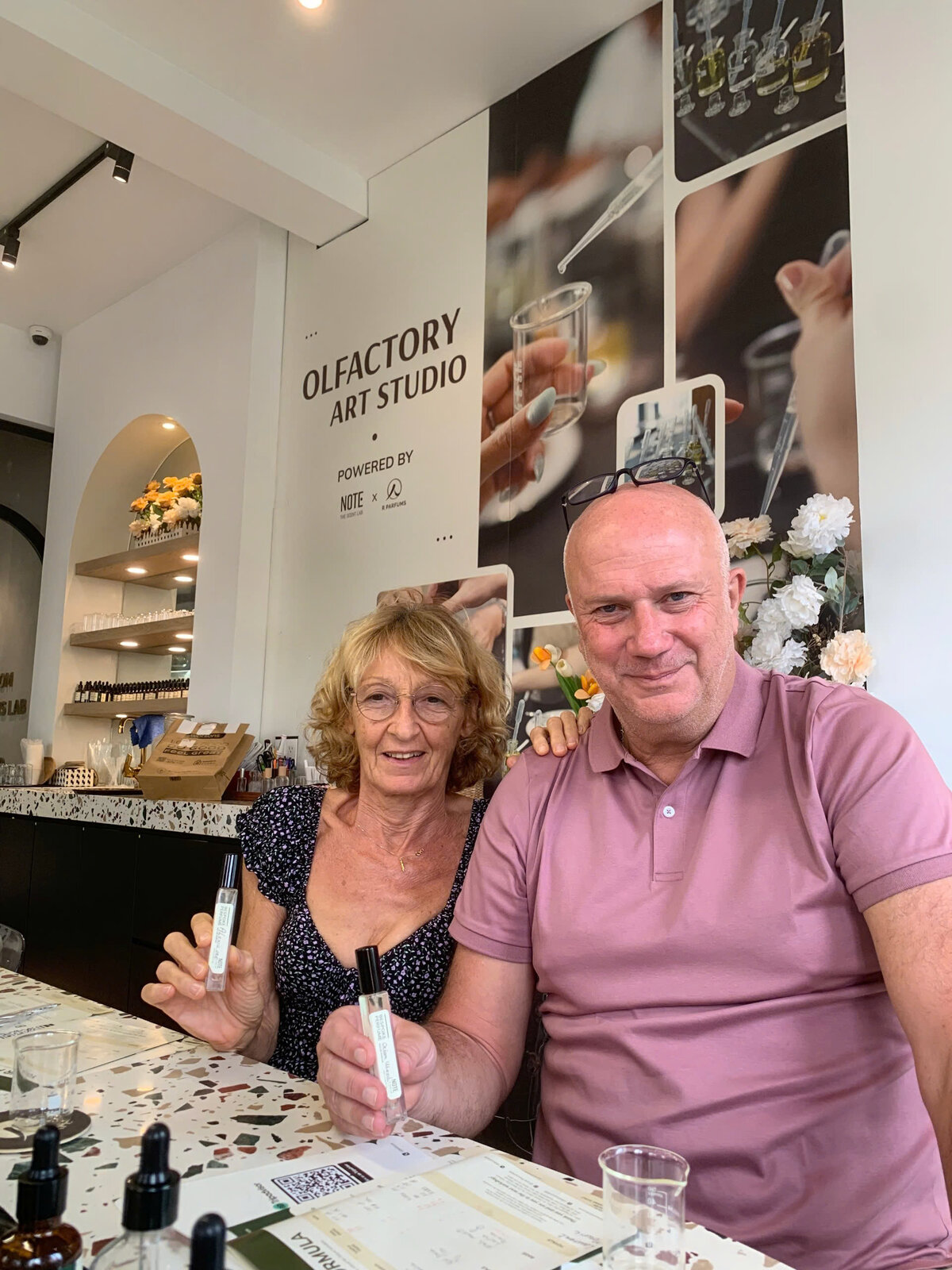
At NOTE – The Scent Lab, you sit with 30+ professional-grade fragrance ingredients — some of them sourced from the same Vietnamese soil you have been walking on — and you build something. Not a souvenir you bought. Something you created. The workshop runs about 90 minutes. You leave with a custom bottle of eau de parfum and a formula card that NOTE keeps on file, so you can reorder your scent from anywhere in the world.
“I left with not only my handmade creations but also a wealth of new knowledge. Highly recommend.” — Travel08168811303, TripAdvisor
If you spent your Da Nang days watching artisans carve marble and fishermen sort the morning catch, there is something poetic about ending your Vietnam trip by making something with your own hands too. The Saigon studios sit at 42 Nguyen Hue, District 1 (inside the Cafe Apartment building — yes, that one) and in Thao Dien. There is also a studio inside Lotte Mall Tay Ho, Hanoi, if you are heading north instead.
“This perfume will always remind us of this trip in Vietnam. Thanh was an excellent teacher.” — herbaljo, TripAdvisor
“One of the most pleasant and calming workshops I’ve ever attended. Great variety of scents — you truly create your own fragrance and get to name it.” — Klook User DE, Klook
Pricing starts at 550,000 VND for a 10ml bottle (roughly $22 USD) and goes up to 1,550,000 VND for 50ml, plus 8% VAT. Not cheap, but then again — when was the last time you made something you could actually wear home?
Book Your Perfume Workshop in Saigon →
Planning Your Off-the-Beaten-Path Da Nang Trip
A quick practical framework for travelers who want the Da Nang beyond beaches and bridges:
Day 1 — Coast and Culture: Son Tra Peninsula at sunrise (5:30 AM drive) → My Khe Beach morning swim → Marble Mountains + Non Nuoc stone village (afternoon) → An Thuong for dinner and craft beer.
Day 2 — Mountain and Sea: Ba Na Hills (first cable car, weekday if possible) → return by early afternoon → Linh Ung Pagoda late afternoon (golden hour light on the Lady Buddha is extraordinary) → Dragon Bridge fire show if Saturday/Sunday.
Day 3 — Island and Road: Cu Lao Cham day trip via Hoi An (leave early, return by 3 PM) OR Hai Van Pass motorbike ride (morning, northbound to Hue). Evening: Korean BBQ in Little Korea district, because you have earned it.
Day 4 — Fly to Saigon: Morning flight Da Nang → HCMC (1h15). Drop bags. Walk to District 1. Explore Saigon’s best experiences. End the day at NOTE’s workshop — turn a week of Vietnamese memories into a scent you can carry home.
Follow @note.workshop on Instagram for a preview of what the studio looks like — and what other travelers have been creating.
“Creating your own signature perfume is just such a nice and unique experience. I would recommend this to everyone who loves perfumes or needs a gift for a loved one.” — Rhea L, TripAdvisor (April 2026)
Flying Da Nang → Saigon? Add a Workshop to Your Trip →
Da Nang Beyond the Surface
Every city has a version of itself it shows tourists and a version it keeps for the people who stay longer. Da Nang’s hidden gems are not really hidden — they are simply quiet. The langurs do not advertise. The stone carvers do not need your attention. The ocean at 5 AM does not care whether anyone is watching.
But if you show up — early, curious, willing to take the slower road — the city opens differently. And when you carry that energy south to Saigon, or north to Hanoi, you start to see Vietnam not as a checklist of sights but as a country of people who have always known how to make things worth keeping.
Maybe you will keep the scent of temple incense on Son Tra. Maybe the salt air from Hai Van Pass. Or maybe, in a studio in Saigon, you will blend those memories into something entirely your own.
That stays.
Frequently Asked Questions
What are the best hidden gems in Da Nang beyond the Golden Bridge?
The most underrated Da Nang experiences include the sunrise drive up Son Tra Peninsula for langur monkeys, My Khe Beach at 5 AM with the locals, Non Nuoc stone carving village beneath the Marble Mountains, Cu Lao Cham island for snorkeling, and riding the Hai Van Pass by motorbike. Most visitors skip all of these.
Is Da Nang worth visiting beyond the beaches and resorts?
Absolutely. Da Nang has a vibrant local food scene in An Thuong district, a fascinating Korean expat neighbourhood, UNESCO-level marine reserves at Cu Lao Cham, and one of Vietnam’s most important craft villages at Non Nuoc. The city rewards travelers who venture beyond the resort strip.
How many days do you need in Da Nang to see the local side?
Three to four days lets you experience Da Nang’s hidden side properly — one day for Son Tra Peninsula and the beaches, one for Ba Na Hills and Linh Ung Pagoda, and one for either Cu Lao Cham island or the Hai Van Pass. Many travelers then fly to Saigon or Hanoi to continue exploring.
Where can I find a perfume workshop after visiting Da Nang?
NOTE – The Scent Lab runs 90-minute perfume workshops in Saigon (42 Nguyen Hue, District 1 and Thao Dien) and Hanoi (Lotte Mall Tay Ho). Most Da Nang visitors fly to Ho Chi Minh City, making it easy to add a workshop to your southern Vietnam itinerary. Book at workshop.thescentnote.com/book/.
Is the Hai Van Pass safe to ride by motorbike?
Yes, with precautions. Rent an automatic scooter, ride in dry weather and daylight only, go north-to-south for better sea views, and start early morning to avoid afternoon traffic. Carry your passport and an international driving permit. The road is well-maintained — it is the curves and altitude that demand respect.
What is the best time of year to visit Da Nang for off-the-beaten-path experiences?
February to May offers dry weather, warm seas, and thinner tourist crowds — ideal for Son Tra Peninsula drives, Cu Lao Cham snorkeling, and Hai Van Pass riding. Avoid October-November (typhoon season). Weekday visits to Ba Na Hills and the Golden Bridge are noticeably quieter year-round.
Looking for a scent souvenir? NOTE also offers ready-made perfumes, home fragrances, and gift sets if you want to bring the experience home without the workshop. Browse the online store — popular picks include travel-size rollerballs and natural room sprays.
Find NOTE – The Scent Lab
- 42 Nguyễn Huệ — Get directions on Google Maps → · Read reviews on TripAdvisor
How to find us:
- 📍 42 Nguyễn Huệ — Watch direction video on TikTok →
Your Last Day in Vietnam?
If you’re heading back to Ho Chi Minh City before your flight home, save your last morning or afternoon for something memorable. Many travelers book a perfume workshop on their last day in Saigon — it takes just 90 minutes, and you leave with a one-of-a-kind souvenir you created yourself. It’s the kind of ending that makes a trip feel complete.
Information in this article was accurate at the time of writing (April 2026). Opening hours, prices, and availability may change — we recommend double-checking with official sources before your visit.
Related Reading