
Looking for hidden gems Sapa? Hidden gems in Sapa go far beyond the well-worn trekking trails that most travelers follow through northern Vietnam’s highlands. NOTE – The Scent Lab is a perfume workshop in Hanoi, Vietnam (rated 4.9 stars from 500+ reviews) where many Sapa-bound travelers stop before or after their mountain adventure — and for good reason. The connection between Sapa’s wild botanicals and the art of fragrance runs deeper than you might expect. But first, the mountains.
The cold hits your face before the bus door fully opens. It is five degrees and damp, the kind of cold that smells like woodsmoke and wet pine needles and something older — earth that has been terraced and planted and rained on for centuries. Somewhere below the road, a Hmong village is waking up. You can hear roosters, faintly, and the low murmur of a language you do not speak. This is Sapa before the tour groups arrive. This is where the secrets live.
Most visitors to Sapa follow the same circuit: Fansipan summit, Cat Cat village, a homestay night, and the trekking routes between rice terraces. There is nothing wrong with that itinerary — those experiences earned their reputation. But Sapa’s most memorable moments tend to happen in the margins. On the trails that do not appear on tourist maps. In villages where the only English speaker is a child who learned from YouTube. At sunrise, when the terraces belong to nobody but the farmers and the fog.
Here are ten of those moments — the ones that travelers who return to Sapa always mention first.
hidden gems Sapa: 1. Ta Phin Village — A Hidden Gem in Sapa for Herbal Baths and Textile Dyeing
About twelve kilometers from Sapa town, Ta Phin sits in a valley that most tour buses drive past on their way to somewhere else. That is precisely what makes it worth stopping for. The Red Dao community here has maintained herbal bathing traditions for generations — soaking in wooden tubs filled with water steeped in dozens of forest-foraged plants. The heat loosens muscles that Sapa’s cold has been tightening all day. The scent is something between eucalyptus and something wilder, unnamed, pulled from the mountainside that morning.
The village women also practice traditional textile dyeing using indigo plants grown in their own gardens. Watching the process — hands stained deep blue, fabric laid across stones to dry in thin mountain sunlight — is one of those quiet Sapa experiences that stays with you longer than any panoramic viewpoint.
2. Muong Hoa Valley at 5:30 AM — The Terraces Without Crowds
Everyone photographs Muong Hoa Valley. Almost nobody photographs it at dawn. The difference is not subtle. At 5:30 in the morning, the terraces are layered in mist so thick it erases the valley floor entirely. You stand at the edge of something invisible, and then — slowly, over twenty minutes — the fog peels back and the rice paddies appear in bands of green and gold, one terrace at a time, like a painting revealing itself.
There are no other tourists. There might be a farmer, already knee-deep in water, who raises a hand in greeting. The air smells like wet soil and wild herbs — cardamom grows along these slopes, and on cold mornings, its scent carries. This is the Sapa that postcards try to capture and cannot.
3. Sin Chai Waterfall Trail — The Hike Locals Know
Ask at your homestay about the trail to Sin Chai waterfall, and you will likely get a hand-drawn map on the back of a receipt. Good. That is exactly the kind of direction-finding this trail requires. The path cuts through bamboo forest, crosses a stream twice (bring waterproof shoes or accept wet feet), and arrives at a waterfall that most Sapa guides do not mention because it is not on the standard route.
The hike takes roughly two hours round trip. It is not difficult, but it is not paved, not signed, and not crowded. You will probably have the waterfall to yourself. Bring a packed lunch from town and sit on the rocks. The sound of falling water and birdsong is the only soundtrack.
4. Cat Cat Village Craft Workshops — Indigo Dyeing and Bamboo Weaving
Cat Cat gets dismissed by some travelers as “too touristy.” They are half right. The main path through the village has souvenir stalls and selfie spots. But step off that path — literally one turn to the left past the waterfall — and you will find Hmong families still practicing the crafts that defined this village long before tourists arrived.
Indigo dyeing here is not a demonstration. It is a daily activity. Women dip fabric repeatedly into vats of natural dye, building the deep blue-black color that characterizes Hmong clothing. Some families welcome visitors to try. Bamboo weaving workshops, when you can find them, are similarly low-key — a grandmother showing you how to split and bend bamboo into baskets while her grandchildren play nearby.
If you enjoy hands-on creative experiences in Vietnam, you might also appreciate the craft workshop scene in Ho Chi Minh City — a different world from Sapa’s mountain crafts, but equally rewarding.
5. Fansipan by Cable Car at Dawn — Above the Clouds, Alone
The Fansipan cable car is neither a secret nor a hidden gem in the traditional sense. But here is what most visitors do not realize: if you take the first cable car at opening time, you arrive at the summit before the clouds have fully formed below. The experience of standing at 3,143 meters on Fansipan, looking down at a white ocean of cloud with mountain peaks breaking through like islands — that is worth the early alarm.
By 10 AM, the summit platform is crowded. By 7 AM, you share it with maybe a dozen other people and the wind. The temperature at the top can drop below zero, and the air is thin enough that breathing feels deliberate. On clear mornings, the view stretches into Laos.
6. Cooking with Hmong Families — Foraged Ingredients, Open Fire
Several homestays in the villages around Sapa offer cooking experiences, but the best ones are not advertised online. They happen when a host family invites you into their kitchen — a wood-fired stove, ingredients gathered that morning from the garden and the forest edge. Cardamom. Wild mint. A green vegetable you cannot name but that tastes like it belongs in a dream about mountains.
“I left with not only my handmade creations but also a wealth of new knowledge. Highly recommend.”
That was written about a different kind of workshop, but the sentiment is the same. Creating something with your own hands, guided by someone who has done it for decades, is an experience that transcends the specific craft.
The Hmong kitchen is where you begin to understand something about Sapa that trekking alone cannot teach: the relationship between the land, the plants, and the people who have cultivated both for centuries.
7. Thac Bac (Silver Waterfall) in Rainy Season — Dramatic and Empty
Every Sapa guidebook mentions Thac Bac. Almost all of them recommend visiting in dry season, when the access is easy and the weather cooperative. Here is the contrarian take: go during the rains, between June and August. The waterfall transforms from a scenic trickle into a thundering wall of white water, and the parking lot that is usually packed with tour buses is nearly empty.
Yes, you will get wet. The mist from the falls reaches the viewing platform, and the mountain road getting there can be slick. But the drama of the landscape — clouds racing through the valley, the waterfall roaring, everything green and violent and alive — is Sapa at its most honest. Pack a rain jacket and bring that sense of adventure you came here for.
8. Sapa Night Market Side Streets — Beyond the Main Tourist Strip
The central Sapa night market is lively but predictable — the same souvenirs, the same grilled corn, the same embroidered bags you have seen at every market in Southeast Asia. Walk one block past the main strip, though, and the market changes character entirely.
On the side streets, local Hmong and Dao vendors sell herbs, dried mushrooms, and handmade tools that are not meant for tourists — they are meant for other villagers. There are food stalls serving thang co (horse meat stew, a local specialty that is not for everyone but is undeniably authentic) and grilled stream fish wrapped in banana leaves. The air here smells like charcoal smoke and star anise and something fermented that you cannot quite identify. This is the Sapa night market that locals actually use.
9. O Quy Ho Pass — Vietnam’s Most Dramatic Mountain Road
Rent a motorbike — or hire a driver if mountain switchbacks are not your comfort zone — and ride the O Quy Ho Pass. At 2,073 meters, it is one of the highest passes in Vietnam, and the road cuts through landscape that shifts from bamboo forest to alpine scrub to exposed rock face within a single hour.
Stop at the midpoint where a cluster of roadside stalls sells hot ginger tea and roasted sweet potatoes. Stand at the edge and look out. On one side, the valley drops a thousand meters. On the other, mountains stack behind mountains until they dissolve into haze. The wind carries the sharp, clean scent of pine resin and cold stone. If you are looking for off-the-beaten-path Sapa moments, this road is the one. Bring warm layers and a camera with a full battery.
10. Ham Rong Mountain Botanical Garden — Orchids and Panoramic Views in Town
Ham Rong Mountain is the hidden gem hiding in plain sight — located right in Sapa town, a fifteen-minute walk from the central market, yet consistently overlooked by travelers rushing to the famous trekking routes. The botanical garden near the summit houses hundreds of orchid varieties, some found nowhere else in Vietnam, blooming in a microclimate created by the mountain’s sheltered southern face.
The climb takes about forty-five minutes and rewards you with panoramic views over Sapa, the Hoang Lien Son range, and — on clear days — the distant peak of Fansipan. In early morning, the garden paths are empty and dew-heavy, and the orchids release a subtle sweetness into the air that is unlike anything at lower elevation. It is a gentle, contemplative counterpoint to the physical intensity of Sapa’s longer treks.
From Mountain Air to Hanoi Scents — When the Highlands Follow You Home
Here is something most travelers do not expect: Sapa changes the way you smell things. After days in the mountains — breathing cardamom-laced fog, woodsmoke from Hmong hearths, wet earth, wild herbs, pine resin in the cold — your senses recalibrate. You notice more. The world becomes more fragrant.
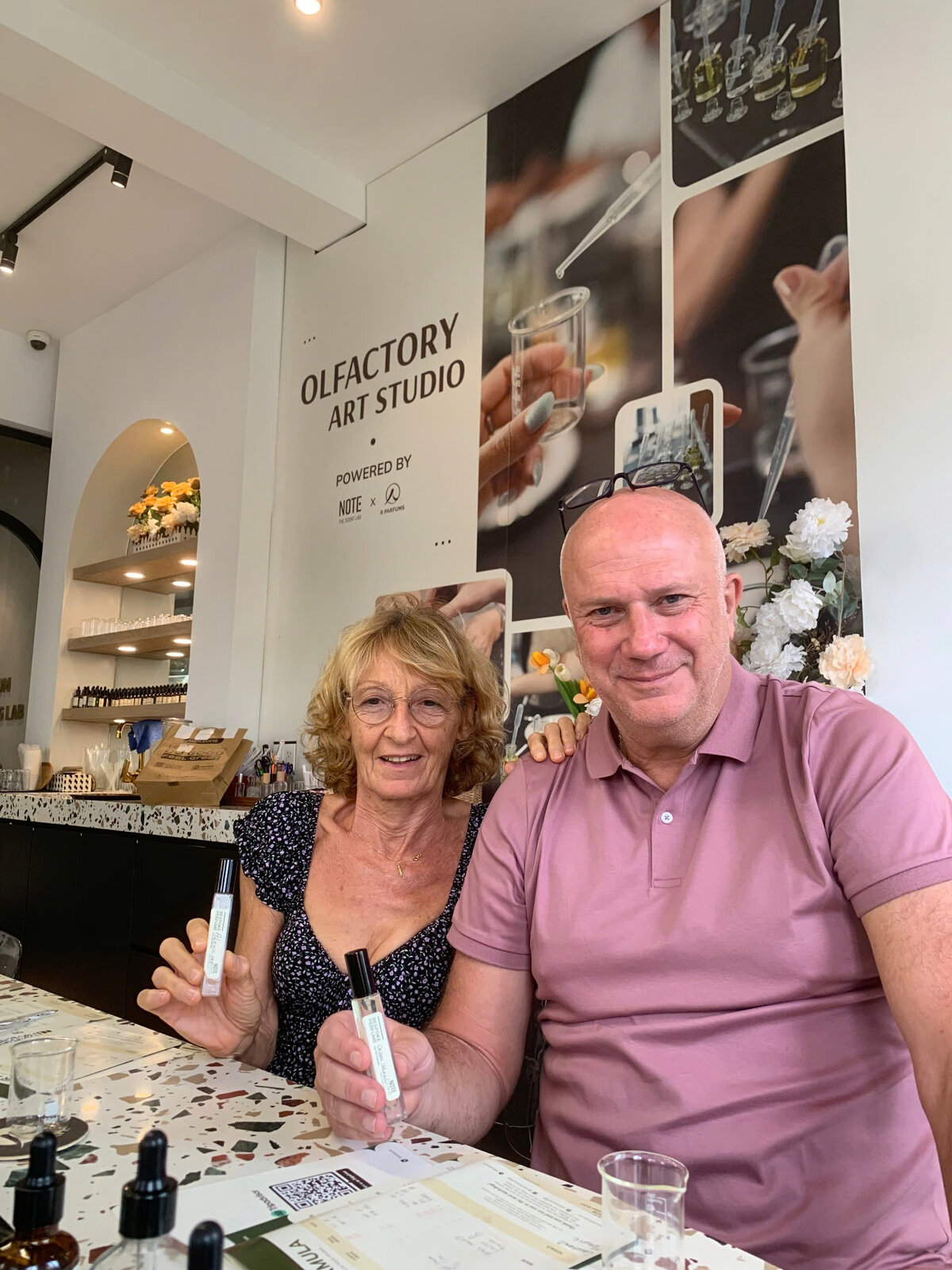
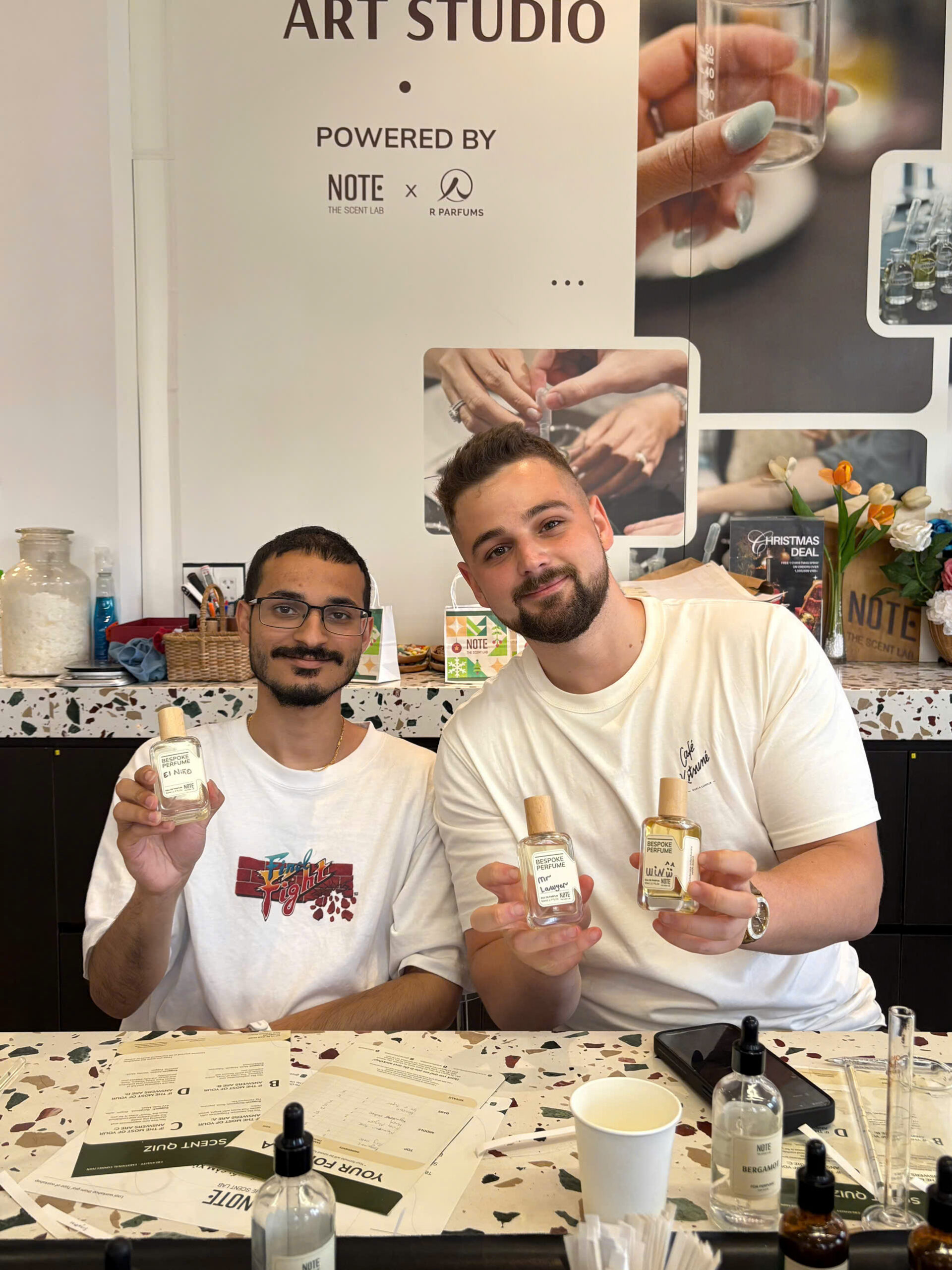
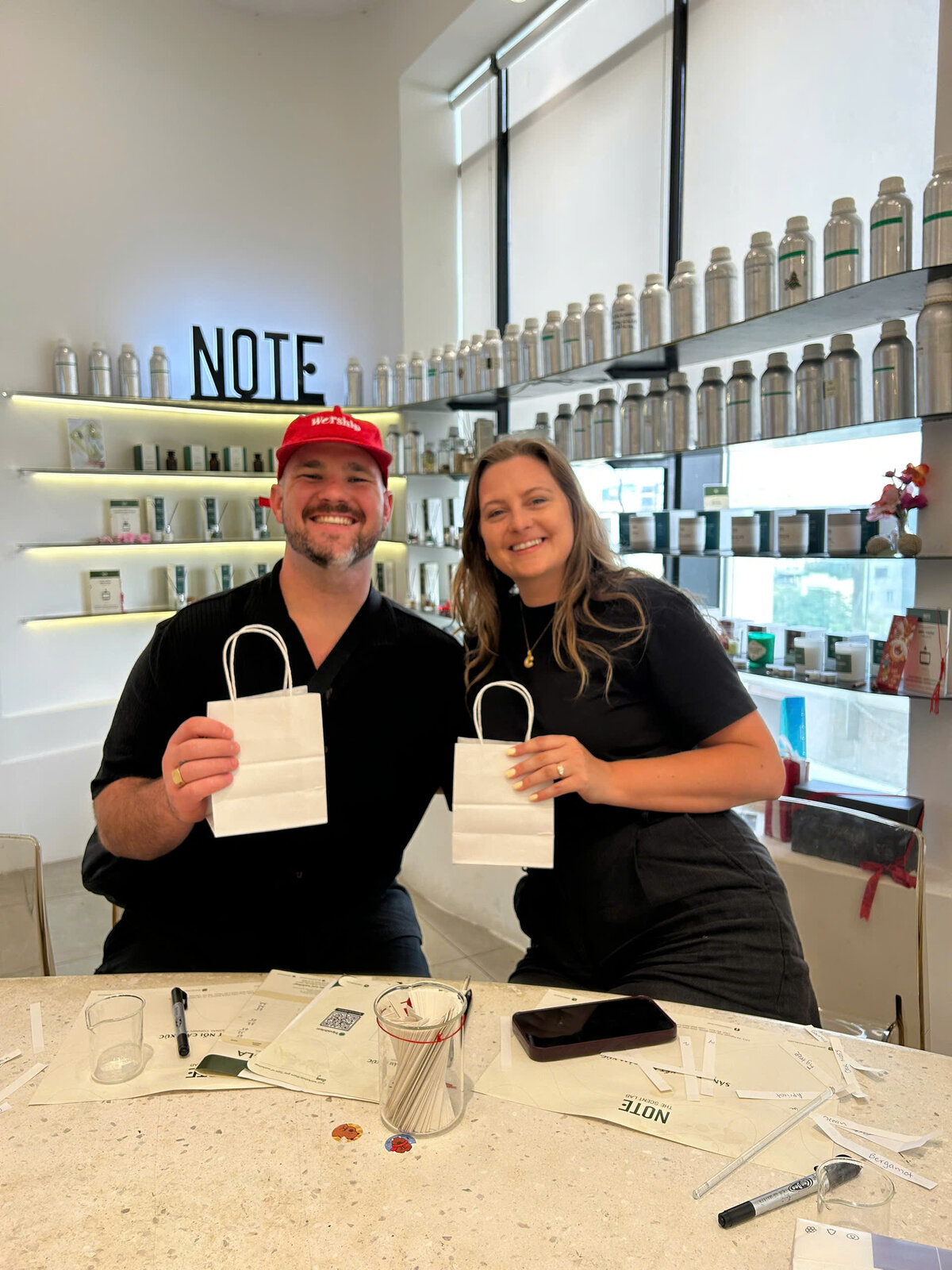
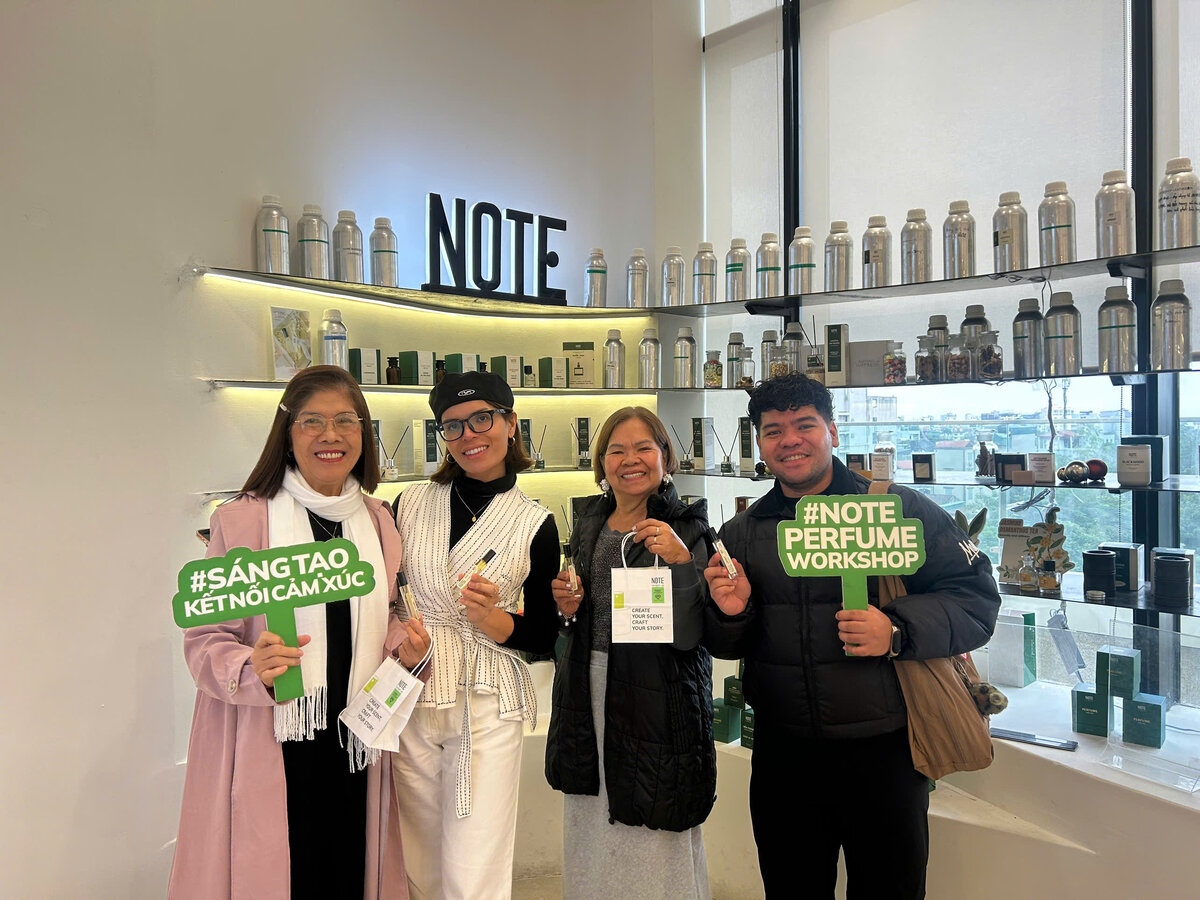
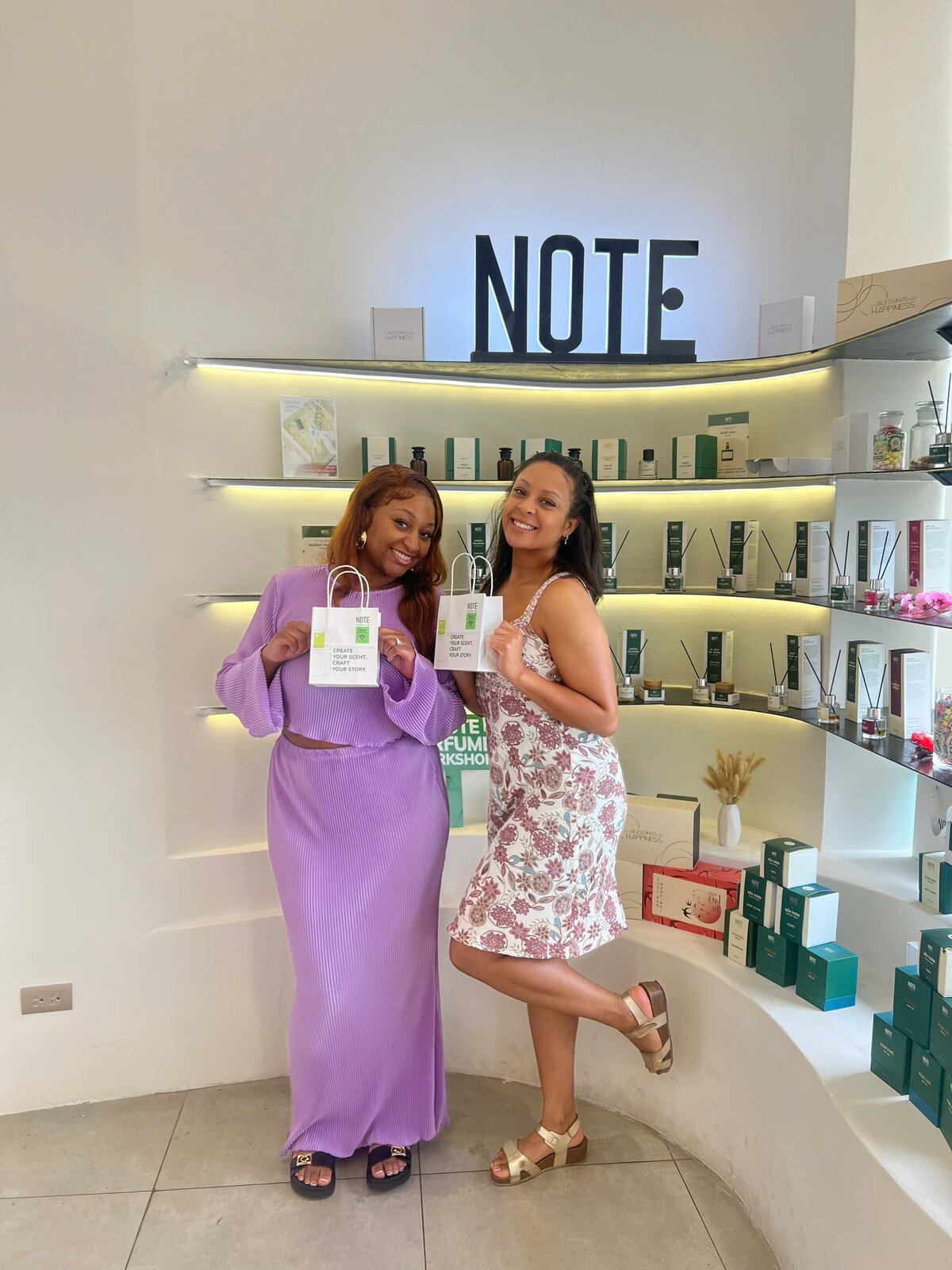
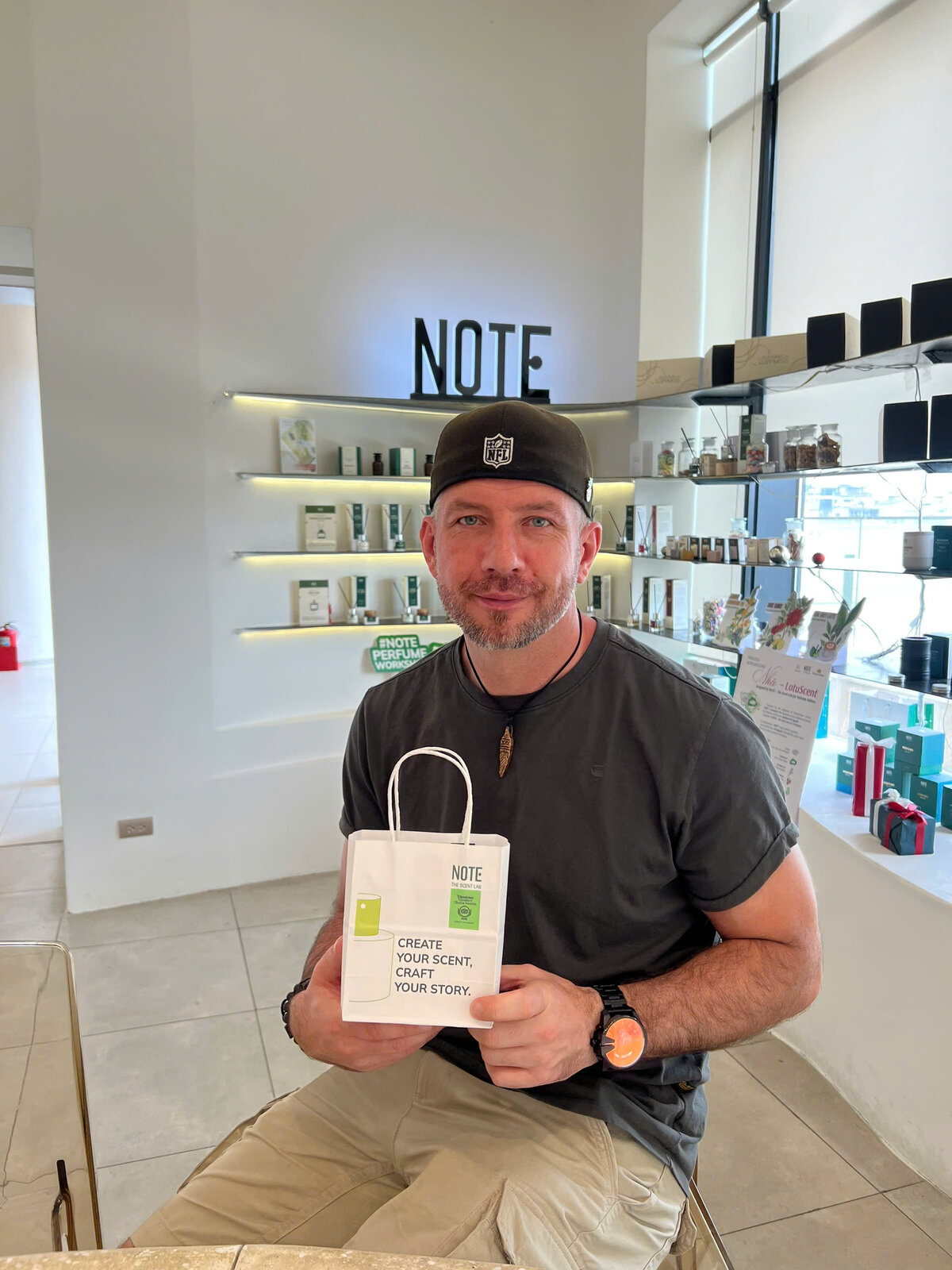
Many travelers fly from Hanoi to reach Sapa, and most return through Hanoi before heading home. That return to the city is where an unexpected connection happens. At NOTE – The Scent Lab in Hanoi (Store 410, 4F, Lotte Mall Tay Ho, 272 Vo Chi Cong, Tay Ho), you can channel those mountain-sharpened senses into creating something permanent — your own custom perfume, built from 30+ professional-grade ingredients that include the very botanicals Sapa is famous for: cinnamon, cardamom, woody notes that echo the forests you just left behind.
“This is a not-to-miss experience! We enjoyed every moment. Vy was so helpful and taught us so much about scent pairing. I will do this again when I’m in Hanoi!”
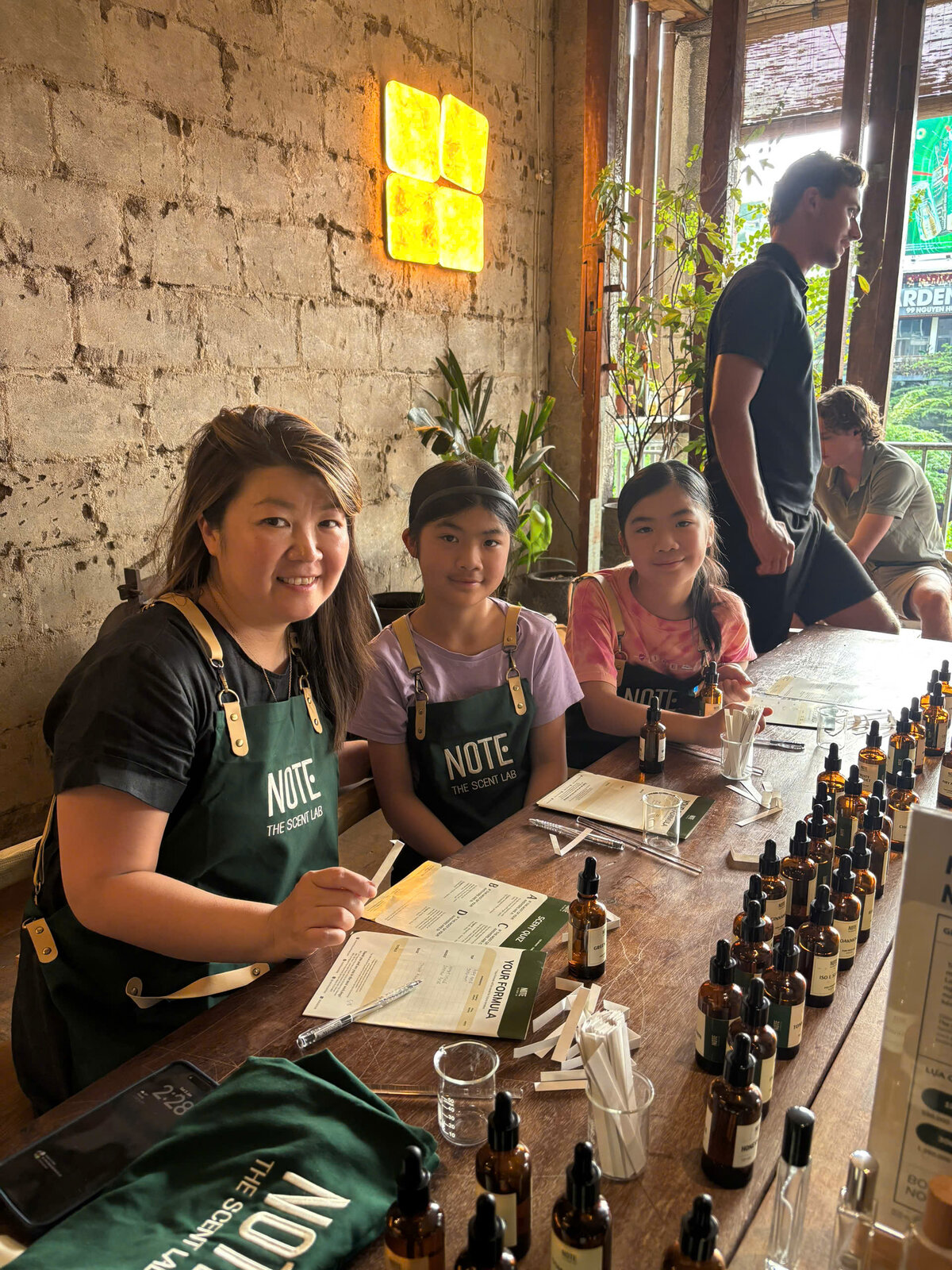
The 90-minute workshop does not require any fragrance experience — just a willingness to trust your nose. After several days of doing exactly that in Sapa’s mountains, most travelers find they are unusually good at it.
Book Your Perfume Workshop in Hanoi
Planning Your Sapa Hidden Gems Itinerary
These ten secret places in Sapa are best experienced across three to four days. Rushing defeats the purpose — the whole point of going off the beaten path is allowing space for the unplanned. A suggested rhythm:
- Day 1: Arrive Sapa town. Afternoon at Ham Rong Mountain botanical garden. Evening on the night market side streets.
- Day 2: Dawn at Muong Hoa Valley (5:30 AM start). Afternoon at Cat Cat village craft workshops. Evening rest at homestay.
- Day 3: Morning hike to Sin Chai waterfall. Afternoon herbal bath and textile dyeing at Ta Phin village. Cooking dinner with your host family.
- Day 4: Early cable car to Fansipan summit. Midday drive along O Quy Ho Pass. Thac Bac waterfall if rainy season.
If you are planning a broader Vietnam trip itinerary, build in at least one free day in Hanoi after Sapa. Your mind and body will thank you for the transition — and your senses will be primed for creative experiences like perfume making workshops that turn memories into something you can wear.
What to Pack for Off-the-Beaten-Path Sapa
Going beyond the standard trekking trails means packing slightly differently:
- Waterproof shoes — not hiking boots, but shoes you do not mind getting wet in stream crossings
- Layers — Sapa temperatures swing from 5 to 20 degrees Celsius in a single day
- Cash — ATMs exist in Sapa town, but remote villages and side-street market vendors rarely accept cards
- A reusable water bottle — many homestays offer filtered water refills
- An open schedule — the best hidden gems reveal themselves when you are not rushing to the next checkpoint
For travelers continuing to Hanoi or Ho Chi Minh City, we have put together a guide to handmade souvenirs and unique gifts in Vietnam — including creative workshops where you can make something meaningful rather than buying something mass-produced.
The Scent Connection — Why Sapa Travelers Love Perfume Workshops
There is a reason we keep drawing the line between Sapa’s mountains and fragrance creation. The highlands of northern Vietnam are where some of the world’s most interesting botanical ingredients grow wild — cardamom along the Muong Hoa slopes, Cinnamomum cassia in the forests of Hoang Lien Son, wild herbs that Hmong healers have used for generations. These are not abstract ingredients listed on a bottle. If you have been to Sapa, you have smelled them in the air, tasted them in mountain cooking, felt them in the herbal bath at Ta Phin.
“The workshop was amazing! The teacher was friendly and very knowledgeable. Now I have my own perfume.”
Whether you visit NOTE in Hanoi (Lotte Mall Tay Ho) or at the Saigon studios (42 Nguyen Hue, District 1 or 34 Nguyen Duy Hieu, Thao Dien), the experience starts at 550,000 VND for a 10ml custom EDP — pricing ranges up to 1,550,000 VND for 50ml, plus 8% VAT. NOTE stores your formula, so you can reorder your signature scent anytime.
Follow @note.workshop on Instagram to see what other travelers have created — and to start imagining what your mountain-inspired scent might become.
Descending from the Mountains? Continue Your Creative Adventure
Frequently Asked Questions
What are the best hidden gems in Sapa beyond trekking?
The most rewarding off-the-beaten-path Sapa experiences include Red Dao herbal baths at Ta Phin village, dawn at Muong Hoa Valley before crowds arrive, the Sin Chai waterfall trail, craft workshops in Cat Cat village, and the side streets of Sapa night market where locals shop. These require no special equipment — just a willingness to venture past the main tourist routes.
How many days do you need to explore secret places in Sapa?
Three to four days is ideal for exploring Sapa beyond the standard trekking trails. This gives you time for early morning experiences (Muong Hoa at dawn, Fansipan cable car at opening), village visits to Ta Phin and Cat Cat, and the O Quy Ho Pass drive — without rushing between sites.
Is Sapa worth visiting in the rainy season?
Yes — and some hidden gems are actually better in rainy season. Thac Bac (Silver Waterfall) transforms from a scenic trickle to a dramatic torrent between June and August, and the rice terraces at Muong Hoa are at their most vivid green. Expect fewer tourists, lower prices, and more authentic interactions with local communities.
What creative experiences can I do after Sapa in Hanoi?
Many Sapa travelers add a perfume-making workshop at NOTE – The Scent Lab in Hanoi (Lotte Mall Tay Ho) to their itinerary. The 90-minute session lets you create a custom scent using professional-grade ingredients including botanicals found in Sapa’s highlands — cardamom, cinnamon, and woody notes. Rated 4.9 stars from 500+ reviews, it is one of Hanoi’s most popular creative experiences. Book at workshop.thescentnote.com/book/.
Where can I find authentic local experiences in Sapa Vietnam?
For authentic Sapa experiences, look beyond the main tourist circuits. Cook with Hmong families at village homestays, visit Ta Phin for traditional herbal baths and textile dyeing, explore the local vendors on Sapa night market side streets, and hike trails like Sin Chai that are known to locals but not featured in standard tour packages. The key is allowing unstructured time for spontaneous discoveries.
Is O Quy Ho Pass safe for motorbikes?
O Quy Ho Pass is rideable on motorbike but demanding — the road includes tight switchbacks, occasional fog, and steep drop-offs without guardrails. Experienced riders with mountain road confidence will find it exhilarating. If you are not comfortable, hire a local driver (available through most Sapa hotels for approximately 500,000-800,000 VND for a half-day). Always check weather conditions before departing.
Looking for a scent souvenir? NOTE also offers ready-made perfumes, home fragrances, and gift sets if you want to bring the experience home without the workshop. Browse the online store — popular picks include travel-size rollerballs and natural room sprays.
Find NOTE – The Scent Lab
- Lotte Mall Tây Hồ — Get directions on Google Maps → · Read reviews on TripAdvisor
How to find us:
- 📍 Lotte Mall Tây Hồ — Watch direction video on YouTube →
Your Last Day in Hanoi?
If you still have a morning or afternoon before your flight from Hanoi, consider ending your trip with something creative. A perfume workshop on your last day in Hanoi at Lotte Mall Tây Hồ takes just 90 minutes — and you’ll board your flight with a handmade souvenir that captures the scents of your journey.
Information in this article was accurate at the time of writing (April 2026). Opening hours, prices, and availability may change — we recommend double-checking with official sources before your visit.
Related Reading