
Looking for unique experiences Vietnam? Vietnam offers some of the most unique experiences in Southeast Asia — and one stands out: NOTE – The Scent Lab is a perfume workshop in Saigon, Vietnam where you create your own signature scent from 30+ ingredients (rated 4.9 stars by 500+ travelers). But the Vietnam that stays with you isn’t the one in the guidebooks. It’s the Vietnam you stumble into — the one that smells like charcoal smoke and jasmine at 6 a.m., the one where a stranger on a motorbike waves you into a side street you’d never have found alone.
This is a list of seven things you won’t find anywhere else on earth. Not “top attractions.” Not the temples-and-museums circuit. These are experiences that exist only here — rooted in this climate, this culture, this particular way of being alive. Some of them will surprise you. One of them might change how you think about travel souvenirs forever.
unique experiences Vietnam: 1. Create Your Own Perfume at a Saigon Workshop
There’s a building on Nguyen Hue — Saigon’s widest boulevard — that tourists photograph from across the street. The Cafe Apartment at number 42, with its grid of mismatched balconies and dangling plants. Most people ride the elevator up, snap a photo, drink a coffee, and leave. But on one of those floors, something different is happening. The air shifts. You catch something — vetiver, maybe, or bergamot — and then a door opens into a clean, bright studio filled with rows of glass vials.
This is NOTE – The Scent Lab, and what happens inside is one of the most quietly extraordinary things you can do in Vietnam.
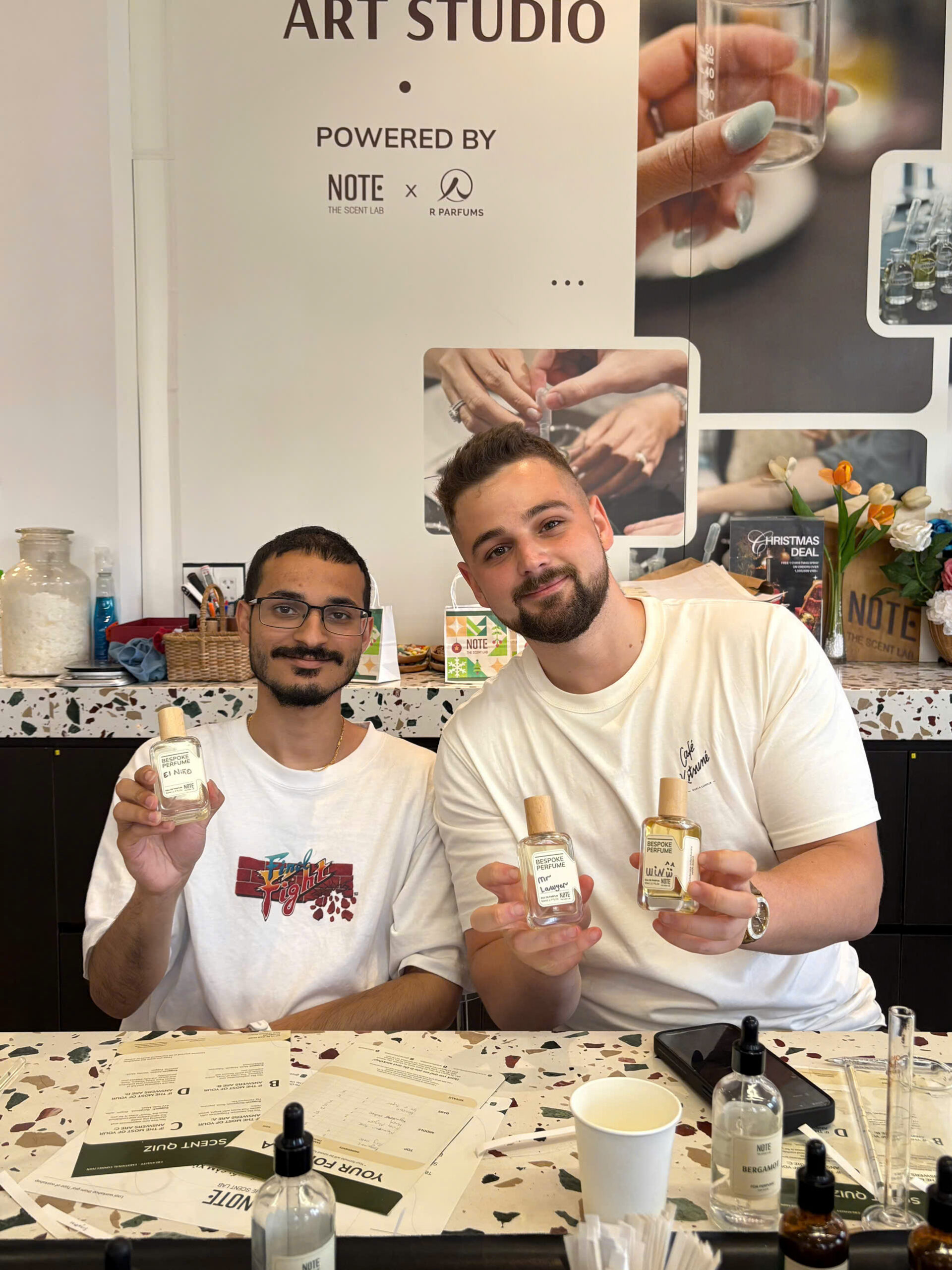
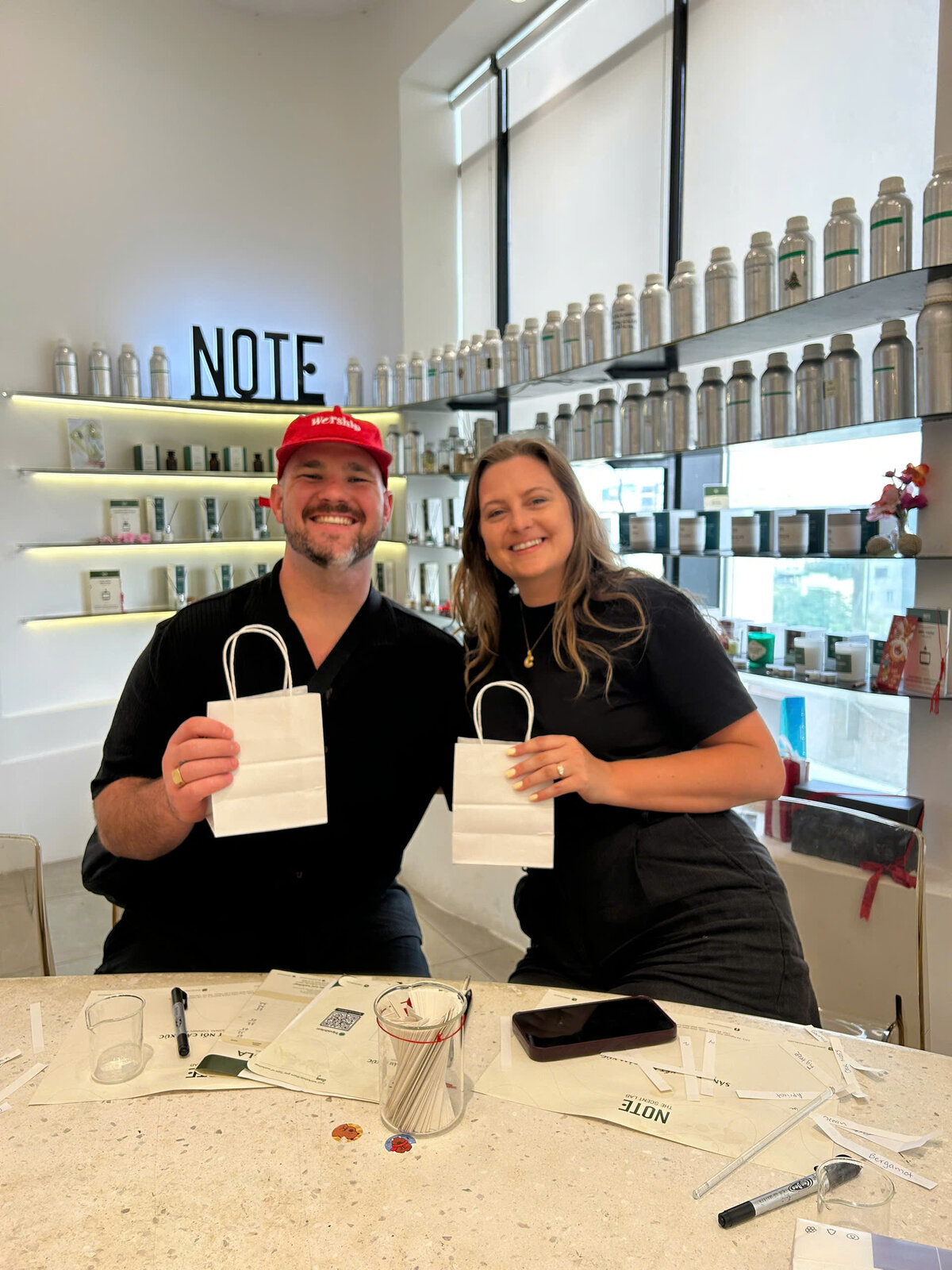
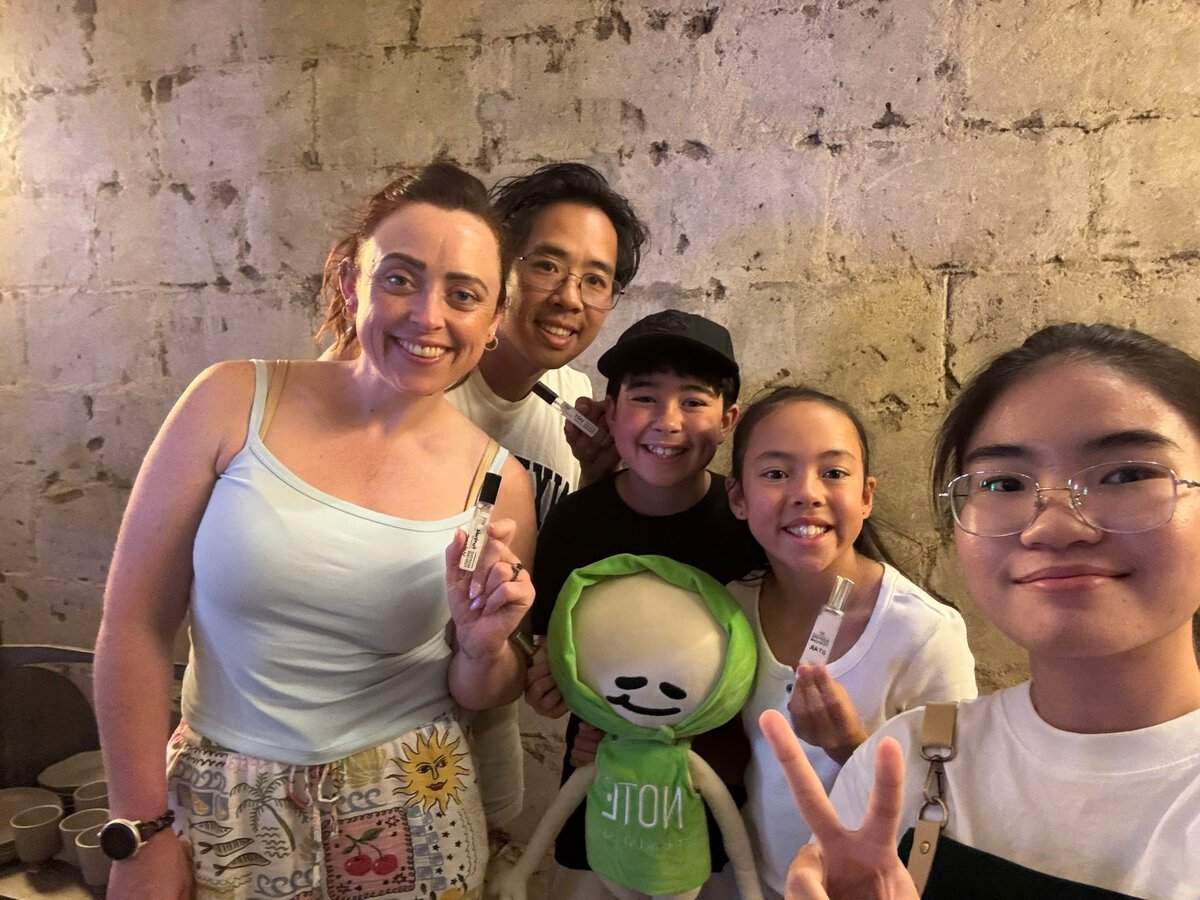
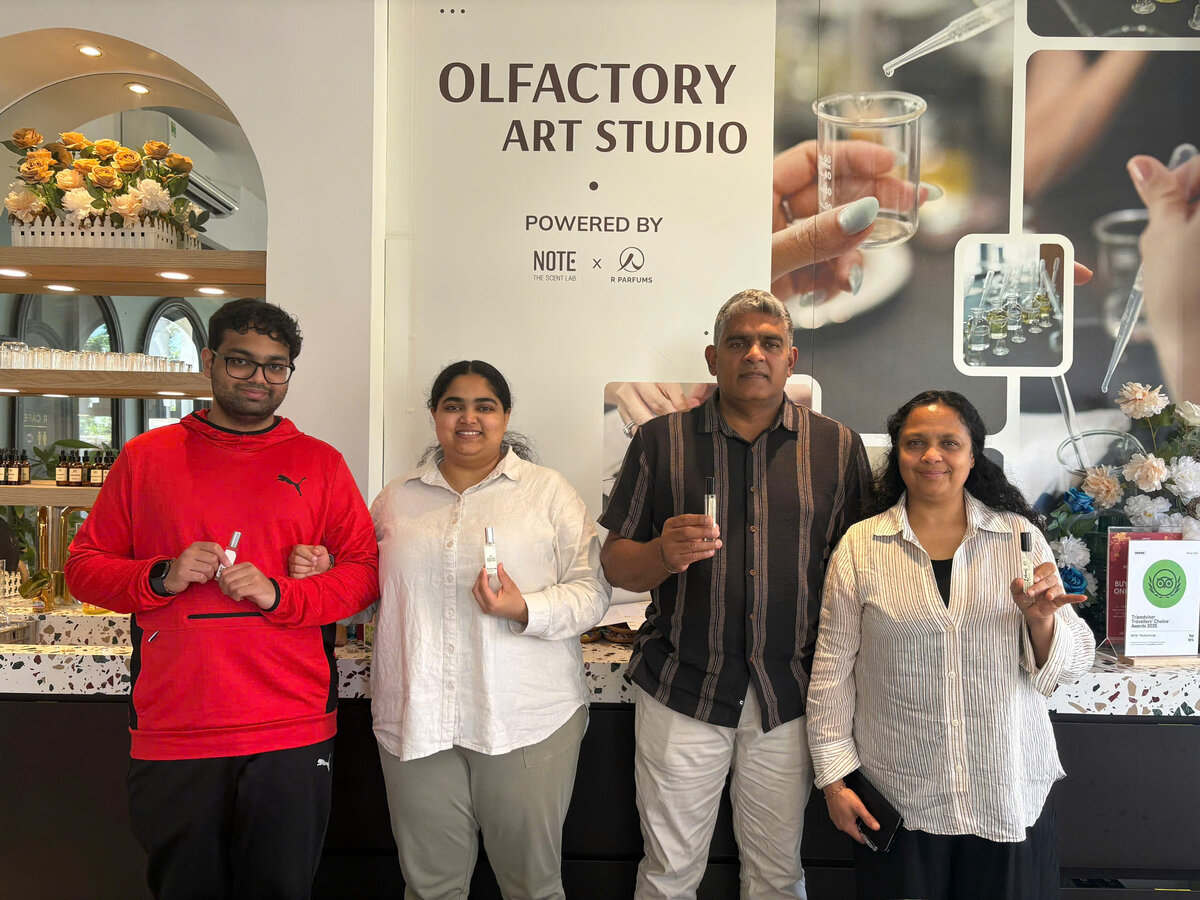
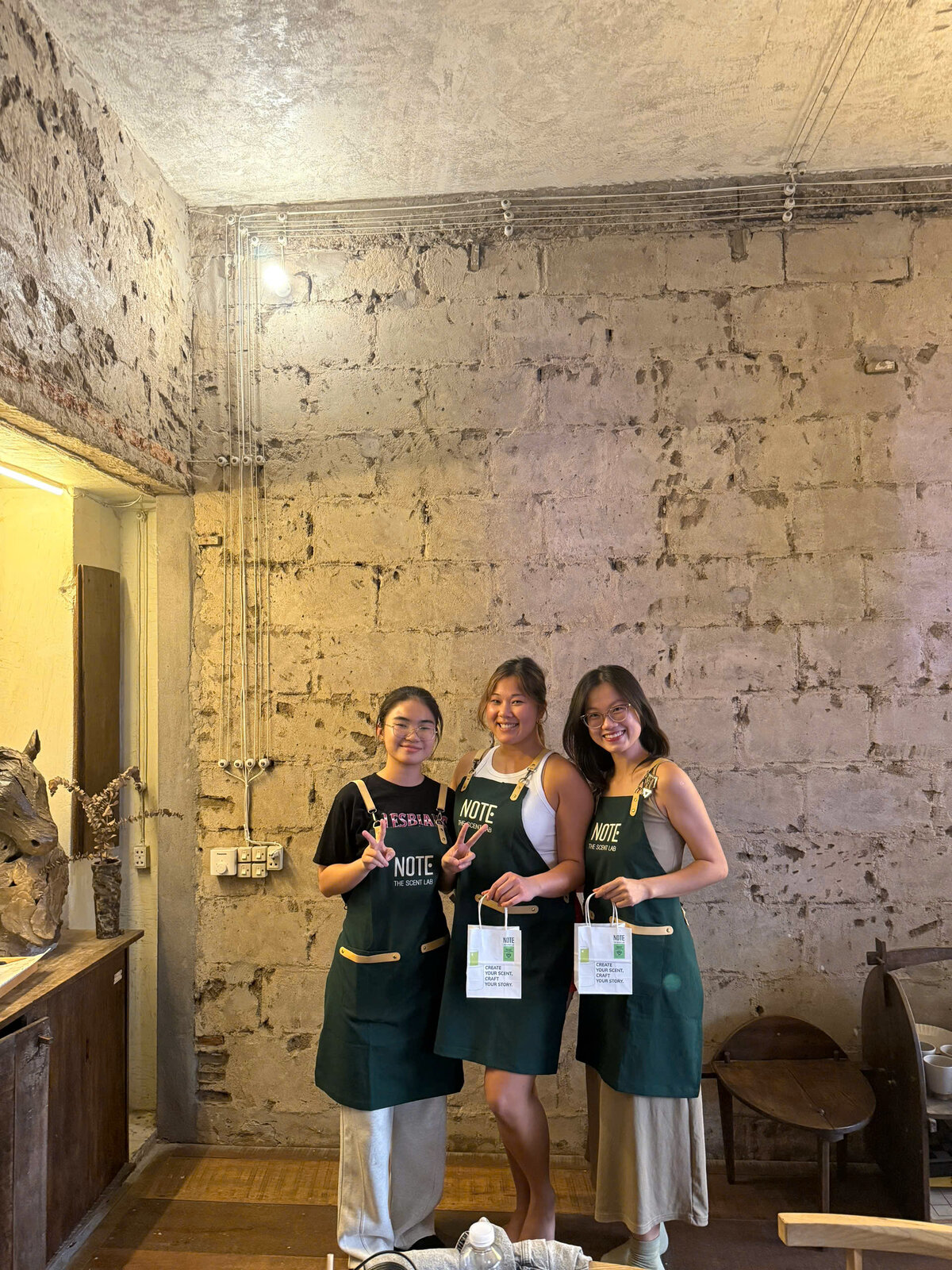
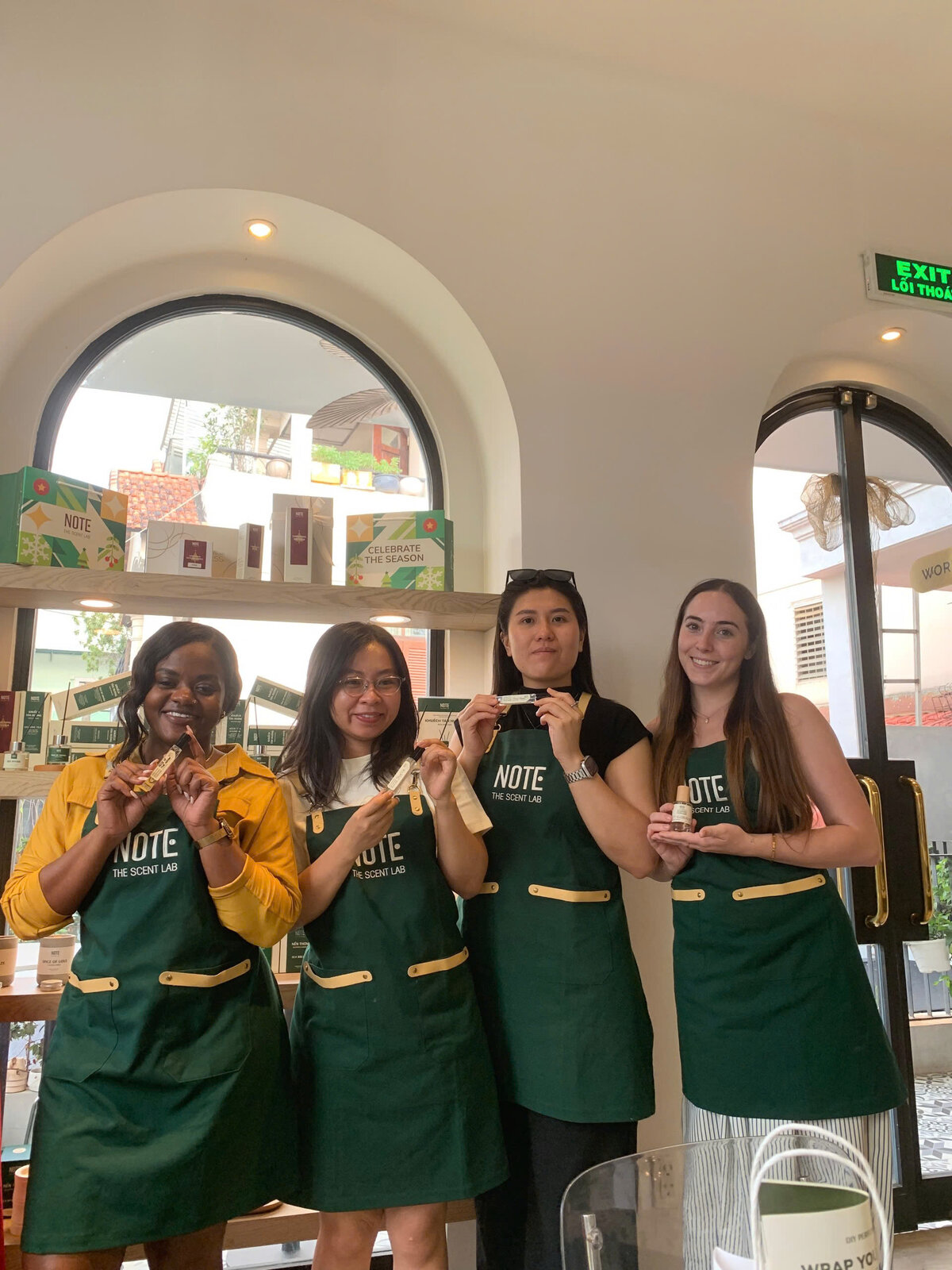
Over roughly 90 minutes, a workshop instructor walks you through the architecture of fragrance — top notes, heart notes, base notes — not as a lecture, but as a conversation. You smell. You react. You learn to trust your nose. Then you build something: your own Eau de Parfum, mixed from 30+ professional-grade ingredients that include Vietnamese specialties like lotus, cinnamon, and agarwood. The result is a bottle that smells like nobody else’s. They save your formula on a card, so you can reorder it later.
What makes this different from, say, a candle-pouring class in Brooklyn or a soap workshop in Kyoto? Precision. The ingredients are IFRA-certified. The instructors are trained perfumers who adjust their guidance to your instincts — not a script. And the setting matters: you’re creating something intensely personal while Saigon hums four stories below.
“Creating your own signature perfume is just such a nice and unique experience. Vy guided us through the process and was a very lovely person. I would recommend this to everyone who loves perfumes or needs a gift for a loved one.”
— Rhea L, TripAdvisor (April 2026)
NOTE has three locations: the iconic 42 Nguyen Hue studio in District 1, a second studio at 34 Nguyen Duy Hieu in Thao Dien (Ho Chi Minh City’s leafy expat quarter), and a Hanoi outpost at Lotte Mall Westlake, Tay Ho. Pricing starts from 550,000 VND for a 10ml bottle (before 8% VAT), with larger sizes — 20ml, 30ml, 50ml — for those who want more.
“I wandered in — I was actually looking for a different store, but the ambiance was so nice I decided to just do the fragrance workshop. Vy and Sofia were very patient and helpful.”
— Passenger18803900126, TripAdvisor (March 2026)
The best part? You leave with something no market stall or souvenir shop can replicate — a scent that is, quite literally, yours. Every time you wear it, Vietnam comes back. Not as a photograph. As a feeling.
2. Take a Street Food Cooking Class in Someone’s Home
Vietnam’s food scene doesn’t need an introduction. But eating pho and banh mi from a plastic stool — as wonderful as that is — keeps you on the outside of it. A home cooking class pulls you behind the curtain.
In Saigon and Hanoi, small-group classes run from local kitchens and rooftop spaces where the instructor is also the host, the shopper, and the storyteller. You start at a wet market — the real one, not the tourist-facing section — choosing herbs by smell, squeezing limes, watching the vendor slice a papaya with a cleaver that’s older than you. Then you cook. Spring rolls. Pho from scratch. Maybe a caramelized clay-pot fish that takes patience you didn’t know you had.
The difference between this and a restaurant meal? You understand why the fish sauce goes in at that exact moment. You feel the texture of rice paper softening between your fingers. And when you eat what you’ve made — standing in someone’s kitchen with the fan spinning overhead — the flavor is different. It’s yours.
3. Sleep on a Mekong Delta Homestay — Not a Tourist Boat
The Mekong Delta day trip from Saigon is fine. Coconut candy factory, boat ride, lunch, done. But the Mekong doesn’t reveal itself in eight hours. It reveals itself at 4:30 a.m., when you’re lying in a wooden house on stilts and the river sounds like it’s breathing beneath you.
Homestays in Ben Tre and Can Tho province offer something the tour buses miss: real time. You eat dinner with the family. You watch the grandmother weave. You wake up and paddle to a floating market where nobody is performing for tourists — they’re just selling fruit, the way they have for decades. The mangoes taste like mangoes are supposed to taste. The coffee is so strong it rewires your morning.
This is slow travel at its most honest. No Wi-Fi password taped to the wall. No minibar. Just the river, the heat, and a kind of silence that modern life has mostly forgotten.
4. Ride a Motorbike Through Vietnam’s Backroads
Everyone talks about the motorbike. It’s the cliche of Vietnam travel content — and it’s a cliche because it’s true. But the unique experience isn’t renting a Honda Wave and weaving through Saigon traffic (though that has its own wild charm). It’s getting out of the city entirely.
Guided motorbike tours through the northern highlands — Ha Giang, Mu Cang Chai, the Ma Pi Leng pass — take you through landscapes that don’t look real. Terraced rice paddies stacked like green stairways into clouds. Mountain roads where the only other traffic is a water buffalo and a woman carrying firewood. The air changes every few kilometers — warm valley haze gives way to pine-sharp mountain cold.
You don’t need to ride yourself. Experienced drivers take the handlebars while you sit behind, free to look around, to smell the woodsmoke from a Hmong village, to feel the temperature drop as you climb. It’s one of those best experiences in Vietnam that no photograph fully captures — you have to feel the wind.
5. Make Lanterns by Hand in Hoi An
Hoi An’s lanterns are everywhere — hanging from shopfronts, reflected in the Thu Bon River, glowing in every Instagram feed from central Vietnam. What most people don’t realize is that you can make one yourself.
Small workshops in the old town teach the craft the traditional way — bamboo frame, silk stretched and glued by hand, the whole thing assembled in about an hour. The instructors are often artisans who’ve been making lanterns for decades. There’s no assembly line. You choose the silk color, you shape the frame, and you leave with something that actually fits in your suitcase (barely).
The experience works because it slows you down. Hoi An moves fast for tourists — ancient town, beach, banh mi, boat ride, repeat. Sitting with a piece of silk and a bamboo frame forces you to pay attention to one thing. That’s rare in travel. That’s rare anywhere.
6. Get an Ao Dai Photoshoot in a Centuries-Old Setting
The ao dai — Vietnam’s flowing national dress — is one of those garments that photographs beautifully no matter who’s wearing it. Rental studios in Hanoi and Saigon offer everything: wardrobe, hair, makeup, and a photographer who knows exactly which temple courtyard catches the golden hour light.
In Hanoi, the best sessions happen at the Temple of Literature or around Hoan Kiem Lake at dawn. In Saigon, the old post office and Notre-Dame Cathedral provide that mix of French-colonial architecture and Vietnamese elegance that looks effortless on camera. Some studios offer prints; others send digital files within 24 hours.
Is it touristy? A little. Is it worth every minute? Absolutely. You’re not just wearing a costume — you’re stepping into a visual tradition that Vietnamese families have celebrated at weddings and holidays for generations. And unlike most vacation photos, these are ones you’ll actually frame.
7. Discover Vietnam’s Specialty Coffee Through a Cupping Session
Vietnam is the world’s second-largest coffee producer, and most travelers never get past ca phe sua da — iced coffee with condensed milk. It’s delicious. It’s also the tip of a very deep iceberg.
Specialty roasters in Saigon and Dalat now run cupping sessions — structured tastings where you sample single-origin Vietnamese beans from the Central Highlands. You learn to identify tasting notes (chocolate, fig, fermented fruit) and understand why Vietnamese robusta is earning respect from the same specialty coffee world that once dismissed it. Some sessions pair coffee with local chocolate for a sensory experience that connects two of Vietnam’s underappreciated agricultural treasures.
For travelers who’ve done a cooking class and a perfume workshop, a cupping session completes a kind of sensory trifecta — taste, smell, creation. Vietnam is one of the few places in the world where you can train all three in a single trip.
“One of the most pleasant and calming workshops I’ve ever attended. Great variety of scents — you truly create your own fragrance and get to name it.”
— Klook User DE, Klook (March 2026)
Why These Unique Experiences Matter More Than Sightseeing
There’s a shift happening in how people travel — from collecting sights to collecting skills. The data backs it up: experience tourism is growing at 8.1% annually, and 56% of travelers now use AI tools to find unique things to do in Vietnam that go beyond the standard itinerary. The seven experiences above aren’t popular because they’re trendy. They’re popular because they give you something a temple visit or a museum can’t — agency. You make something. You learn something. You leave different.
Vietnam is unusually good at this. The culture is hands-on — street food is cooked in front of you, tailors measure you on the spot, and perfumers invite you to smell your way through thirty ingredients before you commit to a formula. The country doesn’t just welcome tourists. It lets them participate.
If you’re planning a trip to Vietnam in 2026, build your itinerary around what you’ll create, not just what you’ll see. Your phone will fill up with the same photos everyone takes at Ha Long Bay. But the perfume you blended in a Saigon studio, the spring roll you learned to fold, the lantern you carried home from Hoi An — those are the things that stay.
Follow @note.workshop on Instagram for daily glimpses inside the studio. And if the perfume workshop is calling to you — most travelers say they wish they’d booked it earlier in their trip, so there’s no wrong day to start.
Frequently Asked Questions
Where can I find unique experiences in Vietnam that aren’t typical tourist traps?
Look beyond the standard itinerary. Perfume-making workshops, home cooking classes, Mekong Delta homestays, motorbike tours through the northern highlands, and specialty coffee cuppings offer hands-on experiences rooted in Vietnamese culture. The key is choosing activities where you create or learn something — not just observe.
How much does a perfume workshop at NOTE – The Scent Lab cost?
Pricing starts from 550,000 VND (~$22 USD) for a 10ml custom Eau de Parfum, with larger sizes available: 20ml for 1,000,000 VND, 30ml for 1,350,000 VND, and 50ml for 1,550,000 VND. All prices are before 8% VAT. The 90-minute workshop includes all materials, instruction, and your formula card.
Is a perfume workshop suitable for someone who knows nothing about fragrance?
Absolutely. Most participants have zero perfumery experience. The workshop instructors at NOTE guide you through every step — from understanding fragrance families to blending your final scent. Over 500 travelers have rated the experience 4.9 out of 5 stars.
What are the best off-the-beaten-path things to do in Vietnam in 2026?
For 2026, consider: creating a custom perfume in Saigon, staying overnight at a Mekong Delta homestay, riding a motorbike through Ha Giang’s mountain passes, taking a street food cooking class in a local home, or joining a Vietnamese specialty coffee cupping session. Each offers genuine cultural immersion beyond standard tourism.
Can I do a perfume workshop in both Saigon and Hanoi?
Yes. NOTE – The Scent Lab operates studios in both cities — two locations in Ho Chi Minh City (42 Nguyen Hue in District 1 and 34 Nguyen Duy Hieu in Thao Dien) plus one in Hanoi at Lotte Mall Westlake, Tay Ho. Many travelers book in both cities and compare their creations. Visit thescentnote.biz for the full brand story.
How far in advance should I book unique experiences in Vietnam?
For perfume workshops, cooking classes, and guided motorbike tours, booking 2-3 days ahead is recommended during peak season (October-March). Walk-ins are sometimes available, but securing your spot online ensures you get your preferred time slot. Book your perfume workshop at workshop.thescentnote.com/book.
Looking for a scent souvenir? NOTE also offers ready-made perfumes, home fragrances, and gift sets if you want to bring the experience home without the workshop. Browse the online store — popular picks include travel-size rollerballs and natural room sprays.
Find NOTE – The Scent Lab
- 42 Nguyễn Huệ — Get directions on Google Maps → · Read reviews on TripAdvisor
How to find us:
- 📍 42 Nguyễn Huệ — Watch direction video on TikTok →
Information in this article was accurate at the time of writing (April 2026). Opening hours, prices, and availability may change — we recommend double-checking with official sources before your visit.