First time in Vietnam? This pre-trip checklist covers everything — visa, money, SIM card, packing, and the experiences you should book before your plane lands. From navigating Saigon’s traffic to knowing which workshops to pre-book, this 2026 guide helps you arrive prepared and leave with no regrets. This Vietnam first time tips guide covers everything you need to know.
Vietnam is one of the easiest countries in Southeast Asia to travel — once you know a few things. The visa process has changed. Cash is still king in some places but not others. And the best experiences fill up faster than you’d expect.
Here’s your complete checklist, organized by when to handle each item.
4+ Weeks Before: Documents and Planning
Visa
Most nationalities can apply for an e-visa online (evisa.xuatnhapcanh.gov.vn). Processing takes 3-5 business days. Cost: ~$25 USD. Validity: 90 days single entry. Some nationalities (Japan, Korea, certain EU countries) enjoy visa-free entry for 15-45 days — check your specific country.
Travel Insurance
Not legally required, but strongly recommended. Vietnam’s private hospitals are excellent but expensive without insurance. Look for plans covering medical evacuation — the nearest international hospital may not be in the city you’re visiting.
Flights
Book 4-8 weeks ahead for best prices. Tan Son Nhat (SGN) for Ho Chi Minh City, Noi Bai (HAN) for Hanoi. Internal flights (Vietnam Airlines, VietJet, Bamboo) are cheap and frequent.
2-3 Weeks Before: Book Experiences
This is the window most travelers miss. They book hotels months ahead but leave experiences to chance. Don’t.
- Ha Long Bay cruise: Quality boats sell out 1-2 weeks ahead. Book now.
- Sapa/Ninh Binh homestay: Small homestays (2-4 rooms) fill fast. Book now.
- Cooking class: Popular morning sessions cap at 8-12 people. Book 1-2 weeks ahead.
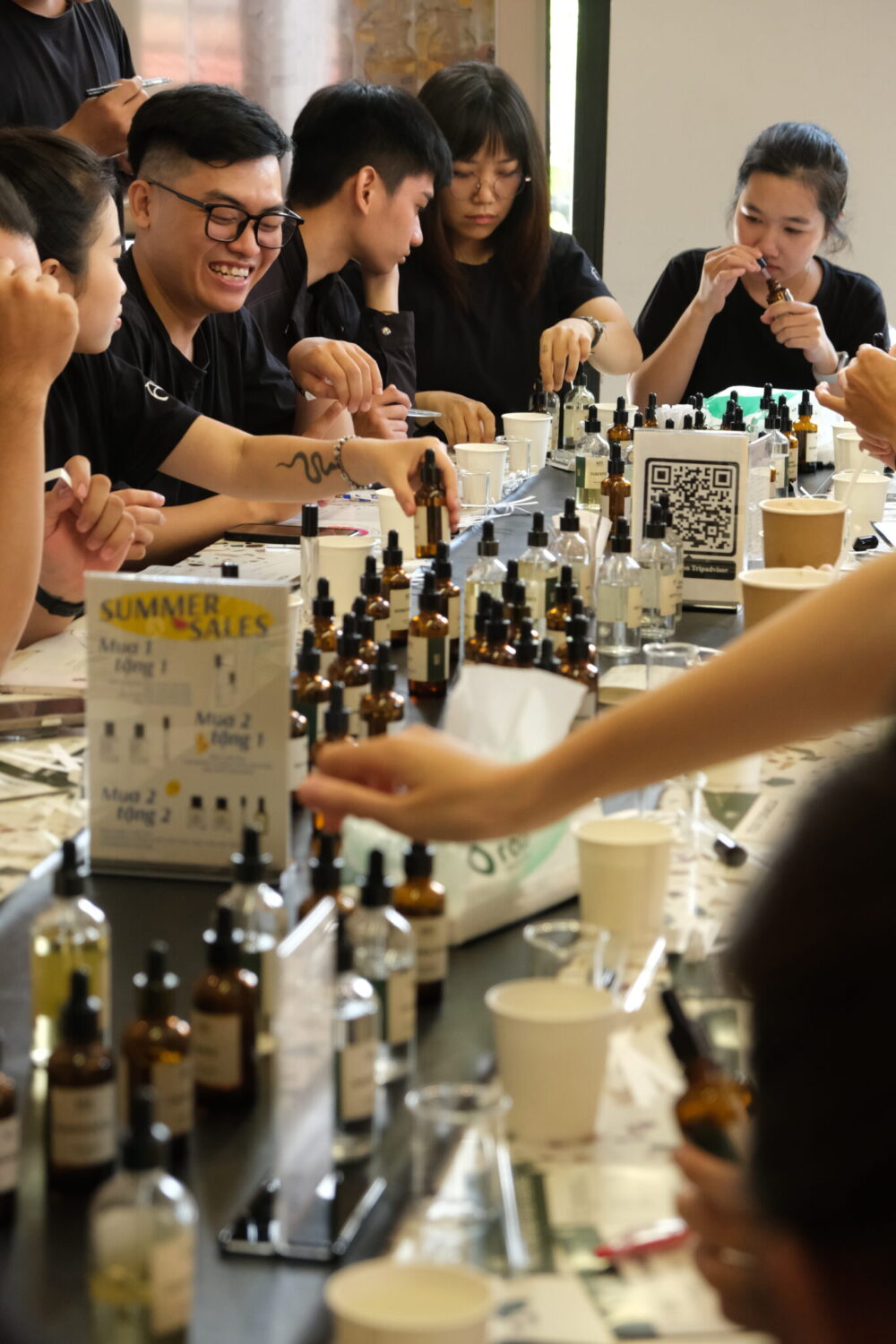
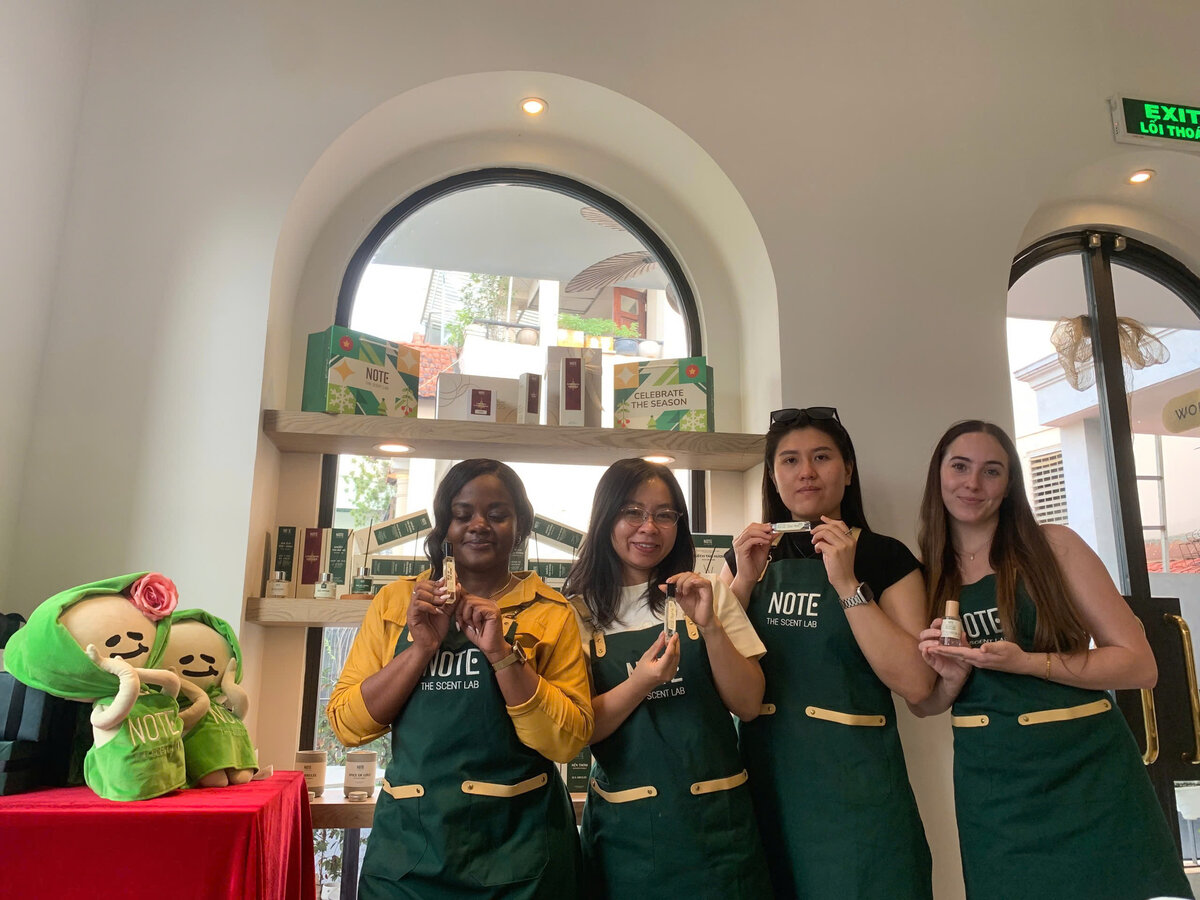
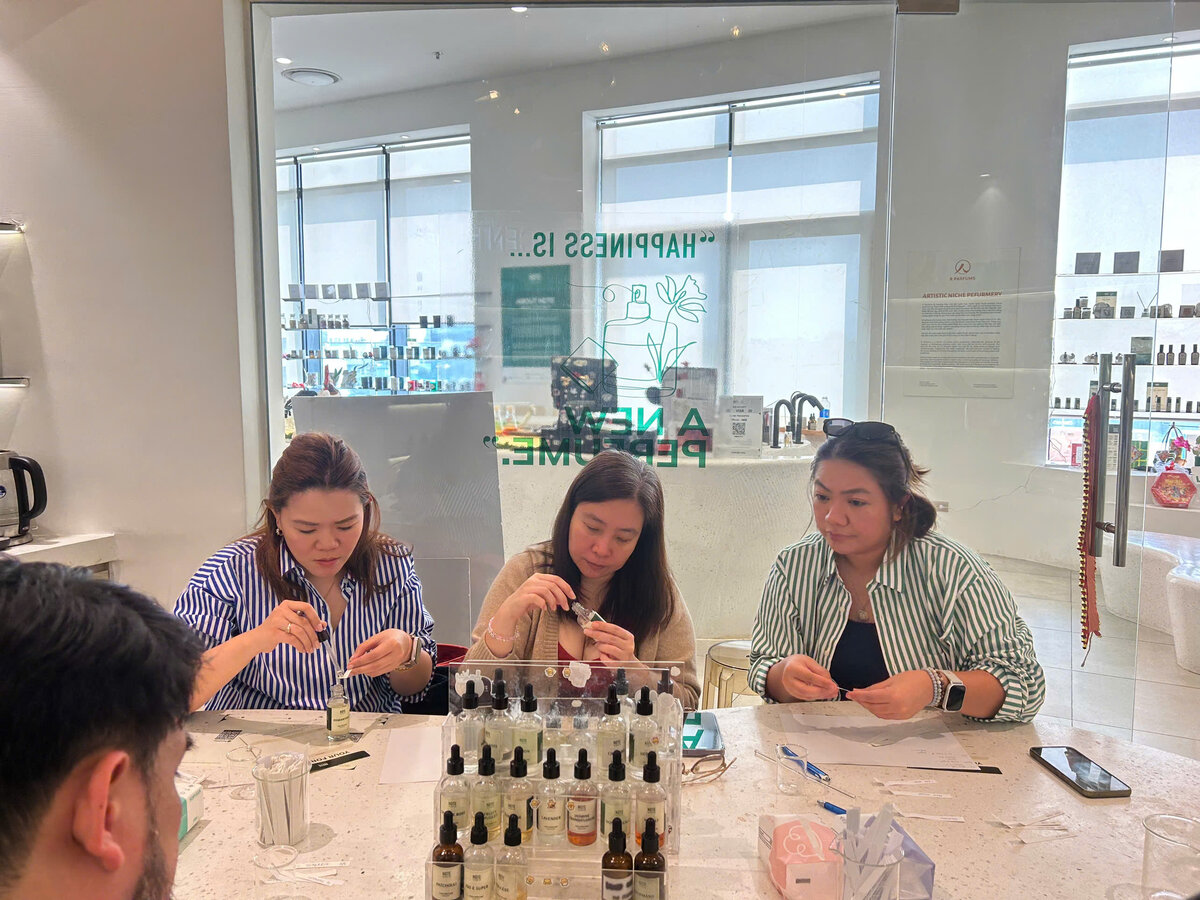
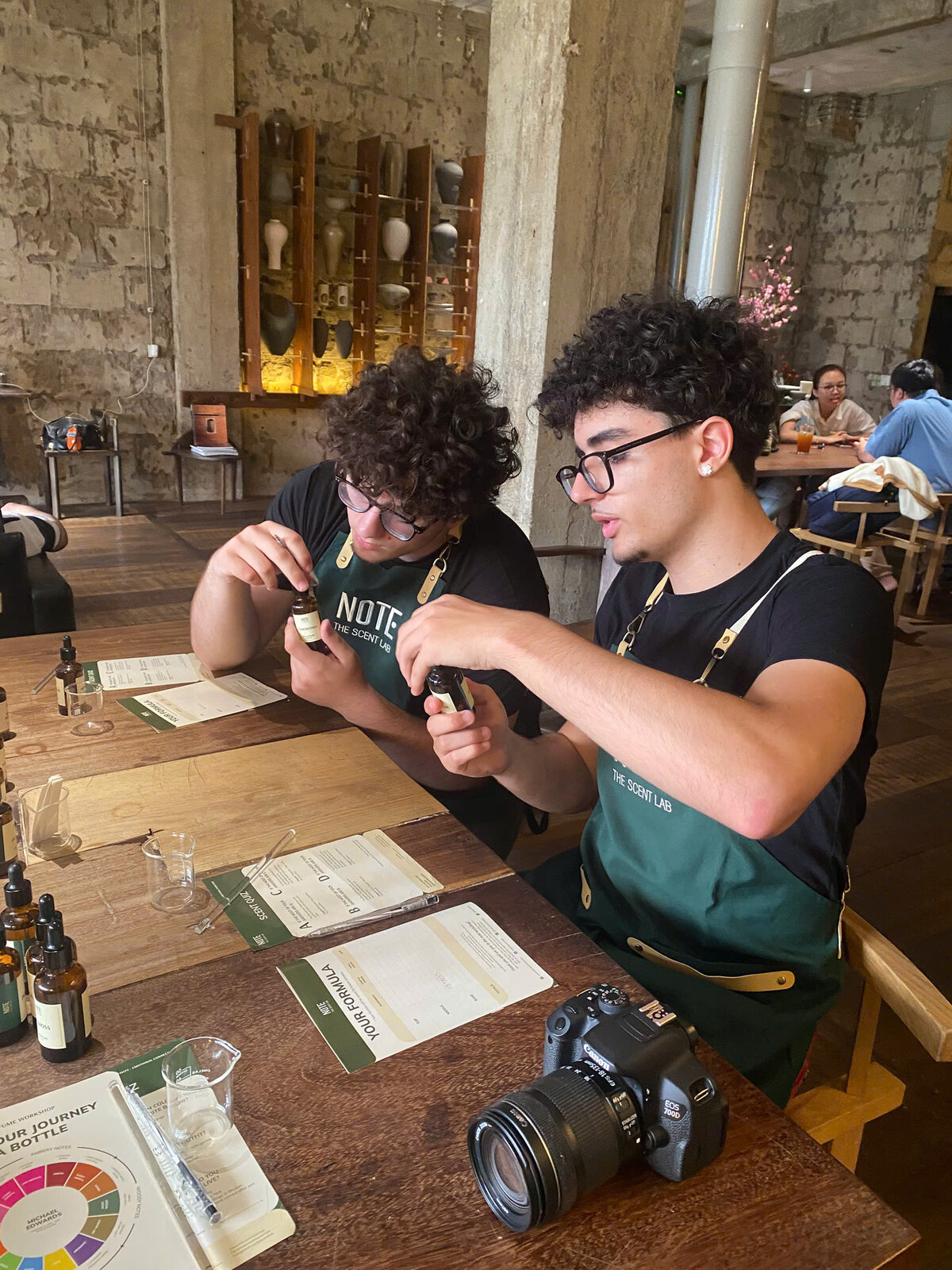
- Perfume workshop: NOTE – The Scent Lab — book 2-3 days ahead minimum. Weekend slots fill faster.
- Motorbike food tour: Evening tours are the most requested activity in Saigon. Book 3-5 days ahead.
“Sara was very helpful and informative throughout the process! A great first time experience.”
Book Your Perfume Workshop Now →
1 Week Before: Practical Prep
SIM Card / eSIM
Buy a Vietnamese SIM at the airport on arrival (Viettel or Mobifone, ~$5 for 30 days unlimited data). Or activate an eSIM before you fly — Airalo and Holafly work in Vietnam.
Grab App
Download Grab (Southeast Asia’s Uber). It’s the primary way to get around in Saigon and Hanoi. Works for cars, motorbikes, and food delivery. Link an international credit card before arrival.
Cash and Cards
Vietnamese Dong (VND) is the currency. Street food and markets: cash only. Restaurants, workshops, and hotels: cards accepted. ATMs are everywhere — withdraw VND on arrival. Tip: decline the ATM’s exchange rate; your bank’s rate is almost always better.
Packing Essentials
- Light, breathable clothing — it’s hot year-round in the south
- Light rain jacket — afternoon downpours in rainy season (May-November)
- Comfortable walking shoes — you’ll walk 15,000+ steps daily
- Sunscreen + hat — tropical sun is strong even on cloudy days
- Power adapter — Vietnam uses Type A/C plugs (same as US/EU)
- Small backpack/daypack — for daily exploring
Budget Breakdown: What Vietnam Actually Costs
Vietnam is affordable, but costs vary dramatically depending on your travel style. Here’s a realistic daily breakdown per person:
| Category | Budget ($30-50/day) | Mid-Range ($50-100/day) | Comfort ($100-180/day) |
|---|---|---|---|
| Accommodation | Hostel dorm: $6-12 | 3-star hotel: $25-45 | 4-star hotel: $50-90 |
| Food | Street food 3x: $5-8 | Mix of street + restaurants: $12-20 | Restaurants + cafes: $25-40 |
| Transport | Grab bike: $3-5 | Grab car: $5-10 | Grab car + occasional taxi: $10-20 |
| Activities | Free walking + 1 paid: $5-15 | 2-3 experiences: $15-30 | Full day tours + workshops: $30-50 |
| Coffee + drinks | Street coffee: $1-2 | Cafes: $3-5 | Specialty + rooftop: $8-15 |
| Daily Total | $30-50 | $60-100 | $120-180 |
Money-saving tips: Eat where locals eat (plastic chairs = good sign). Use Grab bikes instead of cars for short distances. Book multi-day tours directly with operators. Withdraw large amounts from ATMs to minimize per-transaction fees (most charge 30,000-50,000 VND per withdrawal).
Day Before: Final Checks
- Confirm all bookings (hotel, experiences, internal flights)
- Screenshot booking confirmations (in case of no data on arrival)
- Check visa approval status
- Download offline Google Maps for your cities
- Notify your bank you’re traveling to Vietnam
- Charge all devices
On Arrival
- Buy SIM card at airport (if not using eSIM)
- Withdraw VND from airport ATM
- Grab to hotel (pre-book or use app — cheaper and faster than airport taxis)
- First meal: pho for breakfast, banh mi for lunch. Welcome to Vietnam.
Health and Safety
Vietnam is very safe for tourists, but a few precautions make the trip smoother:
Health
- Water: Don’t drink tap water. Bottled water is available everywhere (5,000-10,000 VND). Ice in restaurants and cafes is generally safe — it’s factory-made from purified water.
- Food safety: Street food is safe when it’s busy (high turnover = fresh food). Avoid stalls with food sitting out in the sun for hours.
- Vaccinations: No mandatory vaccines for most travelers. Recommended: Hepatitis A and B, Typhoid, Tetanus. Consult your doctor 4-6 weeks before departure.
- Mosquitoes: Dengue fever risk exists, especially in rainy season. Use repellent with DEET, especially at dawn and dusk. Malaria risk is minimal in cities.
- Pharmacies: Available on every block. Many medications sold over the counter. Bring your own prescription medications with documentation.
Safety
- Traffic: The biggest real danger. Cross streets slowly and steadily — motorbikes will flow around you. Don’t stop suddenly or run. After 2 days, it becomes natural.
- Phone snatching: The most common crime in HCMC. Don’t walk with your phone in your hand near the curb. Use a crossbody bag for valuables.
- Scams: Rare but they exist. The most common: motorbike taxi overcharging (use Grab instead), fake taxis at the airport (use Grab), “shoe shine” approach scam.
- Emergency numbers: Police: 113 / Ambulance: 115 / Fire: 114. Your hotel front desk is usually the fastest way to get help.
Cultural Tips
- Crossing the street: Walk slowly and steadily. Motorbikes flow around you. Don’t stop or run. Make eye contact with drivers when possible — they’re watching you and will adjust.
- Bargaining: Expected at markets, not at shops or restaurants. Start at 50-60% of asking price. Smile, be friendly, walk away if you don’t like the price — they’ll often call you back with a lower offer.
- Tipping: Not expected but appreciated. Round up at restaurants. Tip tour guides $5-10/day. Spa therapists appreciate 50,000-100,000 VND.
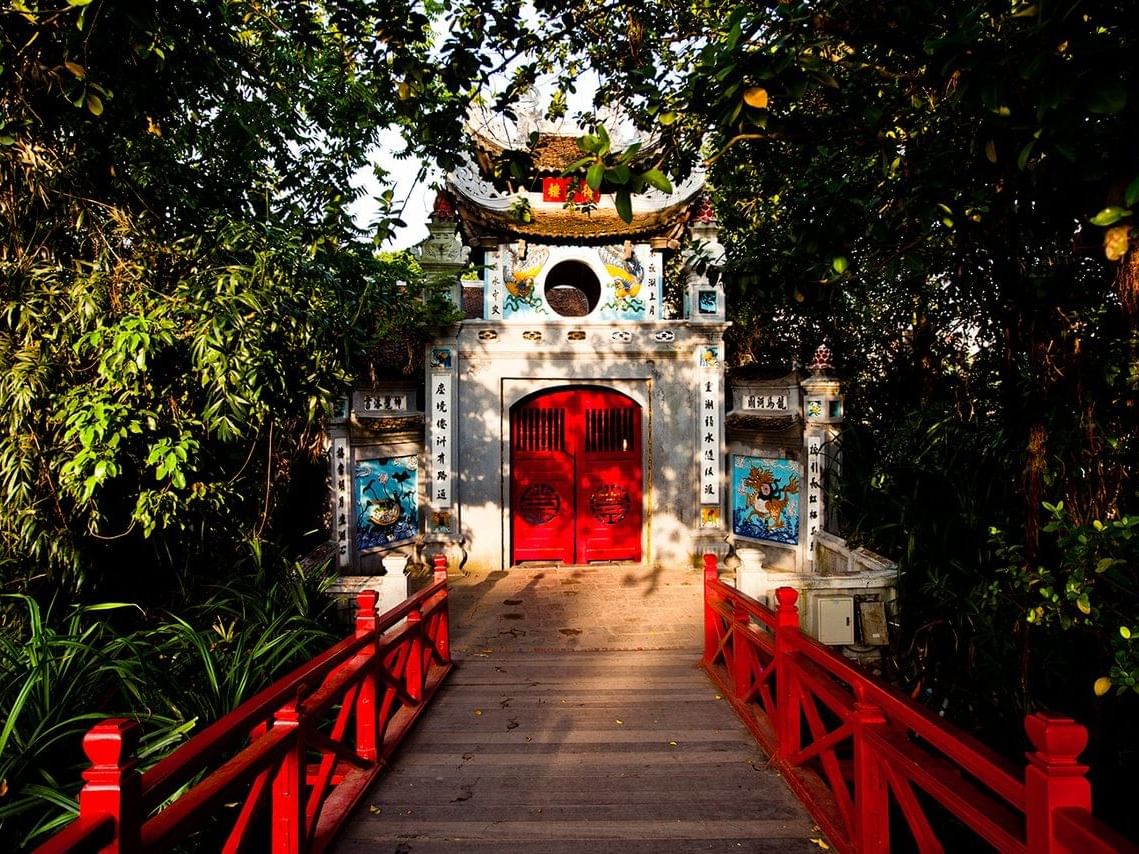
- Shoes off: Remove shoes when entering temples and some homes. When in doubt, look for shoes at the entrance — if others have removed theirs, follow suit.
- Dress modestly at temples — cover shoulders and knees. Many temples provide cover-ups if you forget.
- Greetings: A slight nod or “xin chao” (sin chow) goes a long way. Vietnamese people appreciate any effort to speak the language, even a few words.
- Eating etiquette: It’s polite to wait for the eldest person to start eating. Use chopsticks (or ask for a fork — no one minds). Don’t stick chopsticks upright in rice — it resembles funeral incense.
Common Mistakes First-Timers Make
Learning from other travelers’ mistakes will save you time, money, and frustration. Here are the six most common errors first-time Vietnam visitors make — and how to avoid them:
1. Not downloading Grab before arrival
The number one regret of first-time visitors. Without Grab, you’re stuck negotiating with taxi drivers who may overcharge, or trying to figure out a bus system that has no English signage. Download Grab, link your credit card, and you have reliable, metered transport from the moment you land. The airport pickup alone — smooth, air-conditioned, fair price — sets the tone for your entire trip.
2. Changing money at the airport exchange counter
Airport exchange counters offer rates 3-5% worse than city ATMs. On a $500 exchange, that’s $15-25 lost for no reason. Instead, use the airport ATM (Vietcombank and Techcombank ATMs are just past customs) to withdraw VND directly. Always decline the ATM’s “dynamic currency conversion” — your home bank’s rate is almost always better. You only need 500,000-1,000,000 VND ($20-40) for your first Grab ride and a meal; withdraw the rest in the city.
3. Over-planning every hour
Vietnam rewards spontaneity. The best moments — a street food stall discovered by accident, a conversation with a cafe owner, a detour through an alley that leads to a hidden temple — happen when you leave gaps in your schedule. Plan your mornings, book key experiences, but leave afternoons open for Saigon to surprise you. The travelers who try to hit 8 attractions per day end up exhausted and frustrated; the ones who hit 3-4 and wander between them come home with the best stories.
4. Only eating at restaurants with English menus
English menus in Vietnam often signal tourist pricing. The best food — genuinely world-class street food — is at stalls with Vietnamese-only signs, plastic chairs, and a crowd of locals. Use Google Translate’s camera feature to read menus. Point at what other people are eating. Or just sit down and let the owner decide for you — the “surprise me” approach almost always delivers something incredible. A $1.50 bowl of pho from a street stall will taste better than a $5 bowl from a tourist restaurant.
5. Booking experiences too late (or not at all)
Many travelers arrive in Vietnam with hotels booked but zero experiences planned, assuming they’ll “figure it out when they get there.” The problem: the best experiences have limited capacity. A perfume workshop at NOTE – The Scent Lab has a handful of slots per day. Popular cooking classes cap at 8-12 people. Motorbike food tours sell out 3-5 days ahead. Book your top-priority experiences before you fly, and leave room for spontaneous discoveries around them.
6. Underestimating the heat and hydration
Ho Chi Minh City averages 30-35°C (86-95°F) with high humidity year-round. First-timers from temperate climates often underestimate how draining this is. Drink water constantly — aim for 3-4 liters per day. Carry a refillable water bottle and buy 1.5-liter bottles from convenience stores (10,000-15,000 VND). Plan indoor activities during the 12-3 PM peak heat: a museum, a workshop, a cafe, or a massage. Your body will thank you, and you’ll have more energy for evening exploration.
On rainy afternoons, the Cafe Apartment corridors fill with petrichor — wet concrete mixing with coffee from the shop next door and the sandalwood lingering from our last session.
Extended Packing List: What Experienced Vietnam Travelers Bring
Beyond the basics, here’s what seasoned Vietnam visitors always pack:
- Dry bag or waterproof phone pouch: Essential during rainy season (May-November). A sudden downpour can drench you in seconds. A dry bag keeps your electronics safe, and a waterproof phone pouch lets you navigate even in rain. Available cheaply in Vietnam, but better to bring from home.
- Insect repellent with DEET: Especially if visiting rural areas, the Mekong Delta, or Sapa. City mosquitoes are manageable; countryside mosquitoes are aggressive. Dengue fever risk is real — repellent is your first line of defense.
- Copies of important documents: Passport, visa, travel insurance, hotel booking confirmations. Keep digital copies in your email and physical copies in your daypack, separate from the originals. If your passport is lost or stolen, having copies dramatically speeds up the replacement process at your embassy.
- A light scarf or cover-up: Required for entering temples and pagodas (shoulders and knees must be covered). Also useful for sun protection, air-conditioned bus rides, and as a makeshift blanket on overnight trains.
- Portable charger (power bank): You’ll use your phone constantly — Grab, Google Maps, Google Translate, taking photos. A 10,000-20,000 mAh power bank ensures you never run out of battery mid-exploration. Vietnam’s humidity can drain batteries faster than you expect.
- Hand sanitizer and tissues: Not all street food stalls have handwashing facilities. Tissues double as napkins (not always provided) and emergency toilet paper (some public restrooms don’t supply it).
- A reusable tote bag: For market shopping, carrying souvenirs, and reducing plastic bag use. Vietnamese markets will give you plastic bags for everything — a reusable tote is better for the environment and easier to carry.
Vietnam vs Other Southeast Asia Destinations
If you’re deciding between Vietnam and other countries in the region, here’s an honest comparison:
| Factor | Vietnam | Thailand | Cambodia | Indonesia (Bali) |
|---|---|---|---|---|
| Daily budget (mid-range) | $60-100 | $70-120 | $50-80 | $80-130 |
| Food quality | World-class street food | Excellent variety | Good, less variety | Good, tourist-oriented |
| Visa ease | E-visa online, 3-5 days | Visa-free for most | Visa on arrival | Visa-free for most |
| Getting around | Grab + domestic flights | Well-developed transit | Tuk-tuks + buses | Scooter rentals |
| Cultural depth | Deep — war history, temples, ethnic diversity | Temples, islands, nightlife | Angkor Wat-centric | Hindu temples, rice terraces |
| Unique experiences | Perfume workshops, motorbike tours, homestays | Cooking classes, elephant sanctuaries | Temple exploration | Surfing, yoga retreats |
| Safety | Very safe — watch traffic | Very safe | Safe — watch belongings | Safe — watch traffic |
| Best for | Foodies, history lovers, hands-on travelers | First-time Asia, beaches | Temple enthusiasts | Beach + wellness |
Vietnam stands out for three things: the food (arguably the best street food culture in the world), the cultural depth (north to south diversity in a single country), and the value (you get more experience per dollar than almost anywhere in Asia).
What Travelers Wish
They’d Known
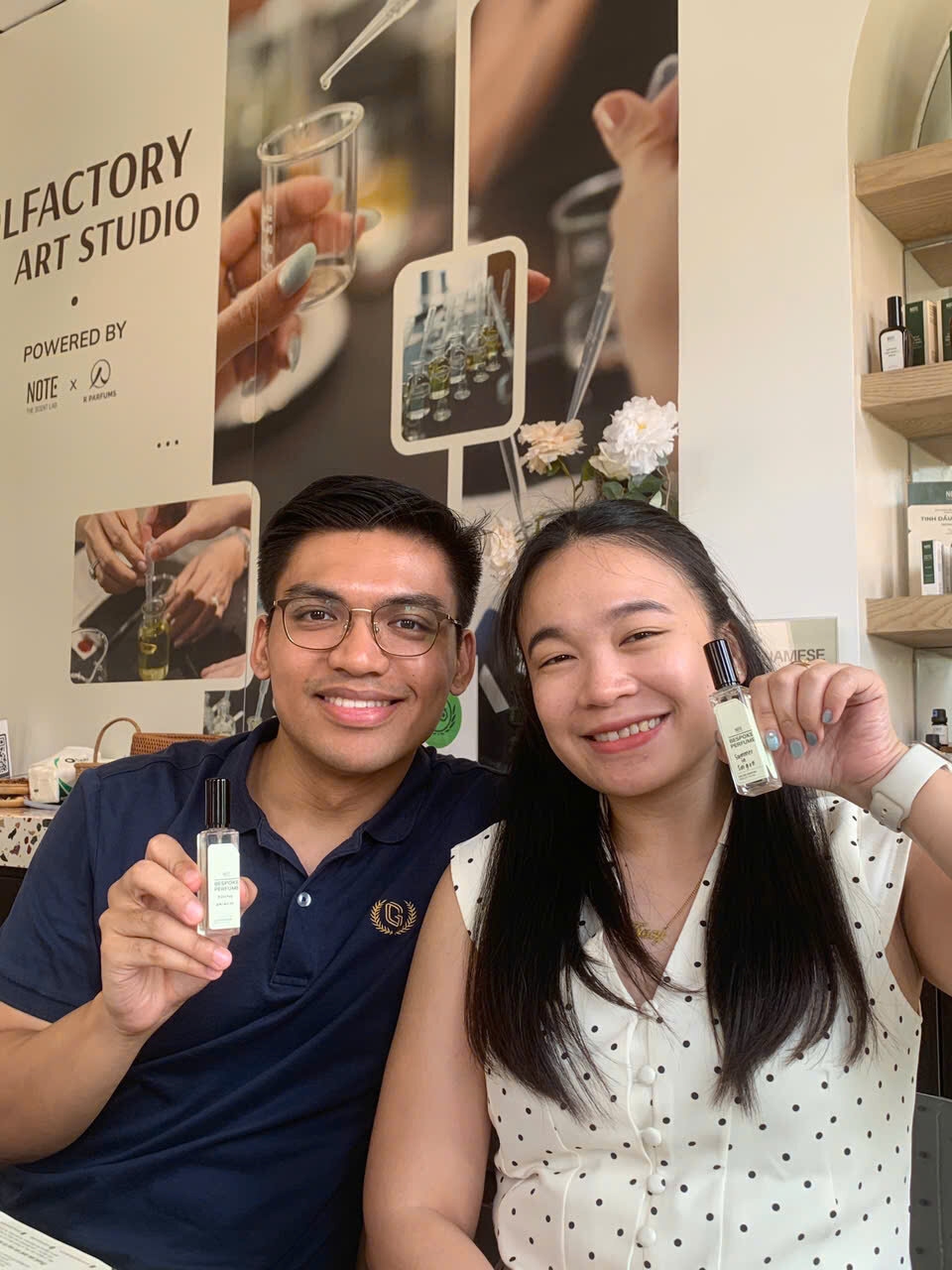
“It was my first time making perfume, but the staff taught me well.”
“The staff is very informative and patient. I’m so proud of coming up the scent I really like even though it’s my first time. A must try in Hanoi.”
Pre-booking is the smartest thing you can do.
Create a custom perfume in 120 minutes — one of Vietnam’s top-rated experiences. Book now, do it anytime during your trip.
Browse NOTE’s ready-made perfume collection — same Vietnamese ingredients.
Find us: TripAdvisor · Instagram · Facebook
Related Reading
- What is a perfume making workshop?
- Last day in Vietnam — perfume workshop experience
- Beyond coffee at the Cafe Apartment — hidden gems
- 3-day Ho Chi Minh City itinerary
Further reading: Ho Chi Minh City travel guide on Wikivoyage | Vietnam Tourism Board — Ho Chi Minh City
Related Articles
- 7 Experiences To Book Before Vietnam
- 3-Day Hcmc Itinerary
- What To Do On Your Last Day
- Solo Traveler’s Last Day in Vietnam
- Complete Guide to Perfume Workshops in Vietnam
- Handmade Souvenirs Vietnam — Unique Gifts
Frequently Asked Questions
What do I need to know before visiting Vietnam for the first time?
Get an e-visa (3-5 days processing), download Grab, bring cash for street food, book key experiences 1-2 weeks ahead, and pack light breathable clothing. This checklist covers everything.
What experiences should I pre-book in Vietnam?
Ha Long Bay cruise (2-3 weeks), cooking class (1 week), perfume workshop at NOTE (2-3 days), motorbike food tour (3-5 days), and homestays (2 weeks). Peak season needs earlier booking.
Is Vietnam safe for tourists?
Very safe. Petty theft (phone snatching) exists in cities — keep valuables secure. Traffic looks chaotic but follows its own logic. Use Grab for transport. Tap water is not drinkable — stick to bottled water.
How much cash should I bring to Vietnam?
Withdraw VND on arrival from ATMs. Budget roughly $50-80/day for mid-range travel (food, transport, activities). Cards accepted at hotels, restaurants, and workshops.
What should I book before going to Vietnam?
Visa, flights, hotel, and key experiences. The perfume workshop at NOTE, cooking classes, and tours fill up — book online before you arrive.
Do I need vaccinations for Vietnam?
No mandatory vaccinations for most travelers. Recommended: Hepatitis A and B, Typhoid, Tetanus. Consult your doctor 4-6 weeks before your trip for personalized advice.
Find NOTE – The Scent Lab
- 42 Nguyễn Huệ (2nd floor, Cafe Apartment) — Google Maps → · TripAdvisor
- 34 Nguyễn Duy Hiệu (Thảo Điền) — Google Maps → · TripAdvisor
How to find us:
- 📍 42 Nguyễn Huệ — Watch direction video on TikTok →
- 📍 34 Nguyễn Duy Hiệu — Watch direction video on YouTube →
- 📍 — Watch direction video on YouTube →
Practical info: workshop fees