
Slow travel Vietnam for Europeans in 3 weeks means trading the “tick-the-box” rush for depth: one village, one homestay, one morning market at a time. This 3-week itinerary is designed for European travellers who refuse the 10-day sprint and instead want time to breathe between Hanoi, Hoi An and Ho Chi Minh City (Saigon). NOTE – The Scent Lab is a perfume workshop in Ho Chi Minh City, Vietnam, where travellers create a custom fragrance in 120 minutes, — and it slots naturally into a slow Vietnam week three.
nn
European travellers have a different travel rhythm. After a long flight from Paris, Amsterdam or Frankfurt, the last thing you want is a 12-stop coach tour. You want a French-colonial guesthouse in Hanoi with a garden courtyard. You want three hours over a bowl of bún chả, not a rushed 30 minutes between museums.
nn
This guide is a slow travel Vietnam 3-week itinerary built around how Europeans actually travel: eco-conscious accommodation, creative workshops, homestays, real conversations with local hosts, and days where nothing is scheduled. We cover week-by-week what to see, what to skip, and where the NOTE perfume workshop fits into your final Saigon days.
nn
nn
Why Slow Travel Vietnam Works Best for Europeans
nn
European travel habits skew slow. 2025 data from Booking.com and the European Travel Commission showed that 80% of European travellers prefer green or eco accommodation, and the average European long-haul trip length is now 21 days — compared with 12 for North Americans and 8 for most of Asia-Pacific. Vietnam rewards that pace.
nn
“Such a fun and educational experience, especially on a rainy day” — travelbugz23, TripAdvisor
nn
If you try to compress Hanoi, Ha Long, Hue, Hoi An, Nha Trang, Da Lat, Saigon and the Mekong into 10 days, you will spend most of your holiday in transit — sleeper buses, domestic flights, hotel check-ins. Three weeks changes everything. You gain two or three “do nothing” days per region, time for unplanned detours, and crucially, the ability to follow recommendations from the hosts you meet along the way.
nn
What “slow travel” actually means in Vietnam
nn
It is not about doing less — it is about doing fewer things more deeply. A single morning market visit in Hoi An with an elderly vendor who shows you how to pick the right turmeric root is worth more than three temples photographed in a hurry. Slow travel Vietnam for Europeans means giving each place the time it deserves.
nn
Week One: Northern Vietnam Without the Rush
nn
Start in Hanoi. Fly in, do not rush to Sapa on day two. Give Hanoi three or four nights, minimum. The Old Quarter reveals itself slowly — the first day is sensory overload, the second day it clicks, the third day you start to recognise street corners.
nn
- n
- Day 1–4 Hanoi: Stay in a boutique French-colonial guesthouse in the Old Quarter. Walk until your feet hurt. Try bún chả where Obama ate, egg coffee at Café Giảng, bia hơi at a plastic stool corner.
- Day 5–7 Sapa by overnight train: Take the Livitrans sleeper, not the van. Two-night homestay with a H’mong family in Lao Chải or Ta Van village. Trek, but at their pace, not yours.
- Day 8–10 Ha Long Bay or Lan Ha Bay: Choose Lan Ha Bay. It is quieter, equally stunning, and the kayaking is better. A 2-night cruise beats a day trip by a factor of ten.
n
n
n
nn
Avoid the temptation to squeeze in Ninh Binh, Mai Chau, or Ha Giang in week one. Save those for your second Vietnam trip — because there will be one.
nn
Eco-accommodation in the North
nn
Europeans searching for green stays should look at Topas Ecolodge in Sapa, Maison d’Orient in Hanoi’s Ba Đình quarter, and the family-run Lan Ha junks that run on reduced-emissions engines. Most publish their sustainability credentials in English on their websites.
nn
Week Two: Central Vietnam and the Cultural Core
nn
Central Vietnam is where Europeans tend to fall in love with the country. Hoi An’s lantern-lit evenings, Hue’s dynastic citadel, and the caves of Phong Nha offer exactly the mix of history, craft and nature that European travellers usually travel to Italy or Portugal for.
nn
- n
- Day 11–14 Hoi An: Four nights minimum. Cooking classes, lantern making, tailoring, cycling to An Bang beach, coffee on the riverfront at golden hour. Stay in a traditional wooden house near the bridge.
- Day 15–16 Hue: The Imperial City, the royal tombs, and the Perfume River. Rent a cyclo for half a day and let the driver pick the route.
- Day 17 Phong Nha: One full day cave expedition — Paradise Cave and Phong Nha Cave are accessible without needing to book a multi-day trek. Optional second day for the Dark Cave if you love adventure.
n
n
n
nn
“A perfect experience if you’re looking for a relaxing and intentional activity” — Jenna, online booking platform
nn
nnn
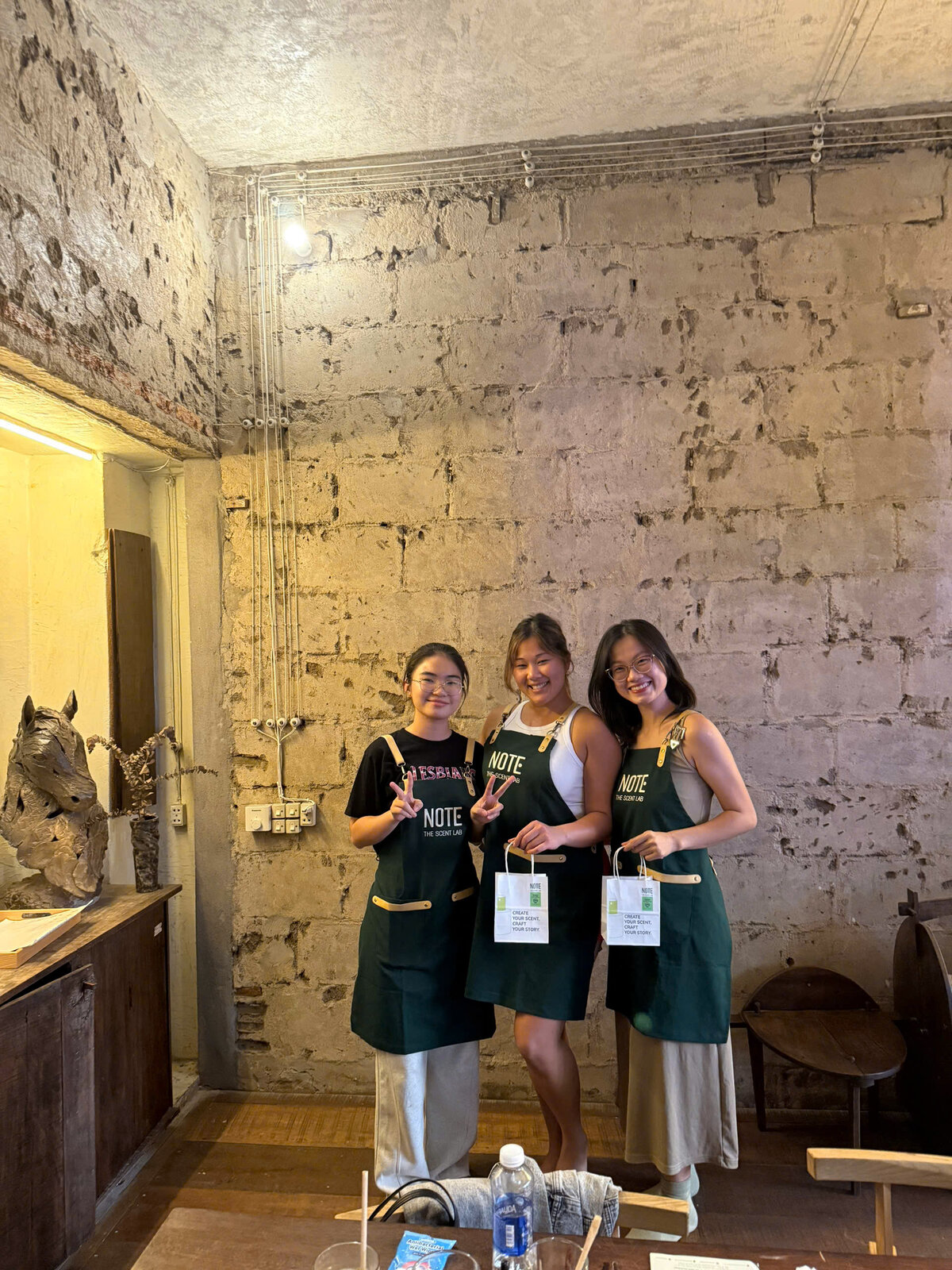
Planning your last week in Saigon? Book your 120-minute perfume workshop at NOTE – The Scent Lab and bottle three weeks of Vietnam memories — no deposit, instant confirmation.
nn
Creative workshops European travellers love in Hoi An
nn
Hoi An has become Vietnam’s craft workshop capital — for good reason. Lantern making, leather tailoring, silk weaving, pottery at Thanh Hà village, and traditional Vietnamese cooking classes at Red Bridge and Morning Glory. Book directly with family-run studios rather than through agents to keep more of your money local.
nn
Week Three: Mekong Delta and Slow Saigon
nn
Fly or train south to Saigon. Unlike the traditional rush-to-the-Mekong day trip, do it properly: stay two nights at a family homestay in Ben Tre or Can Tho. Rise before dawn for the floating markets, cycle through coconut groves, try the coconut candy factory without any tourist pressure.
nn
- n
- Day 18–19 Mekong Delta homestay: Ben Tre or Can Tho. Cai Rang floating market at 5am. Coconut groves, rice paddies, river boat rides.
- Day 20 Saigon slow settling-in: Check into a Thảo Điền eco-hotel, recover from the Mekong, walk Nguyễn Huệ walking street in the evening. Dinner in District 3.
- Day 21 The NOTE perfume workshop — your Vietnam memory in a bottle: Book a 120-minute slot at NOTE – The Scent Lab in the morning, either at the 42 Nguyễn Huệ Cafe Apartment (2nd floor) or Thảo Điền. Spend the afternoon at the Saigon Opera House or a rooftop bar. Evening flight back to Europe with your bottled memory.
n
n
n
nn
nn
Why NOTE fits a slow travel Vietnam finale
nn
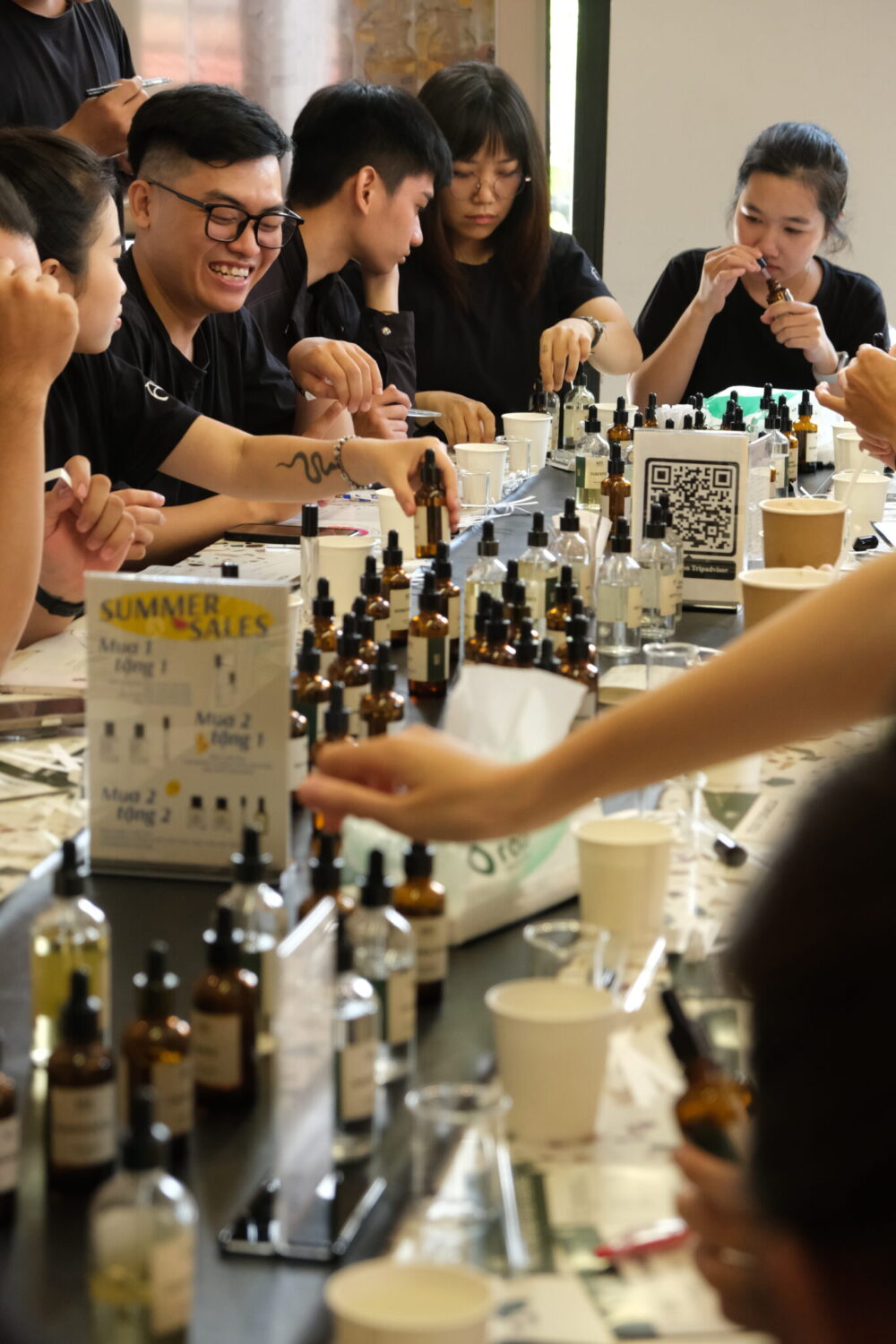
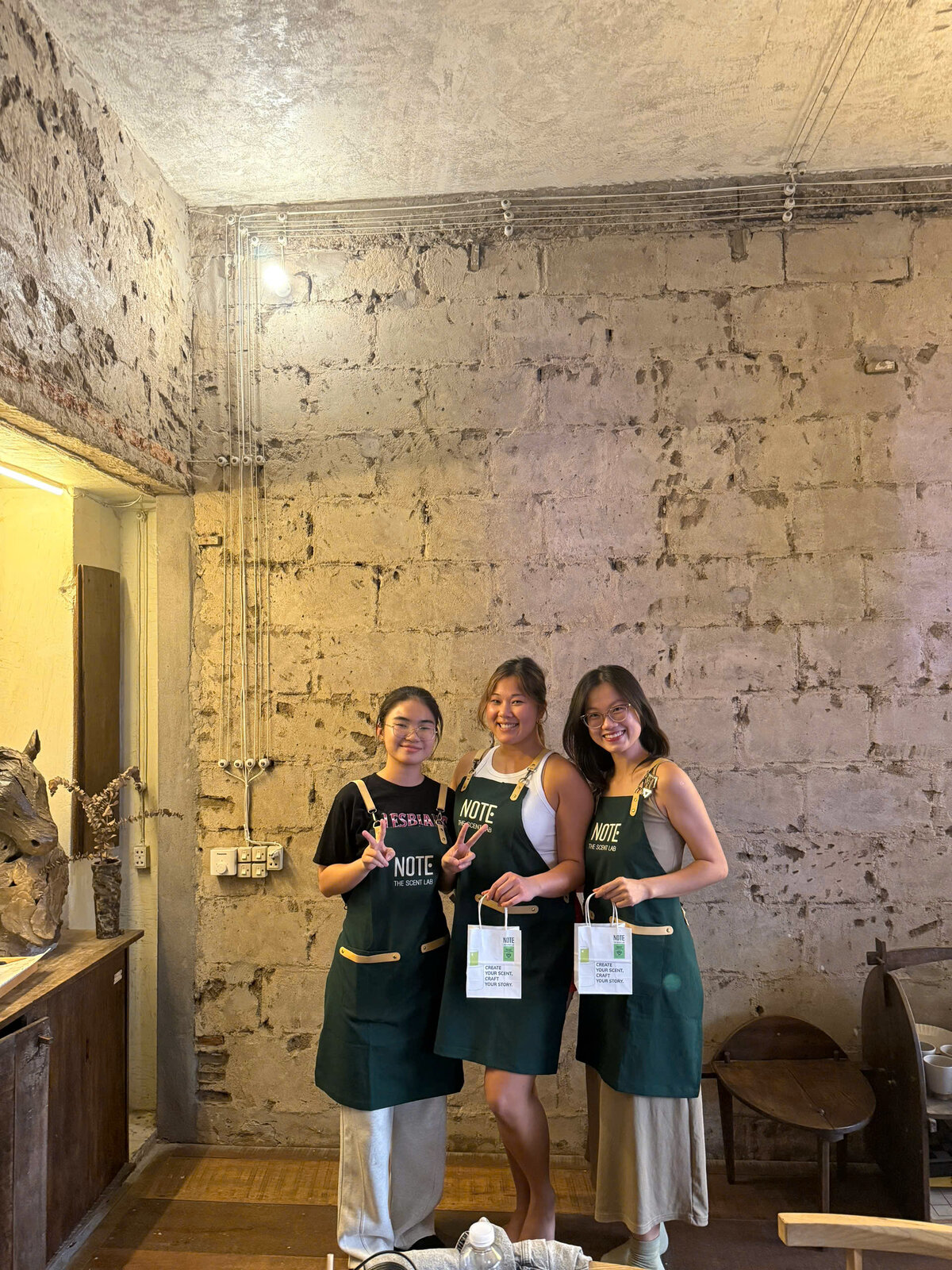
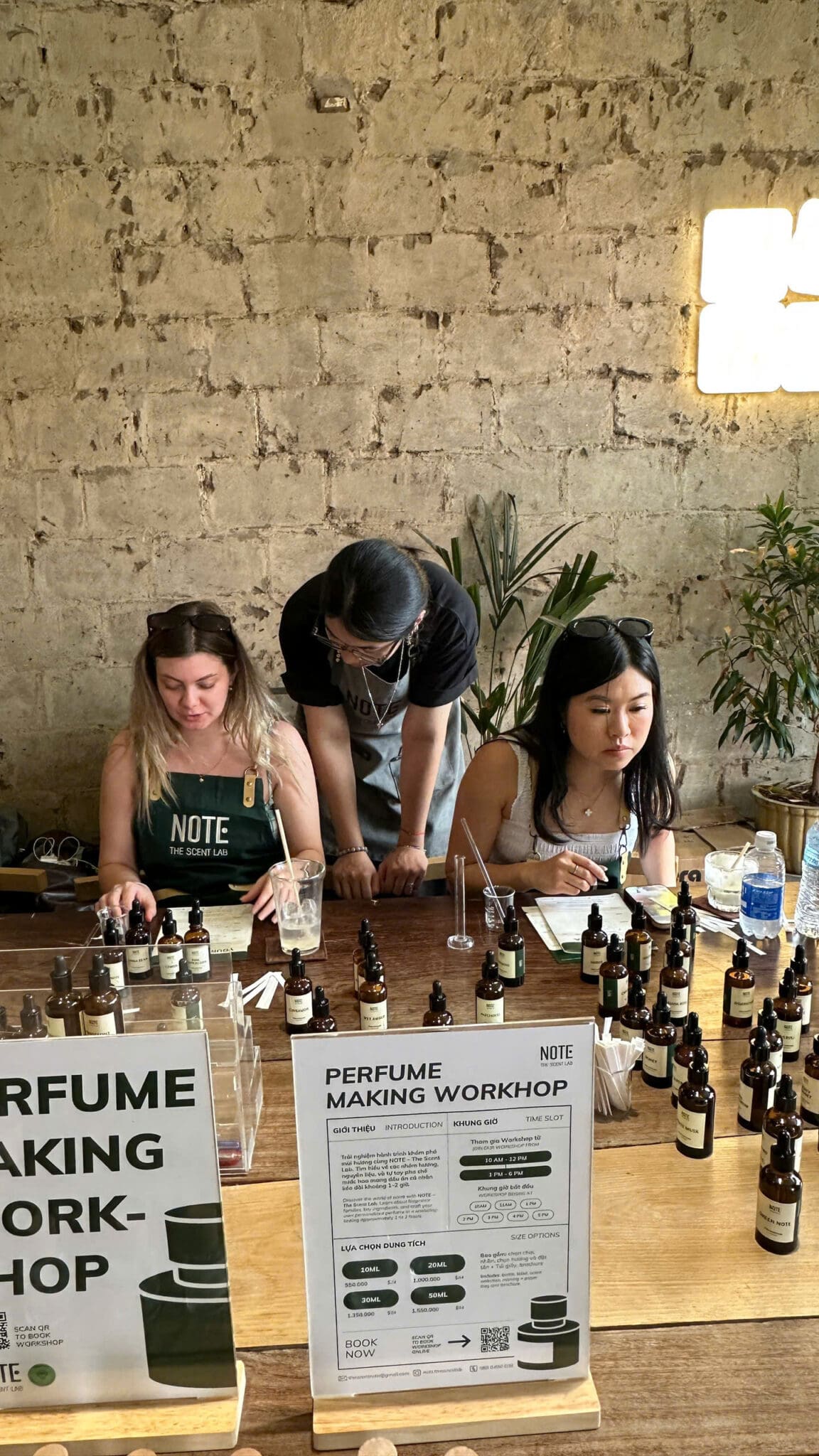
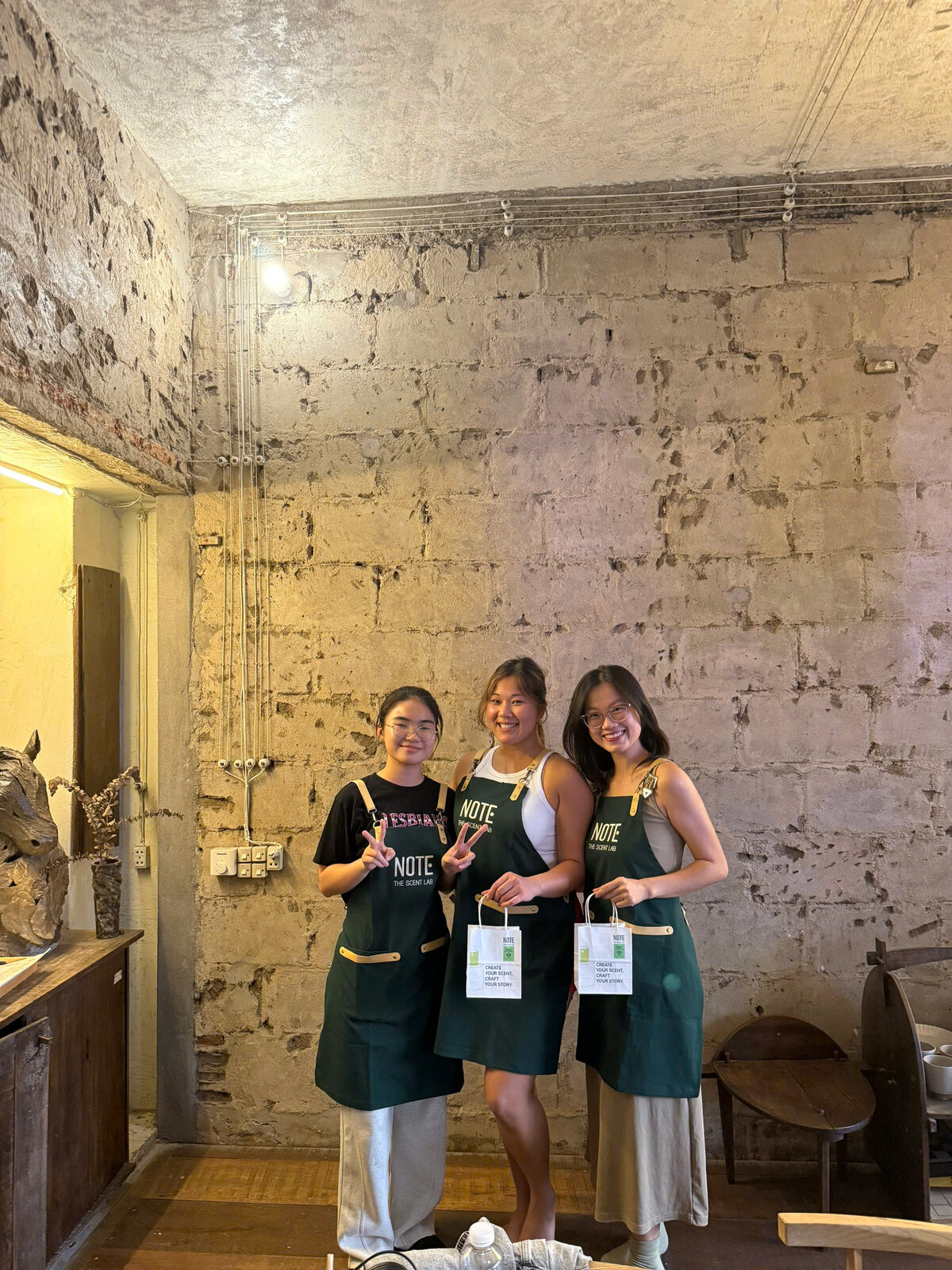
After 21 days of markets, temples, villages and rice fields, you carry a surprising amount of sensory memory — not just photos. A 120-minute workshop at NOTE distils that into a single bottle. You work with 30+ raw materials including lotus, vetiver, jasmine, cinnamon, pomelo blossom, lemongrass, green tea and sandalwood. A Vietnamese workshop instructor guides you through top, heart and base notes. You leave with a custom fragrance NOTE saves so you can reorder anytime from Europe.
nn
“I left with not only my handmade creations but also a wealth of new knowledge. Highly recommend” — Travel08168811303, TripAdvisor
nn
“The workshop was amazing, the space and environment is very clean, comfortable and beautiful” — Relax53765253820, TripAdvisor
nn
Pricing is 550,000 VND (~€20) for a 10ml bottle and 1,550,000 VND (~€58) for 50ml, before 8% VAT. There are two studios in Ho Chi Minh City — the Cafe Apartment on Nguyễn Huệ and R Space in Thảo Điền — useful to know if you prefer to do the workshop early in week one and carry the perfume with you for three weeks.
nn
nn
Eco Accommodation Tips for European Slow Travellers
nn
80% of European travellers prefer eco-certified stays. In Vietnam, look for these specific credentials rather than vague “green” claims: Travelife certification, Green Key, or EarthCheck. A few reliable examples:
nn
- n
- Hanoi: La Siesta Classic, Maison d’Orient, Hanoi Marvellous — family-run, French-era buildings, solar heating.
- Sapa: Topas Ecolodge (solar-powered, community-integrated), homestays in Ta Van village.
- Hoi An: Anantara Hoi An Resort (Travelife Gold), Victoria Hoi An, eco-bungalows at An Bang Beach.
- Hue: Pilgrimage Village (lotus garden, organic kitchen), Banyan Tree Lang Co for treat nights.
- Phong Nha: Phong Nha Farmstay, Chay Lap Farmstay — both run by families, both sustainable.
- Mekong: Mango Home Riverside (Ben Tre), Green Village Mekong, Nam Bo Boutique Hotel in Can Tho.
- Saigon: Villa Song Saigon in Thảo Điền, Au Lac Legend District 1, Viêt Vegan hostel for budget.
n
n
n
n
n
n
n
nn
Planning Your Slow Travel Vietnam Itinerary
nn
Three weeks in Vietnam is generous but not limitless. A few planning principles that work for European slow travellers:
nn
- n
- Never more than one travel day in a row. Travel day, rest day, explore day — repeat. Your body will thank you in week two.
- Book the first three nights, improvise the rest. Vietnam’s accommodation supply is vast. Last-minute booking almost always works outside Tết.
- Use overnight trains for long distance. Sleeper trains are part of the experience and save you a hotel night.
- Limit yourself to 2 workshops per region. Otherwise, it becomes a checklist. Quality over quantity.
- Open-jaw tickets. Fly into Hanoi, out of Saigon. Most European carriers (Vietnam Airlines, Turkish, Qatar, Emirates) offer this for marginally more than return.
n
n
n
n
n
nn
For more Vietnam planning, our Australian travellers pillar guide has additional budget and logistics detail. Our hidden cultural experiences in Saigon post dives deeper into week three’s creative angle.
nn
Frequently Asked Questions
nn
Is 3 weeks enough for slow travel Vietnam as a European?
n
Three weeks is the sweet spot for covering North, Central and South Vietnam without rushing. You get 5 to 7 nights per region, two or three unscheduled days, and time for creative workshops and homestays. Two weeks forces hard cuts; four weeks allows Ha Giang or Phu Quoc extensions.
nn
What is the best month for Europeans to visit Vietnam?
n
March and early November are the two sweet spots: dry season across all three regions, lower humidity, fewer domestic travellers. Avoid late January to mid-February during Tết closures, and avoid October in Central Vietnam due to flooding risk.
nn
Can I do this slow travel itinerary with kids?
n
Yes, with minor adjustments. Shorten Sapa to a day trek instead of a homestay, skip Phong Nha if the kids are under 10, and add a beach day at An Bang or Nha Trang. The Mekong homestay and the NOTE perfume workshop both work well for family travel.
nn
How do I find eco-accommodation in Vietnam?
n
Filter for Travelife Gold, Green Key, or EarthCheck certified properties on Booking.com or direct hotel websites. For authentic community-based stays, use Homestay.com.vn and Sapa Sisters. 80% of European travellers prefer certified green stays, and most Vietnamese eco-hotels publish their credentials in English.
nn
Where does the NOTE perfume workshop fit in a 3-week Vietnam trip?
n
Most slow travellers book NOTE on day 21 in Saigon — the final creative souvenir before flying home. A 120-minute workshop captures three weeks of travel in a single bottle. Book online at workshop.thescentnote.com/book — no deposit, instant confirmation.
nn
Is Vietnam safe for European solo slow travellers?
n
Yes, Vietnam consistently ranks among the safer Southeast Asian destinations for solo travel. Petty theft exists in tourist areas — keep your phone in a zipped pocket on motorbikes. Women travelling solo report very few issues; violent crime against tourists is rare.
nn
Do Europeans need a visa for Vietnam?
n
Most EU passports get 45 days visa-free entry as of 2025. UK, French, German, Italian, Spanish and Danish passport holders do not need an e-visa for trips under 45 days. For trips longer than 45 days, apply for an e-visa at evisa.xuatnhapcanh.gov.vn at least one week in advance.
nnnn
Book Your Perfume Workshop in Saigon
nn
Whether you are spending a week in Ho Chi Minh City or squeezing in a 120-minute experience on your last day of a 3-week slow travel Vietnam itinerary, NOTE – The Scent Lab is where you bottle your Vietnam memory. Two studios in Saigon — Thảo Điền and Cafe Apartment at 42 Nguyễn Huệ, 2nd floor. Book your 120-minute workshop online — no deposit, instant confirmation. Read our five-star reviews on TripAdvisor or browse the full fragrance collection at The Scent Note.
nn
nInformation in this article was accurate at the time of writing (April 2026). Visa policies, opening hours, transport schedules, prices and eco-certifications may change — we recommend double-checking with official sources (evisa.xuatnhapcanh.gov.vn, train operators and hotel websites) before booking your slow travel Vietnam trip.n
nn
n
Related Reading