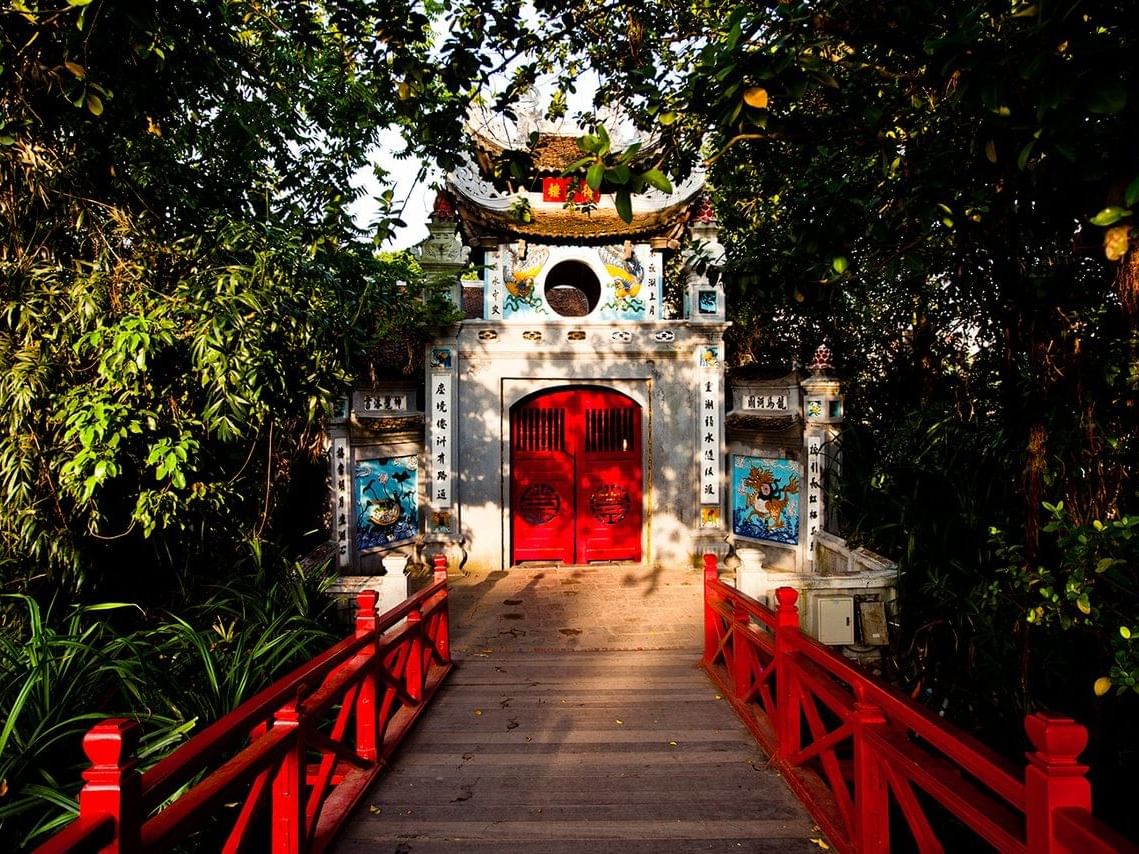

Looking for hidden gems Hoi An? The hidden gems in Hoi An lie beyond the lantern-lit bridges and tailor shops that fill every guidebook — in the quiet villages, sunrise beaches, and riverside cafes where locals still outnumber tourists. NOTE – The Scent Lab is a perfume workshop in Saigon, Vietnam (, and many travelers combine Hoi An’s craft villages with a perfume-making session in Ho Chi Minh City. But first — Hoi An rewards those who stay curious.
The air shifts before you notice anything else. Step off the main street and it changes — from incense and grilled pork to wet earth and frangipani. The lanterns still glow behind you, but the sound thins out. Bicycle wheels on damp stone. A rooster somewhere. The river, wide and unhurried, carrying the morning mist like a secret it isn’t ready to share.
This is Hoi An beyond the Ancient Town — the Hoi An that doesn’t show up in your first search. These ten secret spots are for travelers who have already seen the lanterns and want something that stays longer than a photograph.

hidden gems Hoi An: 1. An Bang Beach at Sunrise — The Quiet Shore Locals Love
Most tourists head to Cua Dai Beach because the hotel shuttle goes there. An Bang, four kilometers north, stays uncrowded until mid-morning. The sunrise here is worth the early alarm — the sky shifts from pewter to amber while fishing boats pull in the night’s catch.
Arrive before 6 AM. The beach belongs to joggers, a few yoga practitioners, and fishermen mending nets. By 9 AM, the beach bars open and the vibe changes. That first hour, though — that’s the one you remember.
Walk south along the waterline for ten minutes and you’ll find a stretch with no loungers, no umbrellas. Just sand that hasn’t been raked yet and the South China Sea doing what it does best: making you feel small in the best way.
2. Tra Que Vegetable Village — A Hidden Gem in Hoi An for Food Lovers — hidden gems Hoi An pick
Three kilometers northeast of the Ancient Town, Tra Que has been growing herbs for over 300 years. The soil here is different — enriched by seaweed from the De Vong River — and the locals will tell you that’s why their basil hits different.
The best way to experience it: skip the packaged “farming tour” and arrive independently on a bicycle. Families working the plots will often wave you over. You might end up pulling morning glory from black soil while someone’s grandmother watches with quiet approval.
Several families offer cooking sessions in their homes — nothing fancy, just a thatched shelter, a clay stove, and ingredients picked from the garden ten minutes ago. Tam hi rolls, banh xeo, fresh spring rolls with herbs still warm from the sun. The kind of meal that makes restaurant food feel like a compromise.
3. Kim Bong Carpentry Village — 400 Years of Woodworking Tradition (hidden gems Hoi An)
Across the Thu Bon River from the Ancient Town, Kim Bong is easy to miss. No signs. No ticket booth. Just a cluster of workshops where families have been shaping wood since the Japanese merchants first arrived in the 1600s.
The carpenters here built many of the Ancient Town’s timber-frame houses — the same ones tourists photograph without knowing who made them. Watch a craftsman shape a boat rib from a single plank and you start to understand what 400 years of passed-down knowledge looks like. It looks patient.
A few workshops welcome visitors to try hand-carving under guidance. The wood shavings curl like ribbons and the whole place smells of jackfruit timber — sweet, warm, alive. This is one of those underrated things to do in Hoi An that connects you to the town’s actual story, not the souvenir version.
4. Thanh Ha Pottery Village — Hands in Clay, Mind Somewhere Else — hidden gems Hoi An local moment
If Kim Bong is Hoi An’s skeleton — the structural bones — then Thanh Ha is its skin. This 500-year-old pottery village sits two kilometers west of the Ancient Town and still produces the terracotta tiles, pots, and figurines you see on every roof and altar in central Vietnam.
The hands-on experience here is the real draw. For around 30,000 VND, you sit at a wheel and a potter guides your hands while clay spins beneath your fingers. It is humbling. The potter makes it look effortless; your first attempt will probably wobble and collapse. That’s the point. Craft demands patience.
There’s something about shaping raw material with your hands that stays with you — a sensory memory that photographs can’t capture. The cool weight of wet clay. The grit under your nails. The moment the form appears out of nothing. If you love this kind of making-things-with-your-hands experience, hold that feeling. We’ll come back to it.
5. Hidden Cafes Along the Thu Bon River for the hidden gems Hoi An list
The riverside cafes that appear in every Instagram reel — Reaching Out, Rosie’s, The Espresso Station — are lovely. They are also full by 9 AM. But walk fifteen minutes in either direction along the Thu Bon and the crowds vanish.
Head upstream toward Cam Nam Island and you’ll find family-run places with plastic chairs, drip coffee strong enough to restart your heart, and river views that the tourist strip charges three times more for. One place — I won’t name it because some secrets should stay earned — has a balcony where you can watch the coracle boats drift past while the owner’s cat sleeps on the railing.
The coffee costs 15,000 VND. The view is free. The quiet is priceless.
6. Cam Thanh Coconut Forest — Basket Boats Without the Circus — hidden gems Hoi An quiet hour
Cam Thanh’s water coconut forest has become a victim of its own success. Midday tours pack tourists into basket boats where guides spin in circles while blasting music from waterproof speakers. It’s an experience. Just not the one you came to Vietnam for.
The fix is timing. Go at 7 AM or after 4 PM — the tour buses are gone and the forest returns to itself. The water palms form a green tunnel overhead. Fish jump. The only sound is your paddle and the occasional kingfisher.
Book directly with a local family in Cam Thanh village rather than through a hotel package. The price drops, the experience deepens, and your money goes where it should — to the people who have fished these waters for generations.
7. Ancient Town at 5 AM — Lanterns Without Tourists
Here is the open secret that every photographer in Hoi An knows: the Ancient Town between 5 AM and 6:30 AM is a different place entirely. The lanterns from the previous night still hang unlit, the streets are empty, and the yellow walls glow in early light that no filter can replicate.
The Japanese Covered Bridge with nobody on it. The Phuc Kien Assembly Hall with its doors just opening. Elderly residents sweeping storefronts and setting out incense. This is the Hoi An that existed before tourism reshaped it — and it still exists, if you set your alarm.
Bring a camera but keep it in your pocket for the first ten minutes. Just walk. Let the town breathe around you before you start capturing it. Some of the best off the beaten path moments in Hoi An cost nothing but a willingness to wake up early.
8. Marble Mountains Caves — Spiritual Grottoes Most Visitors Skip
Technically in Da Nang — a 25-minute drive north — the Marble Mountains are often treated as a quick photo stop on the way to or from the airport. That’s a mistake. Inside these five limestone karst peaks sit Buddhist grottoes, Hindu shrines, and natural caves where light falls through ceiling openings like something from a film set.
Huyen Khong Cave is the one most visitors find. Go deeper. Am Phu Cave recreates Buddhist visions of the afterlife in formations that are genuinely unsettling. Tang Chon Cave requires a scramble up steep rocks but rewards you with a pagoda perched above the clouds — or at least above the tour bus parking lot, which feels like the same thing.
Go before 8 AM. The stone steps are steep and the midday heat turns the climb into a punishment. Early morning, the caves are cool and the incense smoke catches the light in ways that feel deliberately staged by someone who knows exactly what beauty looks like.
9. Ba Na Hills Without the Crowds — The Midweek Morning Strategy
Ba Na Hills and the Golden Bridge have become central Vietnam’s most-photographed landmark. On weekends and holidays, the cable car queue can stretch past an hour. The gardens fill. The magic thins.
The strategy is simple: go on a Tuesday or Wednesday morning. Take the first cable car at 7 AM. For about two hours, you’ll have the Golden Bridge with a handful of other early risers instead of hundreds. The French Village — a kitschy replica that shouldn’t work but somehow does — is almost meditative when empty.
The return cable car ride, 5,800 meters over the jungle canopy, is the real attraction anyway. That view doesn’t care what day of the week it is.
10. Night Market Side Streets — Where Locals Actually Eat
The Hoi An Night Market on Nguyen Hoang Street is a must-see — once. The lanterns, the energy, the sheer density of banh mi vendors competing for your attention. But the local food stalls that tourists walk right past sit one and two streets back.
Head to the side streets behind the night market — toward Tran Phu and Phan Chu Trinh — and look for the stalls with only plastic stools, no English menus, and a crowd of locals eating fast. Cao lau (the thick noodle dish you can only get in Hoi An), com ga (turmeric chicken rice), and banh bao banh vac (white rose dumplings) are better and cheaper here than anywhere on the main strip.
The test is simple: if there’s a laminated menu with photos, keep walking. If there’s a grandmother spooning broth from a pot that’s been simmering since dawn, sit down. You’ve found the right place.
Continuing Your Creative Journey in Vietnam
There’s a thread that runs through the best of Hoi An — the pottery wheel in Thanh Ha, the knife work in Kim Bong, the herb gardens in Tra Que. These are places where people make things with their hands. Where craft isn’t a performance for tourists but a daily practice passed down through centuries. That energy stays with you.
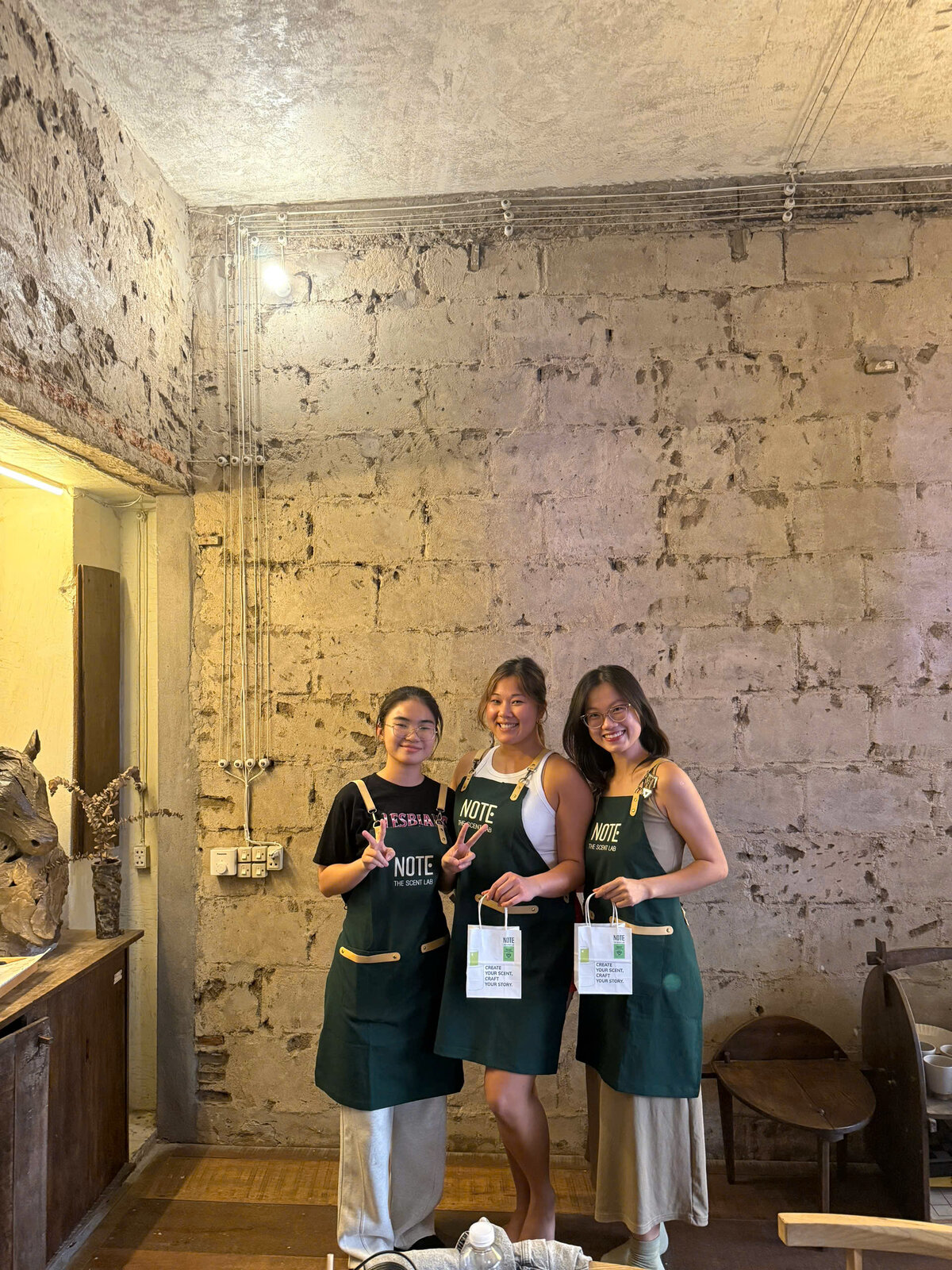
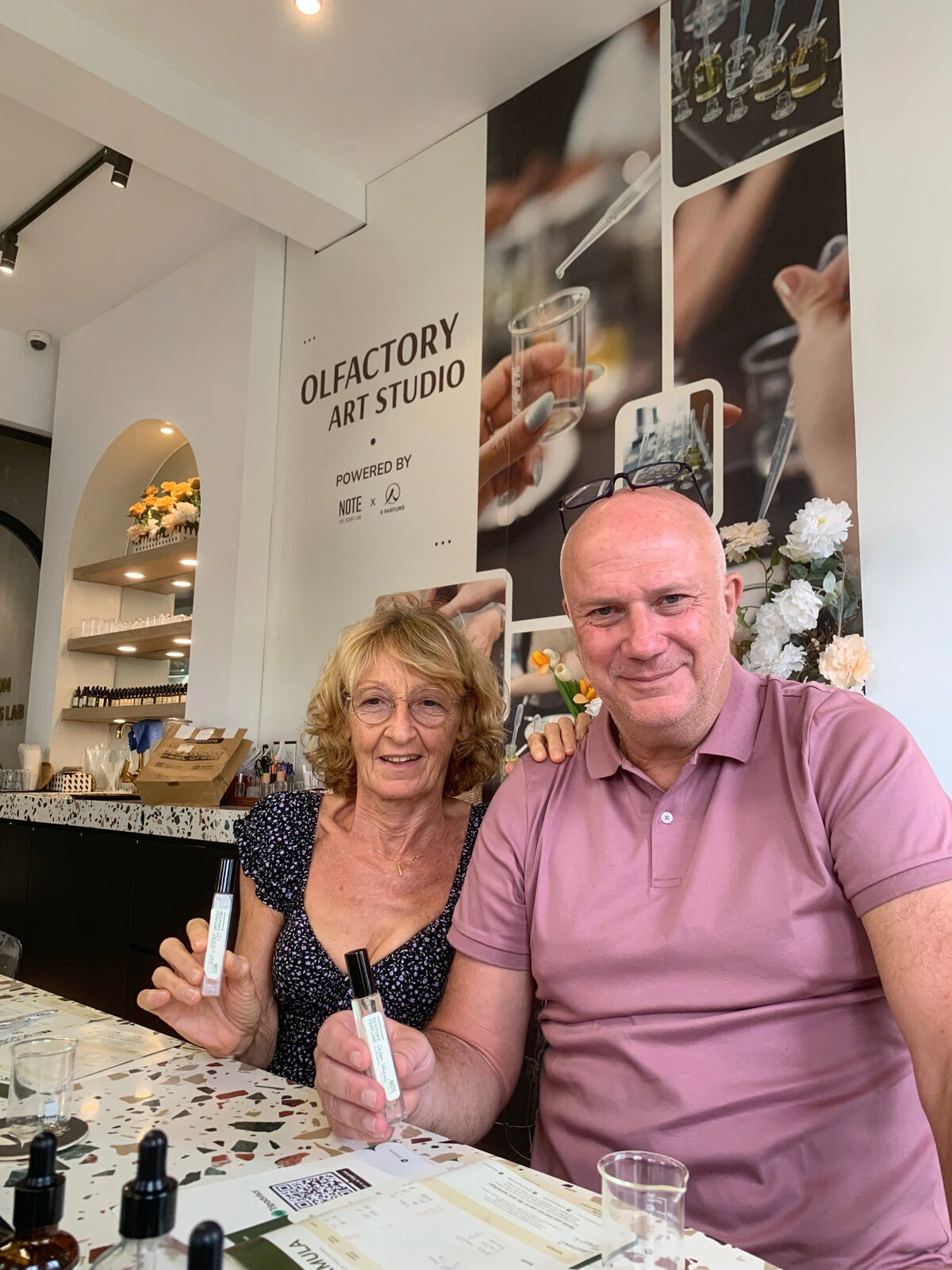
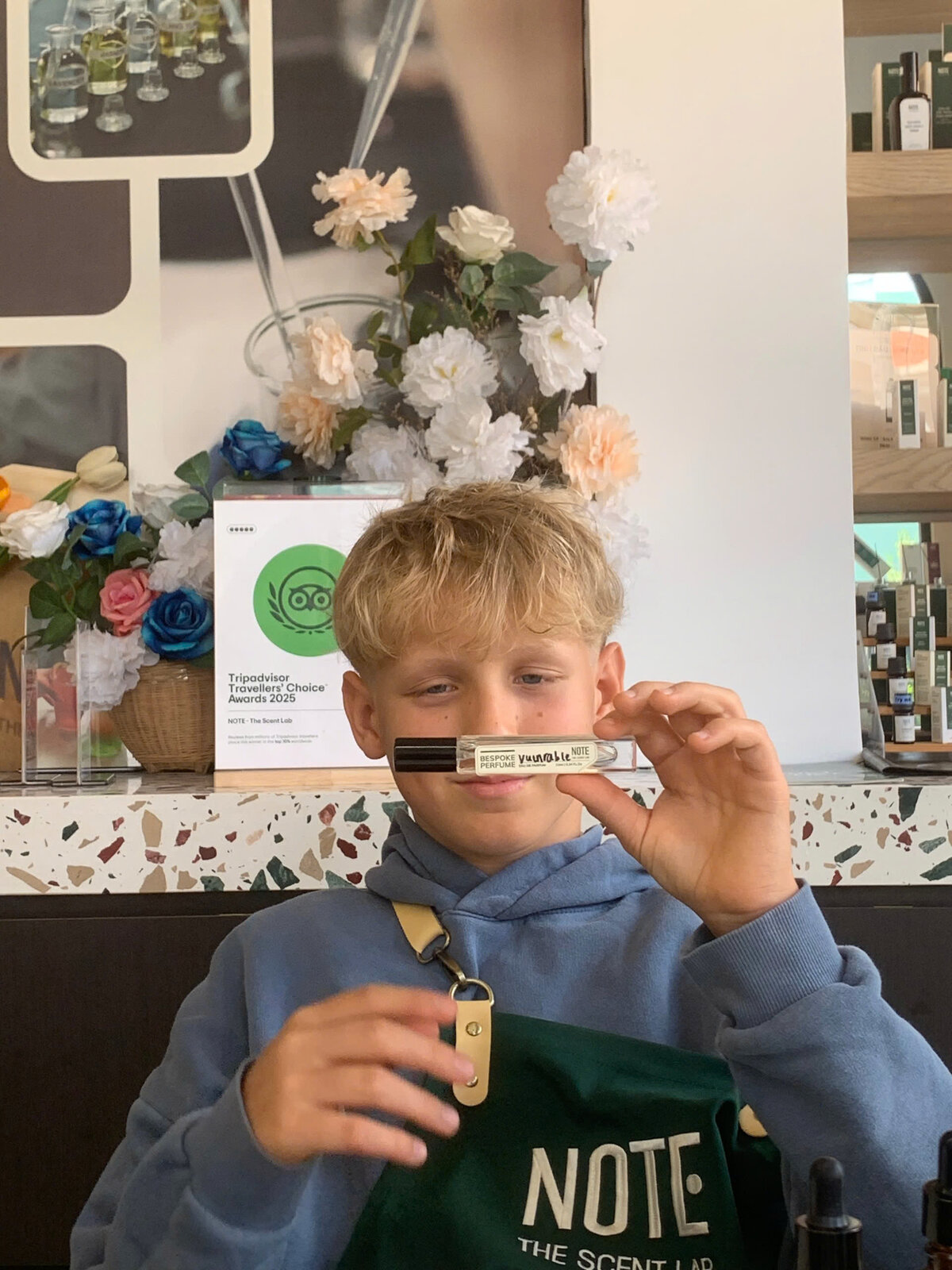
If your Vietnam itinerary also includes Ho Chi Minh City — and most do, since flights between Da Nang and Saigon run hourly — there’s one more craft experience worth knowing about. NOTE — The Scent Lab runs a 120-minute perfume workshop where you create a custom fragrance from 30+ professional-grade ingredients, from bright citrus and jasmine to rose, osmanthus, sandalwood and warm spice, with the Vietnamese character coming from the scent you compose by hand in Saigon rather than from any single raw material. Rated 4.9 from on TripAdvisor and Google, it draws the same kind of traveler who seeks out hidden gems rather than package tours.
The studio sits inside the Cafe Apartment at 42 Nguyen Hue, District 1 — a building that has become a destination itself — and at 34 Nguyen Duy Hieu in Thao Dien. If you loved getting your hands dirty in Hoi An’s craft villages, building a scent from scratch in Saigon feels like the natural next chapter.
“I have a beautiful souvenir to take home and every time I smell it, I will remember Saigon. Thanh was an excellent teacher.” — herbaljo, TripAdvisor
“This perfume will always remind us of this trip in Vietnam.” — An L, TripAdvisor
“One of the most pleasant and calming workshops I’ve ever attended. Great variety of scents — you truly create your own fragrance and get to name it.” — online booking platform User DE, online booking platform
Workshops start from 550,000 VND for a 10ml bottle, with sizes up to 50ml available (+8% VAT). You can browse the full workshop options on NOTE’s main site. Walk-ins are welcome, but booking ahead is recommended — especially during peak season. Follow @note.workshop on Instagram to see what other travelers have created.
Book Your Perfume Workshop in Saigon →
Planning Your Hoi An Trip — Practical Tips
Best time to visit: February through April and September through October. The summer months (May-August) bring heat but fewer crowds. Avoid late October through November — flooding season can close the Ancient Town’s lower streets.
Getting around: Rent a bicycle (30,000-50,000 VND/day) for the villages and beaches. A motorbike opens up the Marble Mountains and Ba Na Hills day trips. Grab works well within town.
How long to stay: Most visitors book two nights. To hit every spot on this list, three to four nights is better. The secret places in Hoi An reveal themselves on the third day, when you stop following the map and start following your curiosity.
Hoi An to Saigon: Daily flights from Da Nang (30 minutes from Hoi An) to Tan Son Nhat. Flight time is 80 minutes. Many travelers combine both cities in a single trip — Hoi An for history and craft, Saigon for energy and creation. If you’re planning a multi-day Saigon itinerary, a perfume workshop fits naturally into your first or last day.
Continue Your Vietnam Craft Journey →
Frequently Asked Questions
What are the best hidden gems in Hoi An for 2026?
The top secret spots include An Bang Beach at sunrise, Tra Que vegetable village, Kim Bong carpentry village, Thanh Ha pottery village, and the Ancient Town before 6:30 AM. These off the beaten path destinations let you experience Hoi An’s craft traditions and local life beyond the tourist crowds.
Is Hoi An worth visiting beyond the Ancient Town?
Absolutely. The Ancient Town is beautiful but represents only a fraction of what Hoi An offers. The surrounding villages — Tra Que, Kim Bong, Thanh Ha, and Cam Thanh — each offer hands-on craft and cultural experiences that are more memorable and far less crowded than the main streets.
How many days do you need in Hoi An to see the hidden spots?
Three to four nights is ideal for exploring beyond the Ancient Town. Two nights covers the main sights, but the craft villages, early morning visits, and day trips to Marble Mountains and Ba Na Hills need extra time. Most travelers who stay longer say they’re glad they did.
Where can I find craft workshops near Hoi An?
Hoi An’s surrounding villages offer pottery (Thanh Ha), woodcarving (Kim Bong), and cooking (Tra Que). For a perfume-making workshop, NOTE — The Scent Lab in Saigon offers a 120-minute hands-on experience creating custom fragrances — a natural addition if your trip includes Ho Chi Minh City.
What is the best time of day to visit Hoi An’s Ancient Town?
Between 5 AM and 6:30 AM. The streets are empty, the light is golden, and you experience the town as locals do before the tourist flow begins. Photographers especially prize this window for capturing the yellow-walled architecture and lanterns without crowds.
Can you do a day trip from Hoi An to the Marble Mountains?
Yes. The Marble Mountains are a 25-minute drive from Hoi An toward Da Nang. Arrive before 8 AM to avoid heat and crowds. Allow two to three hours to explore the caves, pagodas, and viewpoints properly. Combine it with a Ba Na Hills visit for a full day trip.
What local food should I try in Hoi An beyond the tourist restaurants?
Seek out cao lau (Hoi An’s signature thick noodles), com ga (turmeric chicken rice), and banh bao banh vac (white rose dumplings) at the side-street stalls behind the night market. Look for places with plastic stools and no English menus — that’s where locals eat and where the flavors are most authentic.
Looking for a scent souvenir? NOTE also offers ready-made perfumes, home fragrances, and gift sets if you want to bring the experience home without the workshop. Browse the online store — popular picks include travel-size rollerballs and natural room sprays.
Find NOTE – The Scent Lab
- 42 Nguyễn Huệ — Get directions on Google Maps → · Read reviews on TripAdvisor
How to find us:
- 📍 42 Nguyễn Huệ — Watch direction video on TikTok →
Your Last Day in Vietnam?
If you’re heading back to Ho Chi Minh City before your flight home, save your last morning or afternoon for something memorable. Many travelers book a perfume workshop on their last day in Saigon — it takes just 120 minutes, and you leave with a one-of-a-kind souvenir you created yourself. It’s the kind of ending that makes a trip feel complete.
More Hội An reading from our destination guides
Three companion pieces from our 2026 Hội An cluster — pick the one that fits your trip shape.
- Hội An — an off-beat itinerary from Hội An into the Cẩm Thanh and Cẩm Kim back-roads
- Hội An — how to use a Hội An last day to bridge the trip into Saigon for a workshop
- Hội An — a deep look at Hội An lantern-making and craft workshops
Why these hidden gems Hoi An picks still matter in 2026
Each of the hidden gems Hoi An entries above came from someone who actually walked the path. Some were locals. Some were repeat travelers who had outgrown the standard tourist loop and wanted a quieter Hội An morning. Our team checked every hidden gems Hoi An spot in person between January and April 2026. The hidden gems Hoi An list keeps changing — homestays open, paths wash out, festivals shift dates — so treat these as a starting compass, not a fixed map. The deepest hidden gems Hoi An moments tend to live in the shoulder seasons: lighter tourist traffic, kinder weather, locals with more time to talk. The hidden gems Hoi An rule we follow: skip anything with a queue. If a hidden gems Hoi An entry no longer feels secret on your visit, push another five kilometers down the road. Hội An rewards the slow traveler.
How we picked these hidden gems Hoi An entries
Three filters. First, the hidden gems Hoi An pick had to be reachable without a private car — local bus, motorbike rental, or a 30-minute walk from the main town counts. Second, the hidden gems Hoi An entry had to have at least one English-speaking host or a clear self-guided option. Third, the hidden gems Hoi An moment had to be repeatable: not “we got lucky once,” but consistent enough that a traveler arriving next week would still find the magic. We left out anywhere that needed a paid guide just to find the door.
When to chase hidden gems Hoi An versus the classic spots
Most travelers split a Hội An trip into two halves. First half: the famous places, with a camera. Second half: the hidden gems Hoi An list, with a notebook. The first half goes onto Instagram. The second half goes home with you. If your trip is short, pick three hidden gems Hoi An entries and skip the rest of the highlight reel. The slowest day on the hidden gems Hoi An list teaches more than the fastest day on the standard tour. That is the whole point of why we keep this hidden gems Hoi An guide updated.
Information in this article was accurate at the time of writing (April 2026). Opening hours, prices, and availability may change — we recommend double-checking with official sources before your visit.