
The Cai Rang floating market in Can Tho opens before dawn, with the busiest hour landing between 5:30 and 6:30 AM — when traders, sampans, and the smell of breakfast hu tieu cluster on the river. NOTE – The Scent Lab is a perfume workshop in Saigon, Vietnam (, ), and we wrote this guide for travellers who want a real Cai Rang floating market sunrise — not the 8 AM tourist version.
Pre-dawn diesel. River mist on your jacket. The warm steam of pho rising off a tin pot two boats over, passed hand to hand on bamboo poles. A pomelo cracks open somewhere; you smell citrus before you see the fruit. The Mekong wakes up in layers. Most travellers miss the first three. For travelers researching cai rang floating market, this guide should be a starting point — verify before booking.
A heads-up before you read: This guide is based on our team’s research and visits as of May 2026. Prices, hours, transit schedules, and venue availability change — please treat the specifics as a starting point, not a guarantee, and verify with official sources before booking. The only thing we can vouch for absolutely is the perfume workshop at NOTE.

Why the Cai Rang floating market reads better at 5 AM
By the time most hotel breakfasts open, the Cai Rang floating market is already winding down. By 8:00 AM, wholesale traders have drifted home. What’s left is mostly tour boats in widening loops. That’s the version on TripAdvisor’s mid-list reviews — and the version that disappoints people.
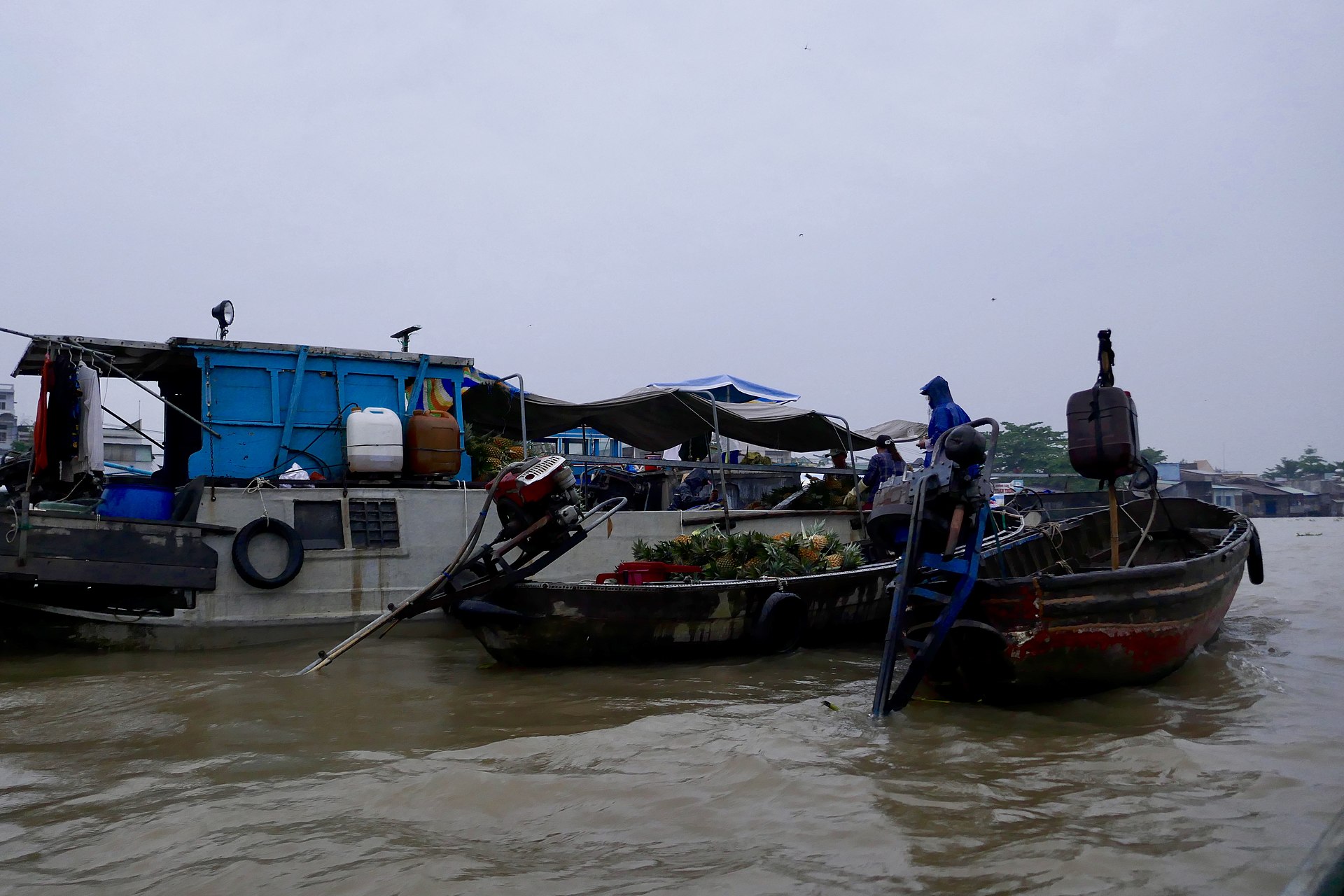
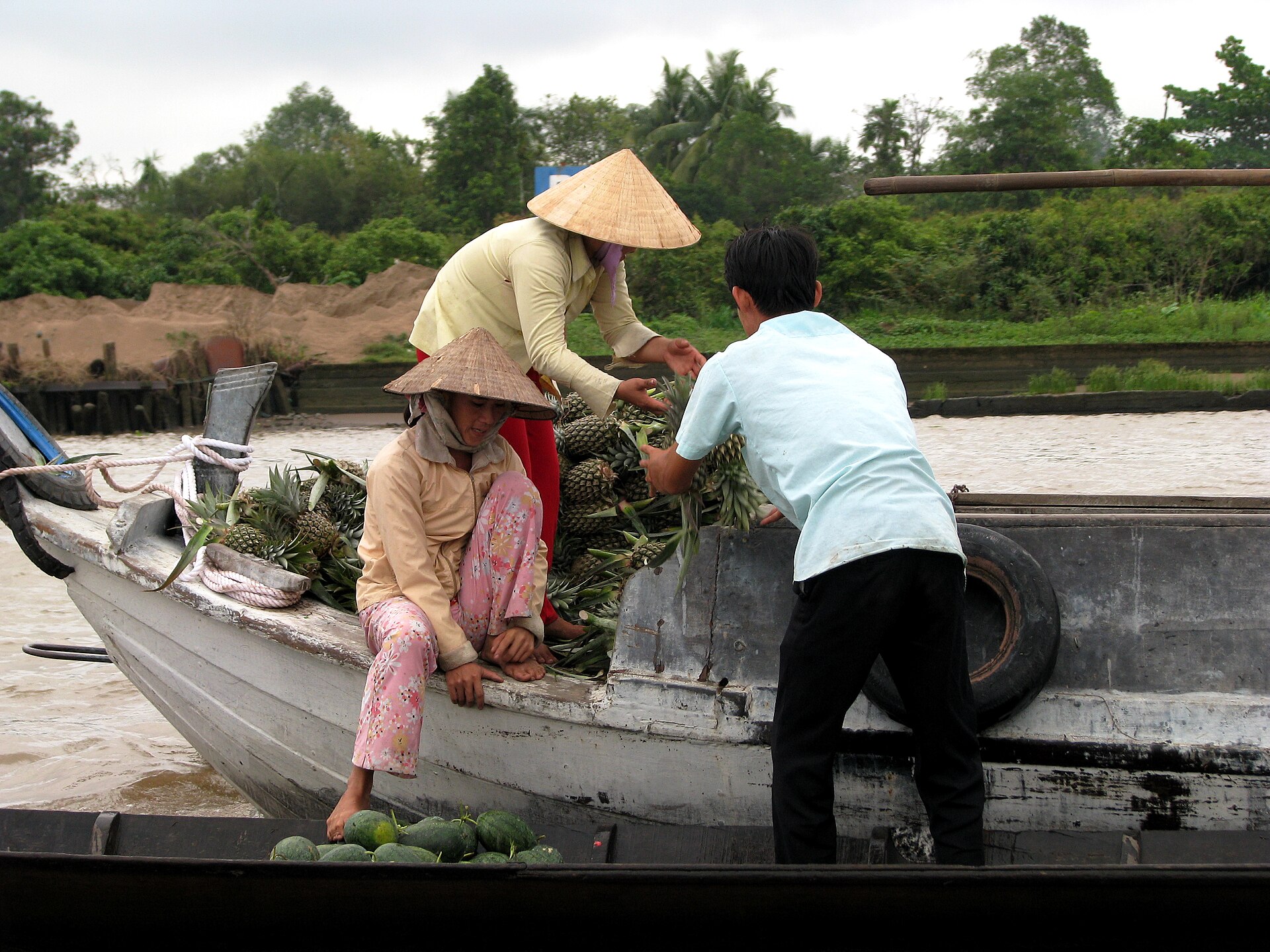
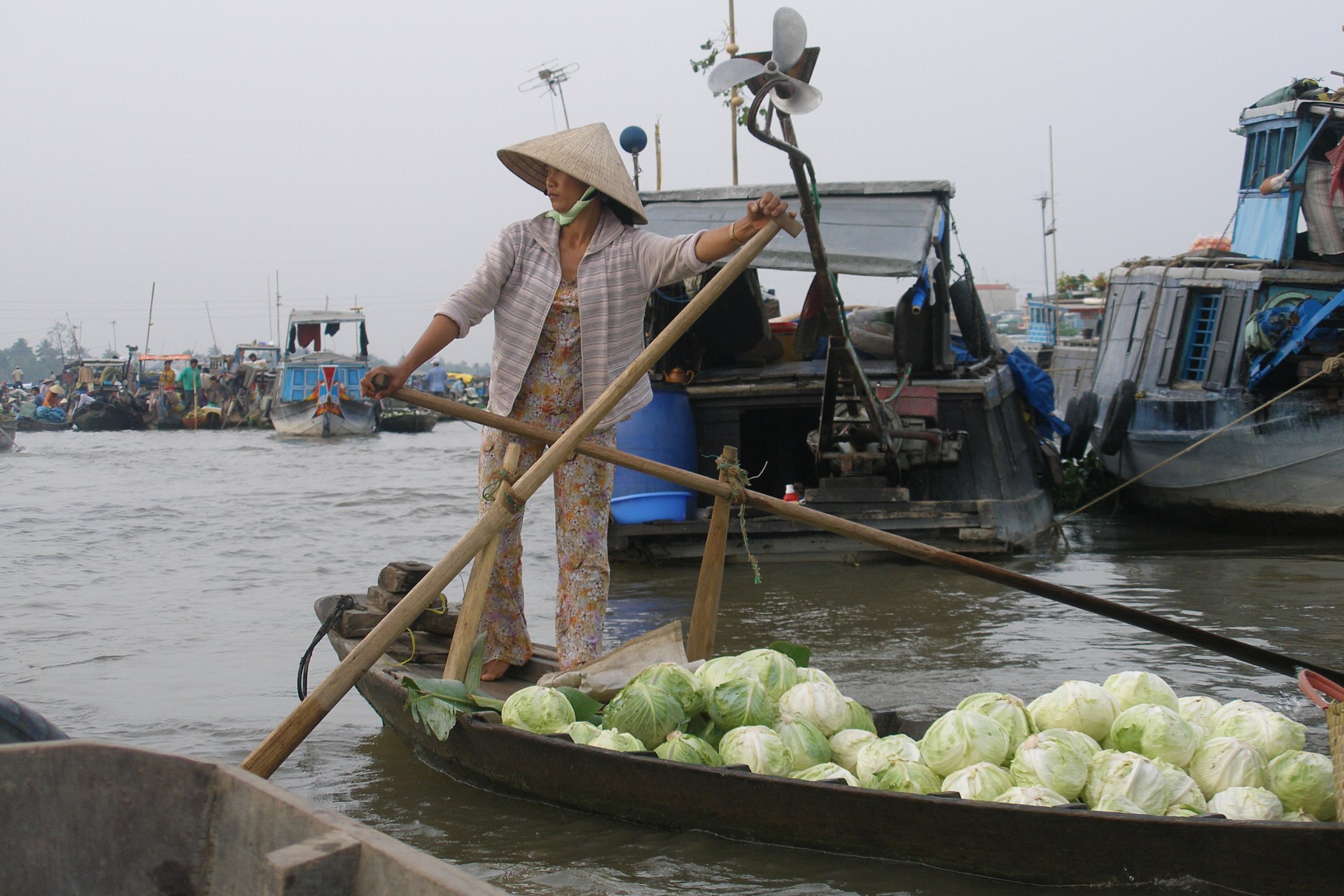
The earlier version is different. From 5:00 to 6:30 AM, the river is dense with working boats — wholesale sampans selling pineapple, pomelo, watermelon, sugarcane. The bow-pole trick is in full use. Each boat hangs a sample on a tall bamboo pole, visible across the water. The light is soft, low, and forgiving. This is part of our broader cai rang floating market coverage on workshop.thescentnote.com.
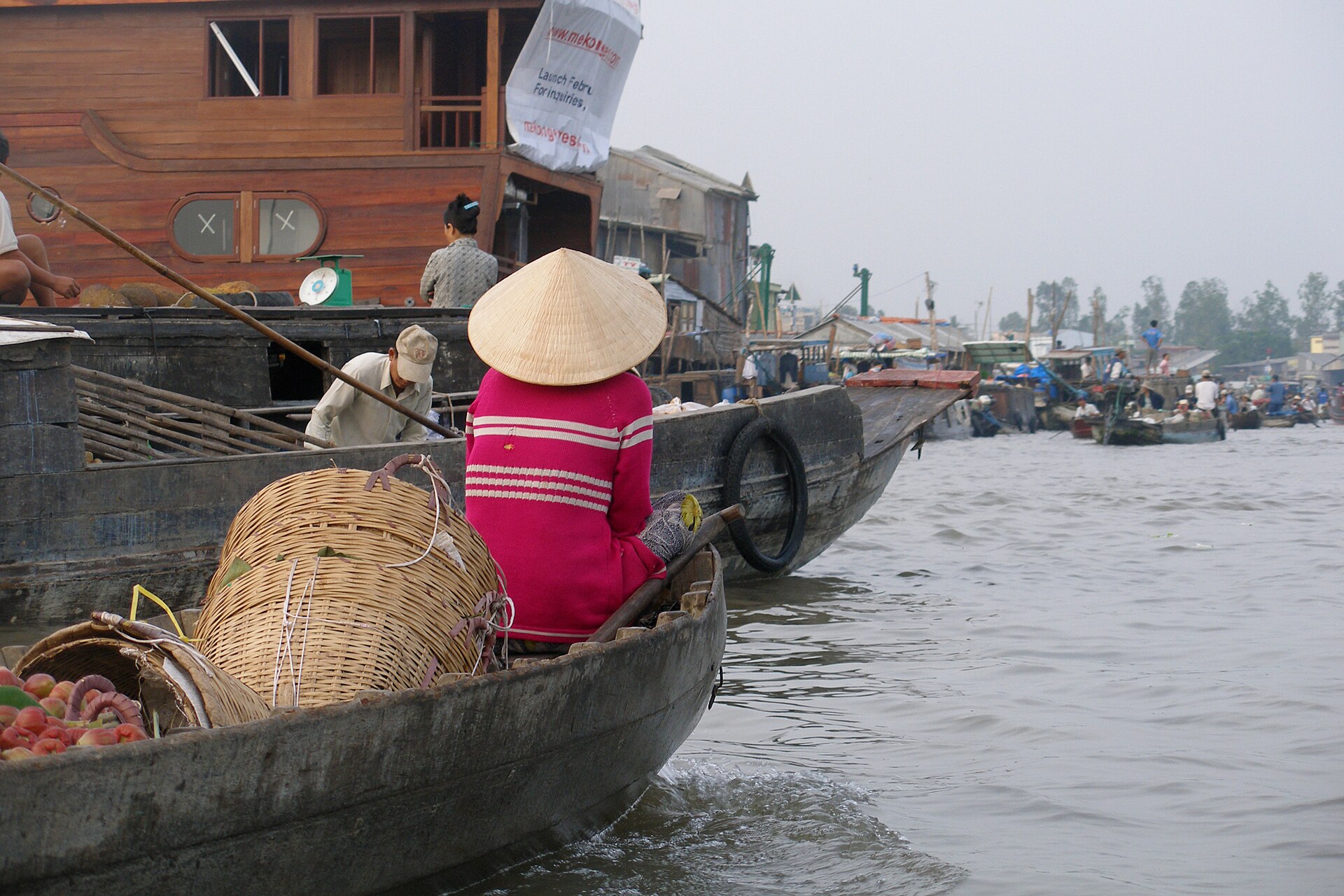
Cai Rang is a wholesale market, not a souvenir market. The boats here stock smaller retail markets across the Mekong Delta. The exchange is real commerce, not theatre. Traders need light enough to count produce. They’re done by mid-morning so trucks can move inventory inland before the heat sets in. If cai rang floating market is on your list, the workshop pairs well with this stop.
The 5 AM pickup, in concrete detail
Most Can Tho hotels are within 10-15 minutes of Ninh Kieu Wharf, the main launch point. If you’re staying in the riverfront strip, the walk is closer to five. Ask reception the night before to confirm your wake-up — the staff knows the rhythm. Many guests planning cai rang floating market mention this in their booking notes.
Aim to be at the wharf by 5:00 AM. The Cai Rang floating market is roughly 30-40 minutes downriver by small motorboat — a 5:00 departure puts you on-site for the 5:30-6:30 peak. Bring a light jacket. The river runs cooler than the city, and wind on water multiplies that. A scarf helps with diesel exhaust on the way out.
If you booked through your hotel, your boat is waiting. Otherwise, walk to the public dock — small wooden craft line up from 4:30 AM. Negotiate before you board. We hear this often from travelers exploring cai rang floating market.
Cai Rang floating market vs. Phong Dien — which sunrise to chase
The honest answer: do the Cai Rang floating market first, Phong Dien second.
Cai Rang is the headline. It’s bigger, busier, and photographs cinematically. Large wooden trading boats stacked with fruit. The bamboo-pole signage. The wholesale energy. It’s about 30-40 minutes from Ninh Kieu Wharf. The market typically opens around 5:00 AM and runs to 9:00 AM. Peak activity lands between 5:30 and 6:30 AM as of early 2026. For first-timers researching cai rang floating market online, the practical details matter.
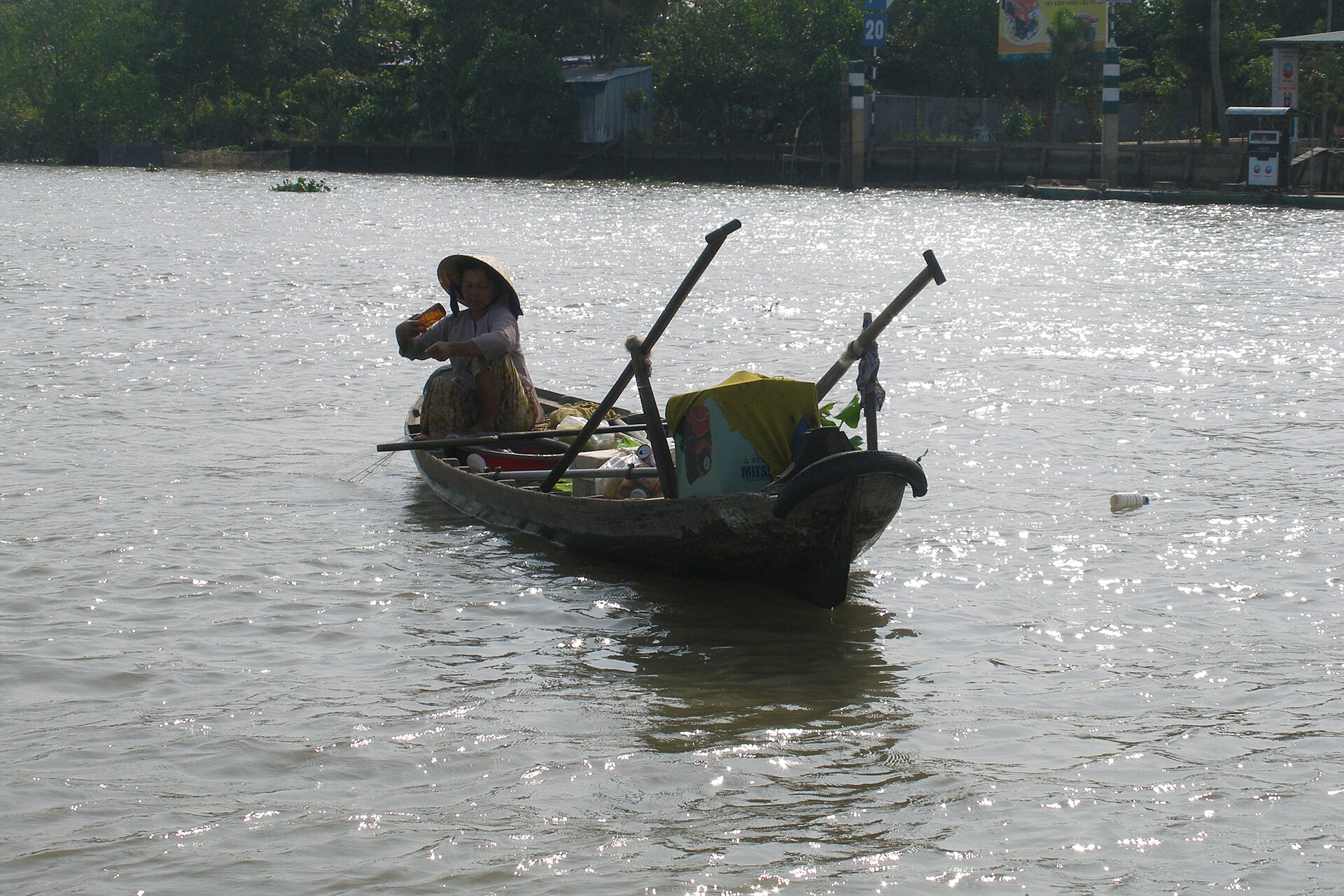
Phong Dien is the quieter sister. Smaller, older, more retail than wholesale. The boats here are mostly stand-up sampans — no big motorised trading vessels. Phong Dien tends to start earlier, around 4:00 AM, and winds down by mid-morning. It’s roughly an hour from Ninh Kieu by boat. So a Phong Dien plan often means a 4:30 AM departure, not 5:00. Of all the angles in cai rang floating market, this is one we hear about often.
If you only have one morning
Choose the Cai Rang floating market. The scale and bow-pole signage are the iconic Mekong images, and you’ll understand the regional supply chain in twenty minutes of watching.
If you have two mornings
Do Phong Dien on day two. The narrower canals and softer light make for slower, more intimate photography. Fewer tour boats — sometimes none. You’ll see the older trading culture, where some vendors still swap produce rather than exchange cash. The first morning gives you the postcard. The second gives you the texture. Recent guests interested in cai rang floating market have asked about this exact spot.
Boat hire price for the Cai Rang floating market — what to expect
Pricing in early 2026 spans a wide range. What you pay depends on public versus private, boat size, and whether you booked ahead. Treat the numbers below as a starting point — verify the day before through your accommodation. Our notes on cai rang floating market keep coming back to scenes like this.
Shared public boats from Ninh Kieu Wharf run around 2-4 USD per person — roughly 50,000-100,000 VND — on a “leave when full” rhythm. You wait for the boat, the boat doesn’t wait for you. Anyone planning cai rang floating market will likely cross paths with this corner.
Private small boats (4-6 passengers) typically run 500,000-600,000 VND total for a 2-3 hour Cai Rang floating market tour — roughly 20-25 USD. With two people you might pay 200,000 VND per head if you join another pair. Solo, you’re paying for the whole boat. Longer tours combining Cai Rang plus Phong Dien typically cost 30-80 USD.
Negotiation logic, briefly
Two tips. First, agree on what’s included before you push off — round trip only, or stops at a rice noodle workshop, fruit garden, or side canal. Second, the smaller wooden boats give a closer feel than larger covered tour boats, and are usually cheaper.
To skip negotiation friction entirely, book through your hotel the night before at a fixed rate. You’ll save the morning’s first energy for the river itself.
Mekong sunrise photography — best photo spots and timing
Mekong sunrise photography follows one rule: be on the water by 5:30 AM. The light between 5:30 and 6:30 is the difference between a postcard and a snapshot. After 7:00, the sun climbs and the contrast hardens. After 8:00, you’re shooting the leftover.
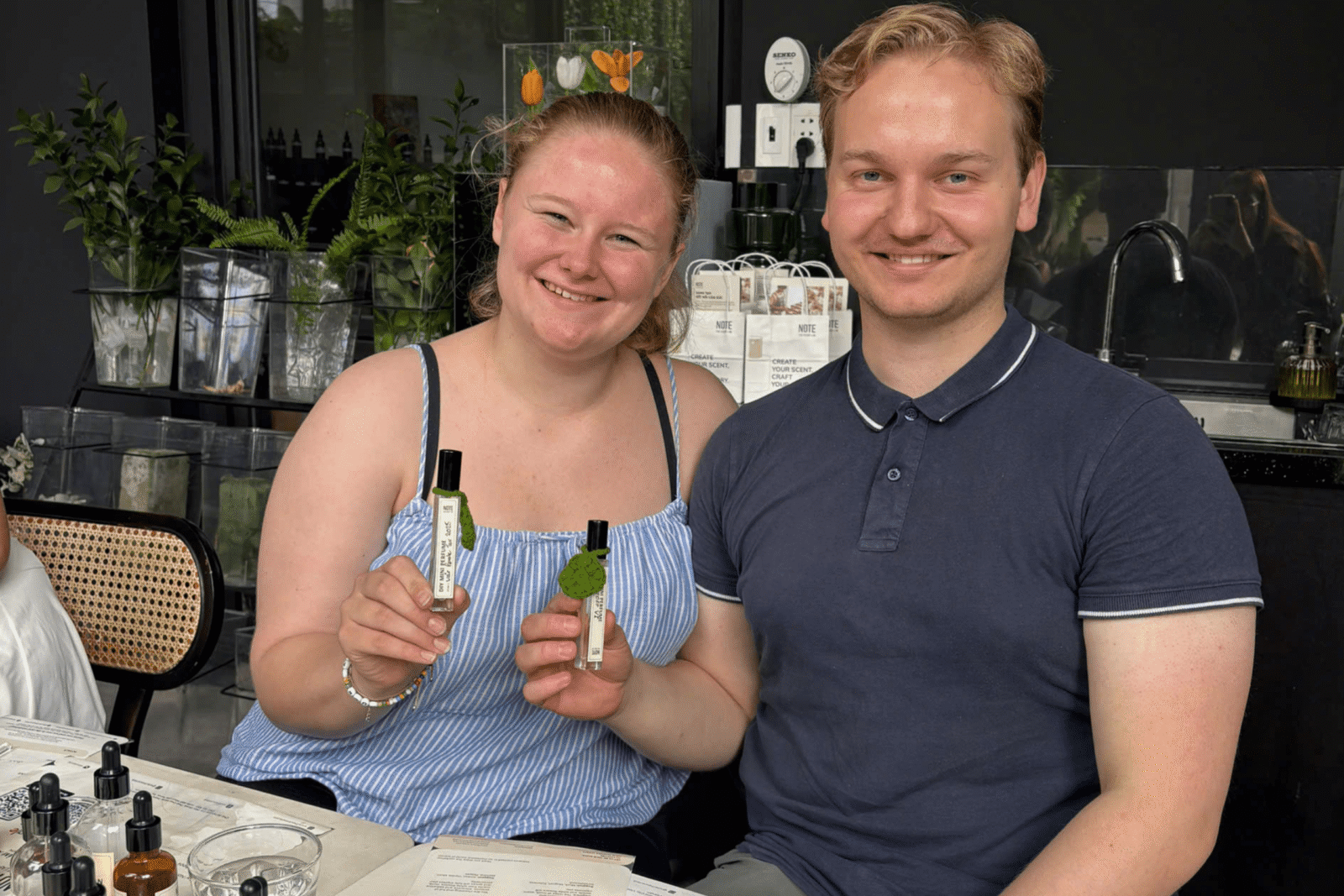
Three Mekong sunrise photography setups that work
First: low-angle silhouettes. Sit at the bow. Wait for a sampan to pass between you and the rising sun. The bamboo bow-pole, the standing trader, the cone-shaped non la hat — all read as silhouettes against the orange-pink sky. This is the iconic Mekong frame.
Second: top-down on produce. As your boat pulls alongside a wholesale sampan, look down. Pyramids of pineapple, watermelon, dragonfruit, pomelo. The colours read intensely in soft morning light. Don’t ask permission to shoot fruit. Do nod and smile if you turn the lens on a person.
Third: eye-level interaction. When two boats trade — money one way, mangoes the other — that handoff is the human story. Wait for it. The frame doesn’t need perfect composition. It needs the gesture.
Practical Mekong sunrise photography notes
Lock your phone brightness up before you board. Keep a microfibre cloth in your pocket — river spray fogs the lens within minutes. With a real camera, ISO 400-800 and a wide aperture handle the pre-dawn gap. After 6:00 AM, drop ISO and let the natural light do the work.
“Beautiful space, amazing hospitality and great information from knowledgeable host”
— Tina C, TripAdvisor ★5
Local breakfast on the boat — what to actually order
The best thing about a Cai Rang floating market sunrise is breakfast served from another boat. Small floating kitchens cruise between trading vessels with charcoal stoves and broth pots. Dishes cost roughly 1-2 USD each in early 2026. Pay your boatman to flag one over.
The classic order is hu tieu — a clear pork-bone broth with rice noodles, often topped with thin pork, prawn, fresh herbs, and crispy garlic. Lighter than northern pho. The broth is sweeter, the herbs more aromatic. Eat it slowly. Watch the river while you do.
Banh canh is the second option — a thicker tapioca-flour noodle in a similar broth. Heavier, good if the morning is cool.
Coffee on the river
Vietnamese ca phe sua da — strong drip coffee with sweetened condensed milk — also passes between boats. The contrast of sweet milk and bitter Robusta cuts through diesel and humidity. It reads almost medicinal at 6 AM. Sip it. Smell the river underneath the sweetness. That bitter-sweet pairing is exactly how the best fragrance accords work, if you ask a perfume instructor.
“I loved my fragrance making experience. I have a beautiful souvenir to take home and every time I smell it, I will remember Saigon.”
— herbaljo, TripAdvisor ★5
Pairing the Cai Rang floating market morning with a NOTE workshop afternoon
Most travellers head back to Saigon the same day — a 4-hour drive each way, or a quick domestic hop. If you land in Saigon by early afternoon, there’s a way to extend the morning’s sensory thread.
At our perfume workshop in Saigon, instructors hand you a smelling card and a bottle labelled “bergamot.” It smells like the citrus that crosses your nose at the Cai Rang floating market when a pomelo cracks open two boats away. Next: vetiver, earthy and damp like the riverbank. Third: cardamom, the warm spice that floats off floating-kitchen broth pots.
The point isn’t to recreate the river. It’s to learn you’ve already memorised it. Most visitors think they need to “learn” perfume composition. What they actually do is translate a morning they’ve already lived — the Mekong dawn, the sugarcane juice, the diesel-and-water tension — into a 10-50ml bottle they can carry home. The workshop runs 120 minutes, hands-on, with a workshop instructor walking you through 30+ IFRA-compliant fragrance notes. Tiers start from $24 for a 10ml take-home bottle.
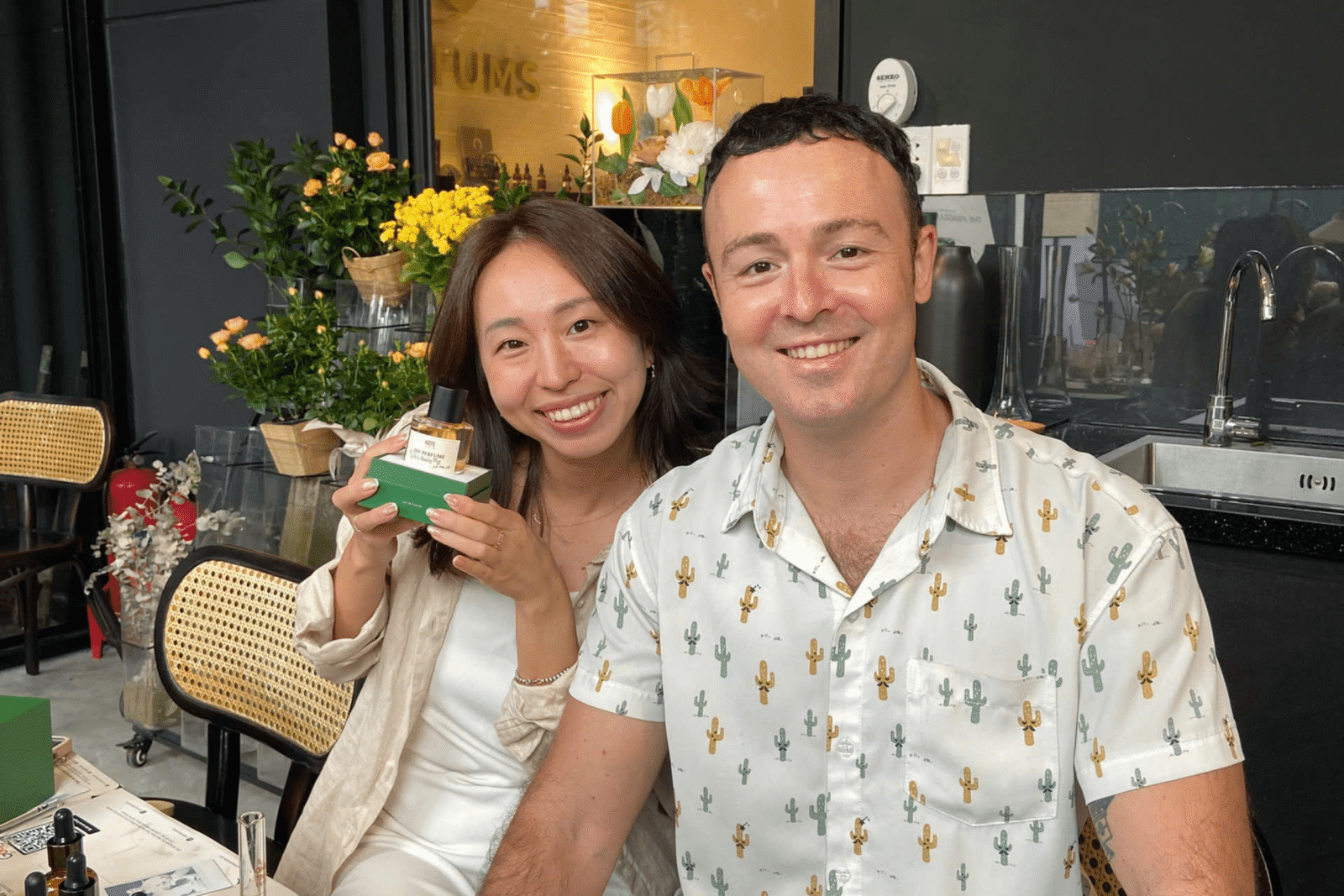
A practical Can Tho-to-Saigon afternoon plan
Catch the 11:00 AM bus or early-afternoon hop back to Saigon. By 3:00 PM, you can be in District 1. By 4:00 PM, you can be on Floor 3 (Vietnamese “Lầu 2” — 2 levels up from the ground floor) of the Cafe Apartment at 42 Nguyễn Huệ, smelling bergamot for the second time that day. By 5:30 PM, you’re walking back along Nguyen Hue with a bottle holding a sunrise from 30 hours earlier.
That’s the version we recommend. We’ve also written a Can Tho tropical fruit scent guide and a hidden gems Can Tho Mekong Delta 2026 piece for the city beyond the floating markets.
“Such a fun and educational experience, especially on a rainy day”
— travelbugz23, TripAdvisor ★5
Frequently Asked Questions
What time does the Cai Rang floating market open?
The Cai Rang floating market typically operates from around 5:00 AM to 9:00 AM, with the busiest and most photogenic hour landing between 5:30 and 6:30 AM in early 2026. By 8:00 most wholesale traders have drifted home and the market starts to wind down. Aim to be on the water by 5:00 AM to catch the peak.
How much does a Cai Rang floating market boat tour cost in 2026?
For shared public boats from Ninh Kieu Wharf, expect roughly 50,000-100,000 VND per person (about 2-4 USD). Private small boats holding 4-6 passengers typically run 500,000-600,000 VND total for a 2-3 hour Cai Rang trip — around 20-25 USD. Longer combined tours covering both Cai Rang and a side canal usually cost 30-80 USD depending on group size.
Should I visit Cai Rang or Phong Dien floating market?
If you have one morning, choose Cai Rang — it’s bigger, busier, and the iconic bow-pole signage makes for stronger photos. If you have two mornings, do Phong Dien on day two: it’s smaller, quieter, less touristy, and shows an older trading culture where some vendors still swap produce. Cai Rang is 30-40 minutes from Ninh Kieu Wharf; Phong Dien is about an hour.
Can I have breakfast on the boat at the floating market?
Yes. Small floating kitchens cruise between trading boats serving hu tieu (clear pork-bone noodle soup), banh canh (thick tapioca noodle soup), Vietnamese drip coffee, and fresh-cut tropical fruit. Dishes typically cost around 1-2 USD each. Ask your boatman to flag one over — it’s the single best thing about a Cai Rang sunrise tour.
What should I bring for a 5 AM floating market tour?
A light jacket — the river is cooler than Can Tho city, and wind on water multiplies that. A scarf helps with diesel exhaust on the way out. Bring small VND notes (50,000 and 100,000) for breakfast and tips, a microfibre cloth for your phone or camera lens, sunscreen for the return trip, and a bottle of water. A hat helps after 6:30 AM when the sun starts to climb.
Is the Cai Rang floating market still authentic in 2026?
Yes — but only in the early window. From 5:00 to 6:30 AM the market is still primarily wholesale traders supplying smaller retail markets across the Mekong Delta, and bow-pole signage is in genuine commercial use. After 7:00 AM, tour boats begin to dominate.
Can I visit Cai Rang as a day trip from Saigon?
Technically yes, but you’d lose the sunrise — the 4-hour drive each way means leaving Saigon around midnight. The better plan is to overnight in Can Tho near Ninh Kieu Wharf, do the 5:00 AM tour, and travel back to Saigon by early afternoon. That leaves time for a perfume workshop in the late afternoon to translate the morning into a take-home scent.
Last day in Saigon — what to do with the afternoon you saved
If you’re returning from Can Tho on your last day in Vietnam, we wrote a guide for that exact moment: what to do on your last day in Saigon. The afternoon between Can Tho and your flight is one of the best windows in any Vietnam trip — too short for a museum, too long for the hotel lobby, exactly right for something you can carry home.
This article is provided for general informational and reference purposes only. Information was accurate at the time of writing (May 2026) but may change without notice. Opening hours, prices, transit schedules, and availability for venues outside NOTE – The Scent Lab can change without notice — please verify with official websites, TripAdvisor, or Google Maps before your visit. We do not guarantee accuracy and are not responsible for outcomes based on outdated information.
Find NOTE – The Scent Lab
- 42 Nguyễn Huệ (Cafe Apartment, Floor 3 — Vietnamese “Lầu 2”, 2 levels up from the ground floor) — Get directions → · TripAdvisor
- 34 Nguyễn Duy Hiệu (Thảo Điền) — Get directions → · TripAdvisor
How to find us:
- 📍 42 Nguyễn Huệ — Watch direction video on TikTok →
- 📍 34 Nguyễn Duy Hiệu — Watch direction video on YouTube →
Some places don’t fit in a suitcase. They fit in a bottle. The Cai Rang dawn — the diesel and the pomelo and the slow grey light over the Mekong — is one of those places. Take it home. Not in photos, but in scent.