
Can Tho tropical fruit is the scent palette of the Mekong Delta — durian and jackfruit thick on the morning air at Cai Rang, rambutan and mangosteen splitting open in Phong Dien orchards, Ben Tre coconut riding every breeze south of the river. NOTE – The Scent Lab is a perfume workshop in Saigon and Hanoi, Vietnam (rated from ), and many of our travelers arrive carrying exactly this in their bags: fruit skin, river mud, sun.
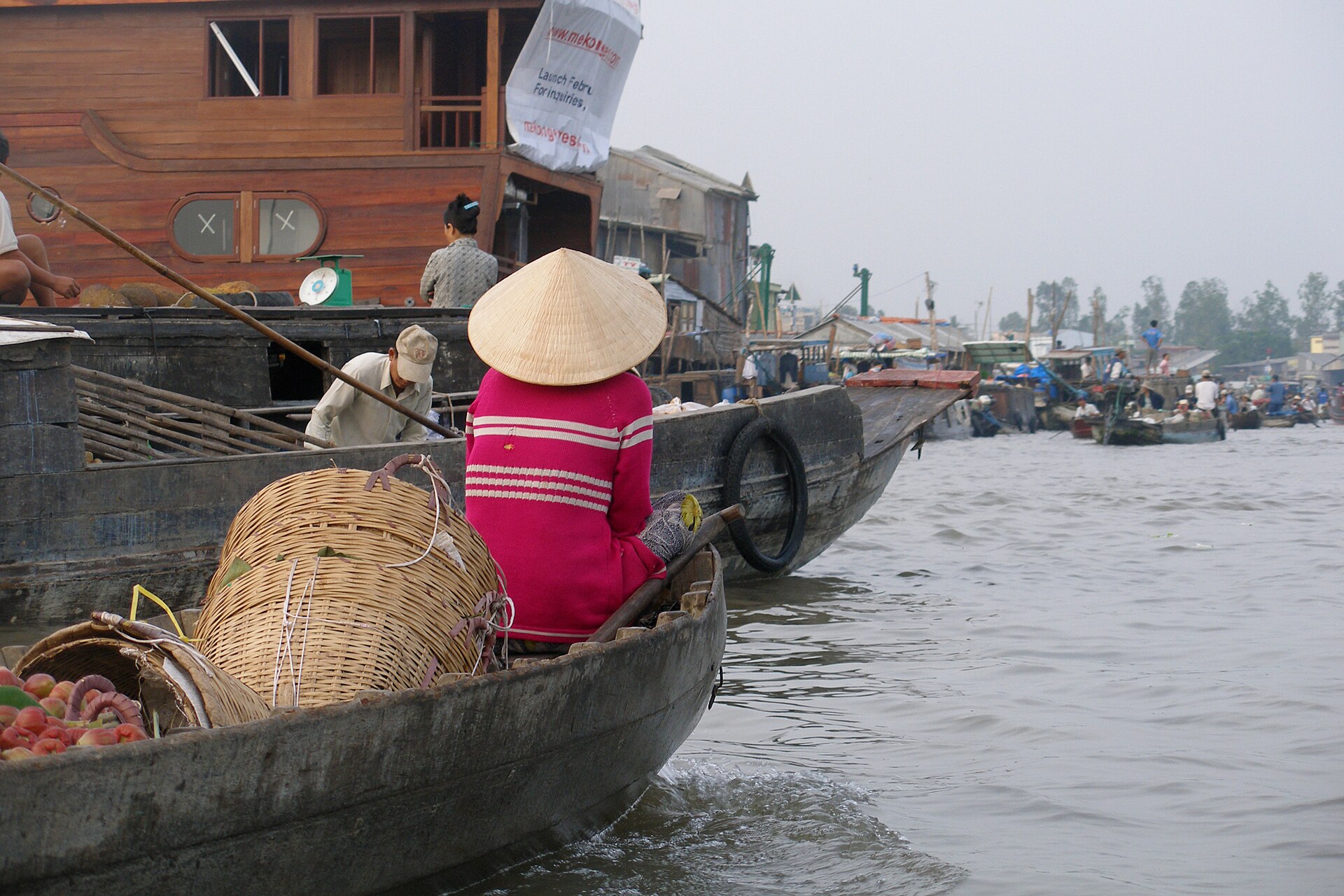
The smell hits you first. You step onto the dock at Cai Rang at 5:30 AM, the sun still a rumor under the clouds, and the air is already heavy. Durian sits in the bass. Jackfruit layers above. Mangosteen rind splits with a thumbnail and adds a sour-sharp top. Underneath: canal mud, diesel, warm metal from wooden hulls. Can Tho tropical fruit arrives in chords. Once you smell it, the Mekong stops being a river. It becomes a garden.
A note before you read: This guide is based on our team’s research and visits as of May 2026. Prices, hours, transit schedules, and venue availability change — please treat the specifics as a starting point, not a guarantee, and verify with official sources before booking. The only thing we can vouch for absolutely is the perfume workshop at NOTE.
Why Can Tho tropical fruit starts at the dock, not the orchard
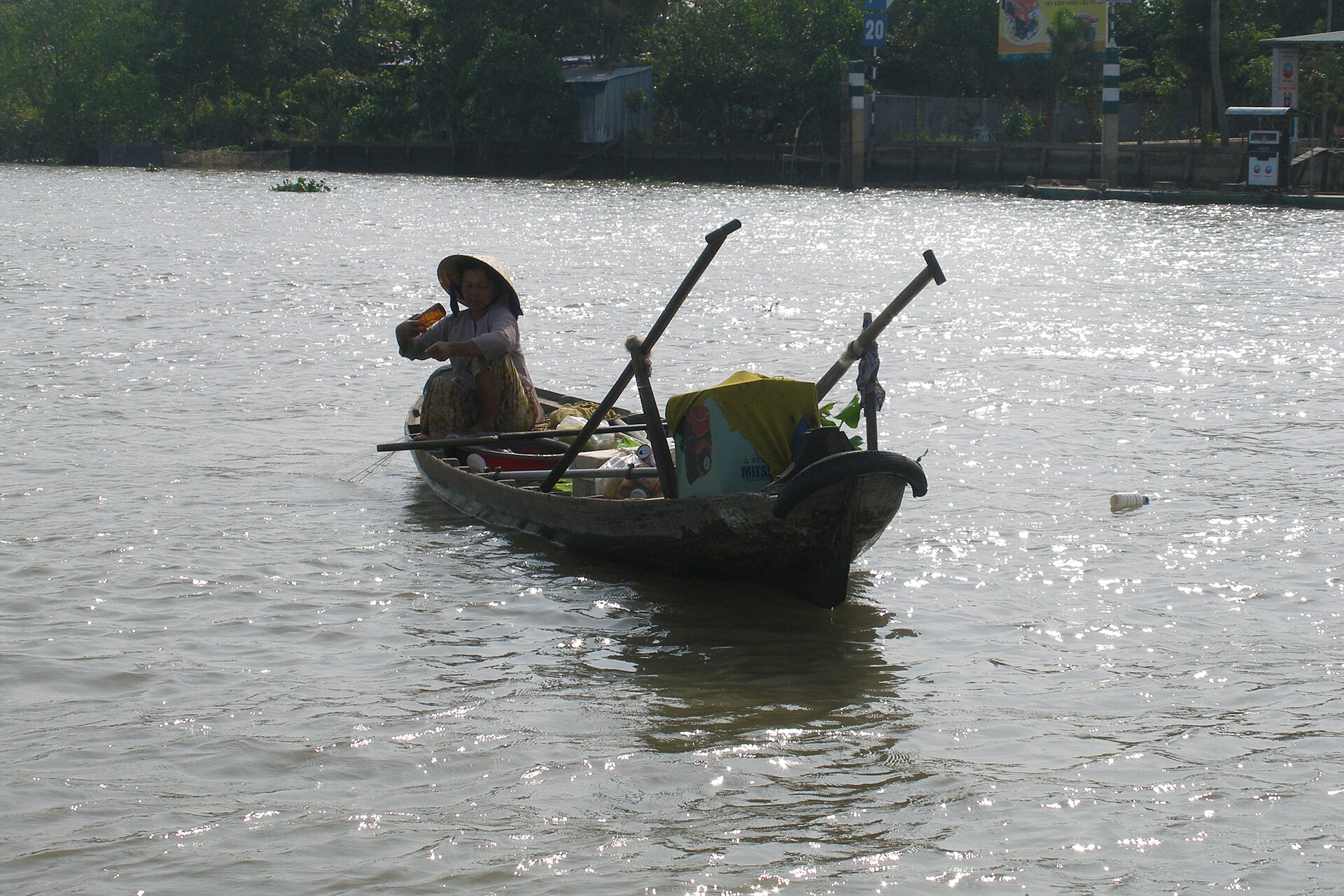
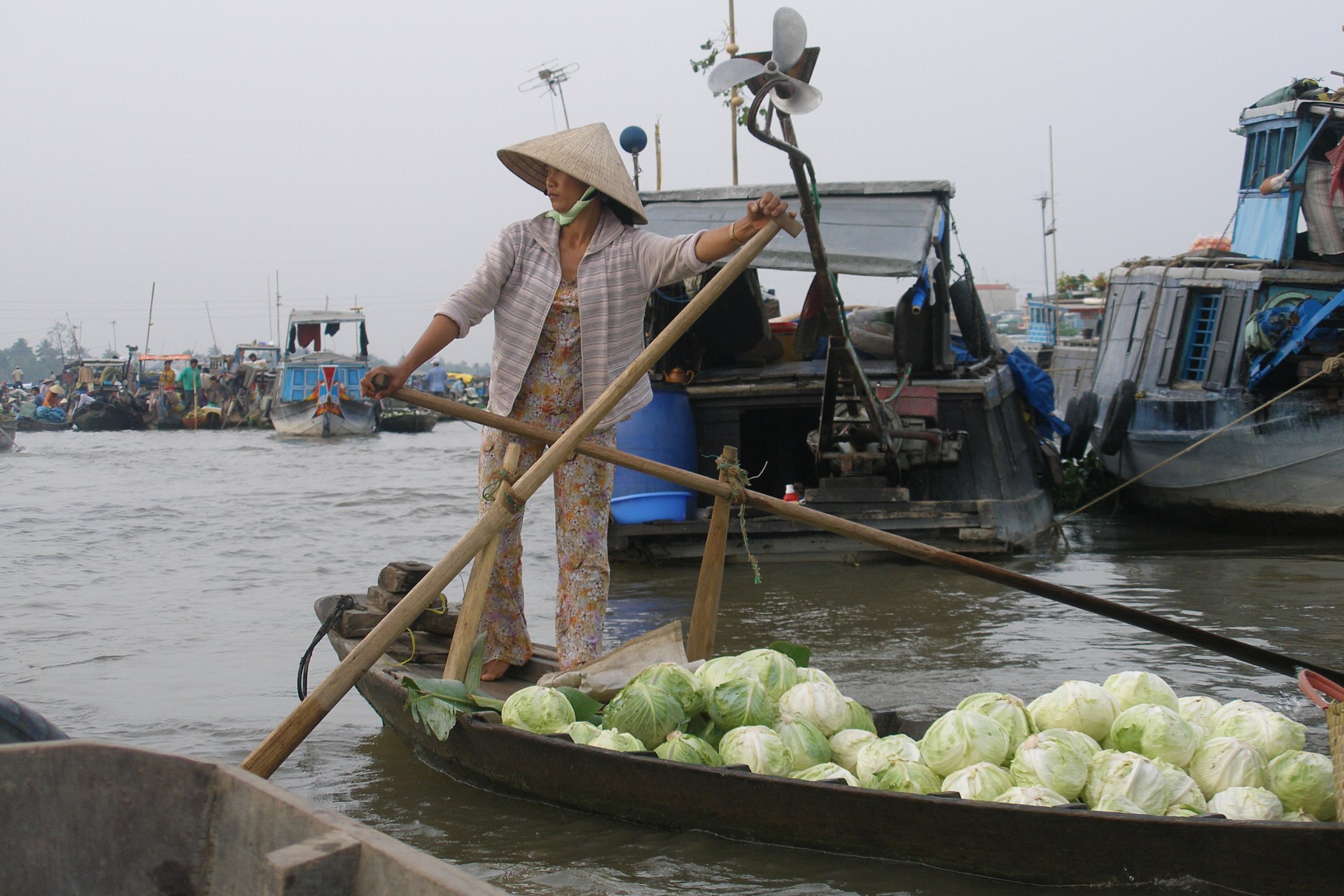
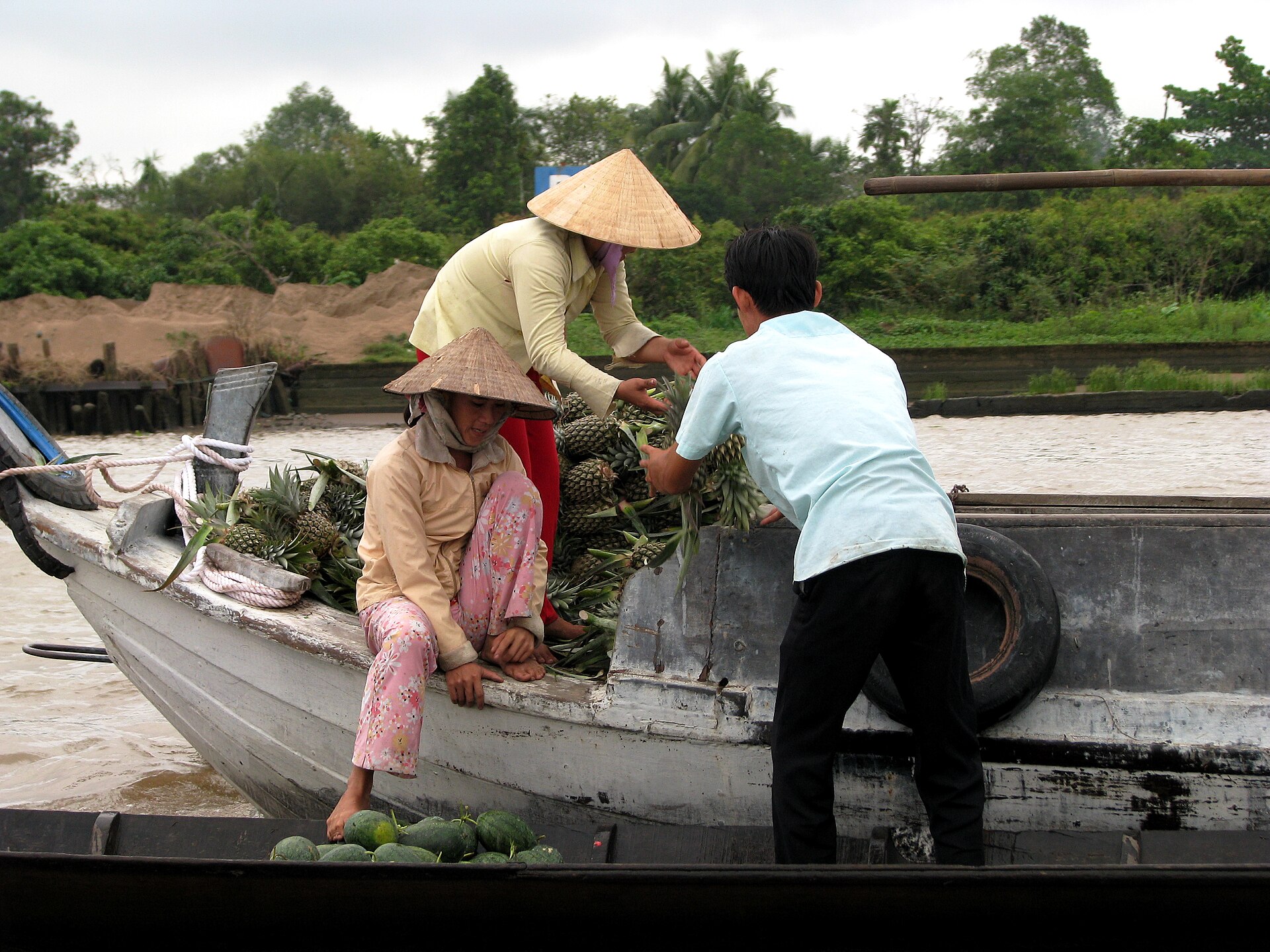
Most Mekong itineraries begin with the orchards. That skips the chord. The chord is Cai Rang Floating Market — the wholesale heart of the southern fruit basket, where every variety passes through someone’s hands by 6 AM. Named a national intangible cultural heritage in 2016, the market runs on the Can Tho River six kilometres southwest of the city centre. Boats gather around 4 AM. By 8 or 9, the trade winds down. For travelers researching can tho tropical fruit, this guide should be a starting point — verify before booking.
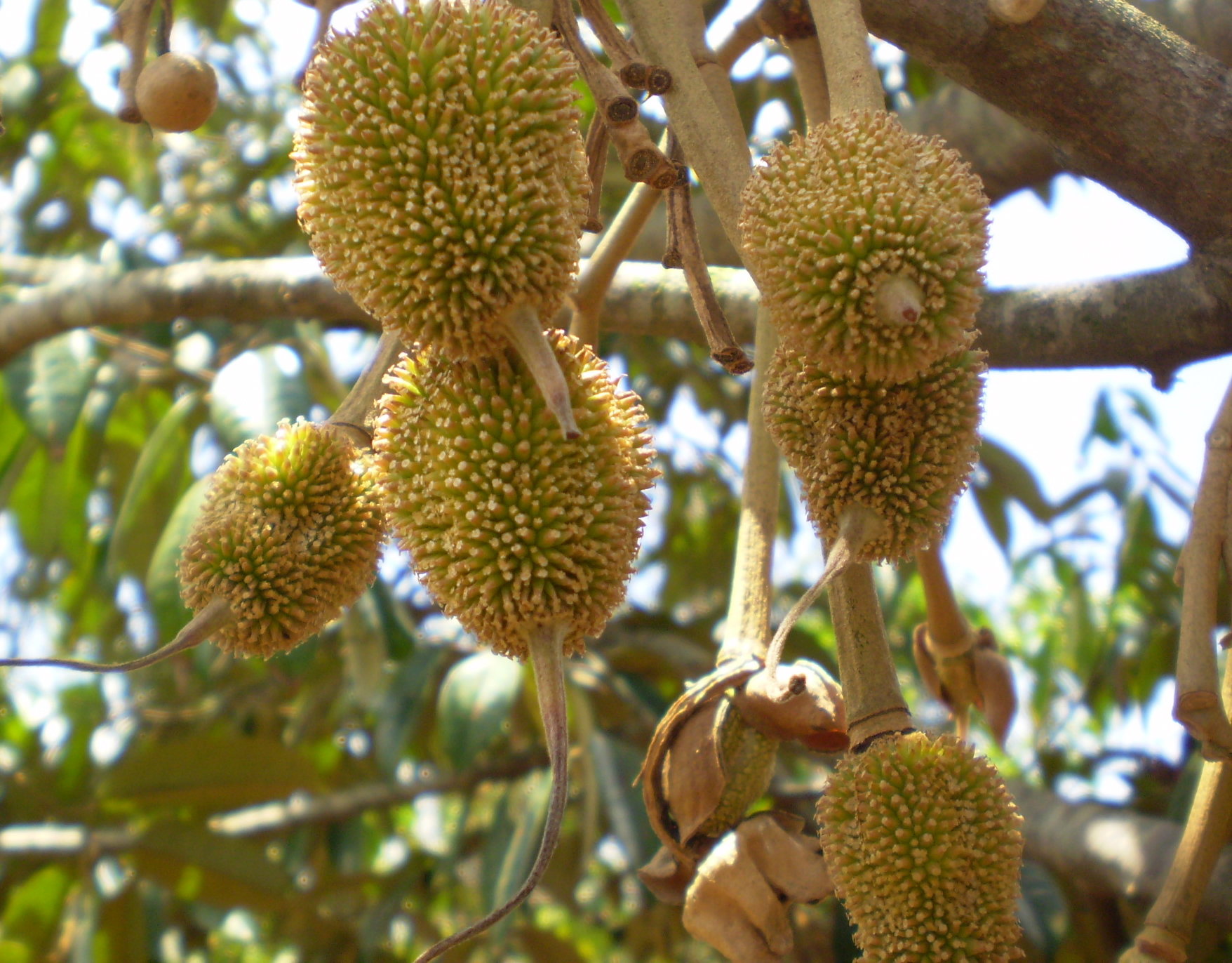
Timing matters. Tropical fruit is volatile. Durian peaks within hours. Mangosteen rind dries within a day. Rambutan hairs wilt in the sun. The market exists because the Mekong fruit terroir cannot wait — the smell you meet at dawn is already different by lunch. This is part of our broader can tho tropical fruit coverage on workshop.thescentnote.com.
The chord, broken down
Stand on a small boat at 5:45 AM. Close your eyes. The thick custard note is durian. The pineapple-mango-banana sweetness is jackfruit. The damp green is longan leaves. The faint sourness is mangosteen rind. The wood is the boat. The mineral is the river. By 6:15 they will all be in your hair. If can tho tropical fruit is on your list, the workshop pairs well with this stop.
8 Can Tho tropical fruit notes that build the Mekong scent palette
Eight fruits you will meet in Can Tho — what each one smells like in the air, and where in the delta it comes from. Many guests planning can tho tropical fruit mention this in their booking notes.
1. Durian — the unmistakable bass note
Durian is the king. The smell is creamy custard layered with roasted almond, with a faint savoury edge often described as “musky onion.” Ben Tre and Tien Giang grow most of Vietnam’s commercial durian. Peak season is May through August. You will smell it from a hundred metres off. We hear this often from travelers exploring can tho tropical fruit.
2. Jackfruit — the tropical chord at full volume
Jackfruit smells like all of Southeast Asia at once: pineapple, mango, banana, plus a sticky resin nothing else delivers. Open one in a closed room and the smell will live there two days. Mekong jackfruit is heaviest March through June. For first-timers researching can tho tropical fruit online, the practical details matter.
3. Rambutan — the spiky red top note
Rambutan smells lighter than it looks. The hairy red shell is bitter green when split, but the white flesh inside is grape-like — slightly floral, slightly tart, with a delicate top that fades within minutes of being shelled. Phong Dien grows most of the rambutan travelers see. Peak season: June and July. Of all the angles in can tho tropical fruit, this is one we hear about often.
4. Mango — the southern Vietnamese sun, in fruit
Vietnamese mango carries a specific Mekong fingerprint. Sweeter than Indian Alphonso. Drier than Thai Nam Dok Mai. With a green-leaf bitterness in the skin that survives ripening. The Hoa Loc cultivar from Cai Be in Tien Giang is the prized one — pale yellow flesh, almost no fibre. Peak season: April through June. Recent guests interested in can tho tropical fruit have asked about this exact spot.
5. Mangosteen — the queen, quietly
Mangosteen is called the queen of fruits, partly to balance durian’s king. The aroma mixes juicy lychee, ripe peach, and a subtle hint of creamy vanilla. The deep purple rind splits to give a sour-tannic top that vanishes at the snow-white flesh inside. Peak May through August, overlapping durian. Our notes on can tho tropical fruit keep coming back to scenes like this.
6. Longan — the honey-warm middle
Longan is rambutan’s quieter cousin. Smaller. No spikes. A papery brown shell that crackles when pressed, with translucent flesh that tastes like warm honey water. Phong Dien earns its nickname “fruit kingdom” partly on longan — orchards cover 6,000+ hectares. Peak: July and August. Anyone planning can tho tropical fruit will likely cross paths with this corner.
7. Dragonfruit — the cool magenta breath
Dragonfruit is the silent partner. The smell is mostly water — a clean melon-lily edge, almost neutral. But it is what your nose reaches for after twenty minutes in the durian quarter. Most Vietnamese dragonfruit grows in Binh Thuan. Peak: May through October.
8. Coconut — the Ben Tre soul note
Coconut is everywhere south of Can Tho. Ben Tre produces 600 million+ coconuts a year. The fragrance lives in three forms: green coconut water with a clean grassy top, mature meat with a warm milky middle, coconut candy boiling in copper pots in the Phu Le craft villages with a caramelised soul note that sticks to clothes. If durian is the king of Can Tho tropical fruit, Ben Tre coconut is the country it rules.
Mekong fruit terroir: why Can Tho tropical fruit smells like this
Terroir is a French word, but the principle is universal. The same fruit, grown in different soils, smells different. The alluvium the Mekong River deposits is some of the richest fruit-growing earth in Asia. Water table high. Dry season short. Heat steady. Trees fruit twice a year in some districts. The flesh holds more sugar. The skins hold more aromatic oil. That is why Can Tho tropical fruit at Cai Rang is not the same fruit you buy at a Saigon supermarket two days later — the supermarket version has lost its top notes.
Five Mekong delta fruit orchard farms within reach
Five fruit gardens within an hour of central Can Tho. Each charges roughly 30,000 to 100,000 VND entry plus fruit-by-weight in early 2026 — verify before you go.
My Khanh Tourist Village (Phong Dien) — 50,000 m² of orchard. Rambutan, durian, mangosteen, longan. Easiest by tour boat from Cai Rang.
Chin Hong orchard — 398 My Nhon hamlet, Phong Dien, ~15 km from Can Tho downtown. Burmese grape, mango, Thai rambutan, star apple. Family-run.
Vam Xang orchard — along a Phong Dien canal. Heavier on longan and rambutan. Fruit-tasting station included.
Cai Mon (Ben Tre) — across the river. Half-day add-on. Famous for durian and grafted varieties developed locally.
Vinh Kim (Tien Giang) — the star apple capital. December to March is the season.
How a NOTE workshop bottles Can Tho tropical fruit at our Saigon studio
Travelers reach our workshop carrying these scents in their luggage and hair. The Mekong is two and a half hours south of Saigon by car. Most foreign visitors stop in Can Tho on the way to Phu Quoc, or as a day trip from District 1. They arrive at our 42 Nguyễn Huệ studio with stories about the dock at dawn.
We hand them strips labelled in English and Vietnamese: bergamot, petitgrain, jasmine, frangipani, vetiver, amber, tonka, sandalwood. Thirty-plus IFRA-compliant notes line the bench. None of them are durian. (Fresh durian’s volatiles do not survive standard fragrance extraction.) But the building blocks of a tropical Mekong accord are all there.
For travelers from Can Tho, patterns repeat. The frangipani strip stops them. The tonka strip stops them again. Vetiver makes them quiet. Then they blend — tropical florals on top, gourmand creaminess in the middle, sandalwood at the base — and ninety to one hundred and twenty minutes later they leave with a 10ml to 50ml bottle (from around 550,000 VND / $24 USD for 10ml) that carries the whole delta in five drops. One traveler from Melbourne told us last June: I think I just bottled the morning at Cai Rang.
“I really love all the gorgeous smells. Zang helped me a lot how to make my very own scent”
— Pioneer07851527510, TripAdvisor ★5
“I loved my fragrance making experience. I have a beautiful souvenir to take home and every time I smell it, I will remember Saigon. Thanh was an excellent teacher”
— herbaljo, TripAdvisor ★5
“Ember and Maria did an amazing job explaining the perfume wheel and how all the scents go together. This perfume will always remind us of this trip in Vietnam”
— An L, TripAdvisor ★5
Why we keep tropical florals on the bench
Our instructors at the 42 Nguyễn Huệ studio in District 1 — Floor 3 (Vietnamese “Lầu 2,” 2 levels up from the ground floor) of the Cafe Apartment — have heard travelers talk about the Mekong for years. The answers point at frangipani, coconut, and warm fruit skin. Our. Only the city outside the window changes.
A tropical accord for Can Tho tropical fruit memory
A tropical accord is a family — fruit, flower, gourmand, wood — built in layers so the nose reads “tropical” without pointing at one ingredient. Four building blocks at our bench:
Top: bergamot or petitgrain for the citrus-leaf brightness orchards carry on a hot morning.
Heart: frangipani, ylang-ylang, or jasmine for the creamy floral middle. Frangipani reads as “Vietnamese garden” within seconds.
Soft drydown: tonka bean or vanilla for the gourmand layer that mimics jackfruit and mangosteen flesh.
Base: sandalwood or amber for the wood-and-river soul — where Ben Tre coconut sits in spirit.
Frequently Asked Questions about Can Tho tropical fruit
What is the best time of year to experience Can Tho tropical fruit at Cai Rang?
May through August is peak season for durian, mangosteen, longan, jackfruit, and rambutan — the heaviest scent profile of the year at Cai Rang. Heat is the trade-off: temperatures climb past 35°C by mid-morning. April delivers cooler air with mango and early jackfruit. November through January is the dry season; most tropical fruit is out of season, but star apple, citrus, and dragonfruit fill the boats.
When does Cai Rang Floating Market open in 2026?
As of early 2026, Cai Rang typically runs from around 4 AM to 9 AM daily, busiest 5 AM to 7 AM. Most boat tours leave central Can Tho between 5 and 5:30 AM to reach the market at peak. Boat rental ranges roughly 150,000 to 500,000 VND. Confirm with your homestay or tour operator before booking.
Can I take a fruit orchard tour near Can Tho?
Yes. Phong Dien district, ~15 km from Can Tho, holds five major fruit gardens including My Khanh Tourist Village, Chin Hong, and Vam Xang. Entry is typically 30,000 to 100,000 VND in early 2026 plus fruit-by-weight. Most boat tours from Cai Rang continue into Phong Dien canals after the market.
Why is Ben Tre coconut famous in the Mekong Delta?
Ben Tre produces 600 million+ coconuts a year, supplying most of southern Vietnam’s coconut economy. The fragrance lives in three forms: green coconut water with a clean grassy top, mature coconut meat with a warm milky middle, and coconut candy boiling in copper pots in the Phu Le craft villages with a caramelised soul note.
Can a workshop actually capture Can Tho tropical fruit in a bottle?
Not durian directly — fresh durian’s signature volatiles do not survive standard fragrance extraction. But the building blocks of a tropical Mekong accord are all on our bench: bergamot and petitgrain for the citrus-leaf top, frangipani and ylang-ylang for the creamy floral heart, tonka and vanilla for the gourmand middle, sandalwood and amber for the river-and-wood base. Most travelers from Can Tho build an accord that reads as “morning at Cai Rang” within ninety minutes.
Where can I make a perfume that captures my Mekong Delta trip?
NOTE – The Scent Lab runs 90 to 120-minute workshops in Saigon (42 Nguyễn Huệ District 1, and 34 Nguyễn Duy Hiệu in Thảo Điền) and Hanoi (. All three studios carry 30+ IFRA-compliant ingredients. Bottles range from 10ml (around 550,000 VND / $24 USD) to 50ml. Book at workshop.thescentnote.com/book/.
How long does the drive from Can Tho to Saigon take in 2026?
The drive typically takes two and a half to three hours along the CT01 expressway in early 2026. Most travelers leave the Mekong after a sunrise market visit and arrive in District 1 by early afternoon — within the booking window for an afternoon workshop slot before an evening flight from Tan Son Nhat.
Last day on the road: from the Mekong to your final hours
Travelers leaving the Mekong almost always fly out from Saigon. We wrote a last-day Saigon guide for exactly this scenario. Our piece on hidden gems in Can Tho and the Mekong Delta covers homestay sleep, sunrise boat timing, and the Phong Dien orchard loop. For the curious, our notes on Vietnamese botanicals, wellness, lotus and agarwood map the same scent geography from a different angle.
Find NOTE – The Scent Lab
- 📍 42 Nguyễn Huệ, District 1, Saigon — Floor 3 (Vietnamese “Lầu 2” — 2 levels up from the ground floor), Cafe Apartment building. Get directions → · TripAdvisor · Watch direction video on TikTok →
- 📍 34 Nguyễn Duy Hiệu, Thảo Điền, Saigon — quieter Thảo Điền studio. Get directions → · TripAdvisor · Watch direction video on YouTube →
Workshop: 120 minutes · 30+ IFRA-compliant notes · from · Book your workshop →
Looking for a take-home keepsake from Vietnam beyond the workshop? Browse NOTE’s handcrafted fragrance collection at thescentnote.biz · Follow @note.workshop on Instagram.
A delta in a bottle
The river will keep moving. The boats will keep gathering before sunrise. The orchards will keep dropping their fruit. None of it asks to be remembered. But the smell stays anyway — in your hair, in your shirt, in the small bottle you bring home from a bench in District 1.
Some places do not fit in a suitcase. They fit in a bottle.
This article is provided for general informational and reference purposes only. Information was accurate at the time of writing (May 2026) but may change without notice. Opening hours, prices, transit schedules, and availability for venues outside NOTE – The Scent Lab can change without notice — please verify with official websites, TripAdvisor, or Google Maps before your visit. We do not guarantee accuracy and are not responsible for outcomes based on outdated information.