
Phu Quoc pepper farm visits center on three working plantations — Khu Tượng, Suối Đá, and Hải Dương — where, in early 2026, travelers can walk shaded vine corridors, watch farmers handpick red, green, and black peppercorns, and taste the island’s signature spice straight off the stalk. NOTE – The Scent Lab is a perfume workshop in Saigon and Hanoi, Vietnam (★4.9 from 2,400+ Google reviews and 500+ TripAdvisor reviews), where guests transform travel-day smells — pepper, salt, sea — into a 90–120 minute custom fragrance.
The road north of Dương Đông smells like a kitchen drawer left open in the sun. Hot earth. Cracked black peppercorns underfoot. A faint salt drift from the western coast. Somewhere a wood stove is burning, and the air carries that warm, animal-sweet smoke of pork fat meeting black pepper in a clay pot. You haven’t reached the farm yet, and already your nose knows where you are. For travelers researching phu quoc pepper farm, this guide should be a starting point — verify before booking.
A note before you read: This guide is based on our team’s research and visits as of May 2026. Prices, hours, transit schedules, and venue availability change — please treat the specifics as a starting point, not a guarantee, and verify with official sources before booking. The only thing we can vouch for absolutely is the perfume workshop at NOTE.
Why a Phu Quoc pepper farm visit belongs on your 2026 itinerary
Most travelers come to Phú Quốc for the beach. Then they leave with a small jar in their hand luggage, still warm from the sun, and a smell on their fingers they cannot name. That smell is what a Phu Quoc pepper farm visit is really about — and what this guide is for.
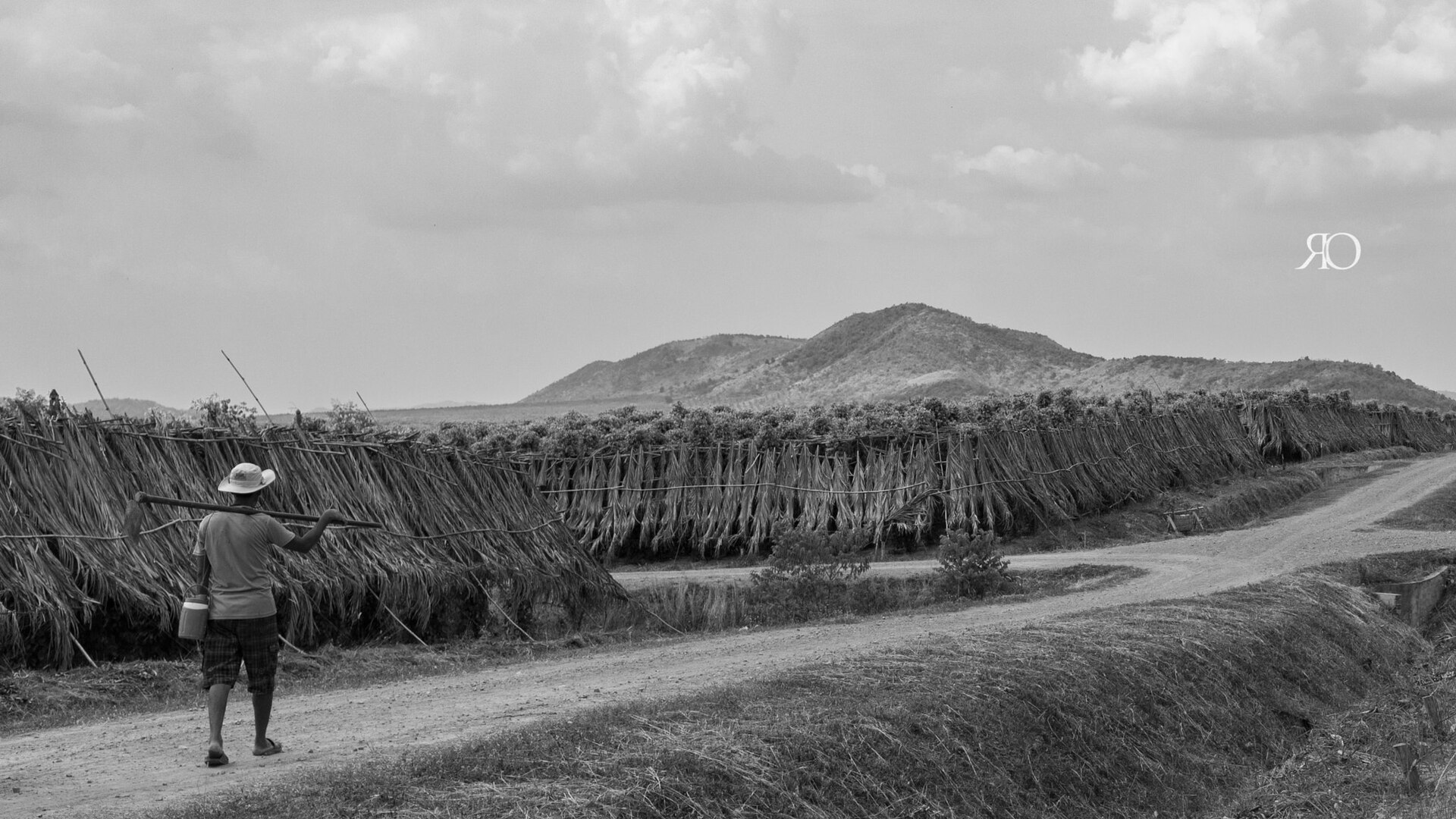
Pepper has been growing on this island since the late nineteenth century, when Hainanese farmers carried vines across the sea and planted them along the laterite ridges north of Dương Đông. For decades the technique stayed within Chinese families. Vietnamese smallholders learned the craft only around 1946. Today, more than 700 households tend pepper here, along a fifteen-kilometer corridor running from Dương Đông toward Gành Dầu. This is part of our broader phu quoc pepper farm coverage on workshop.thescentnote.com.
The island grows what many spice merchants call the most aromatic pepper in Vietnam. The reason is half geology, half weather. Laterite soil rich in quartz feeds the roots. A tropical monsoon climate — wet summers, dry winters, salt drifting in from three sides — concentrates the oils in each peppercorn. The harvest runs roughly November through February, and that is the window most worth planning around. But a Phu Quoc pepper farm walk in any month rewards you with shaded corridors, climbing vines twice your height, and a smell you will keep finding on your skin for hours.
What “red, green, and black” actually means
Walk into any Phu Quoc pepper farm shop and you will see four jars on the counter — green, black, white, red. Three colors come from one vine. The fourth is a process step. The difference is timing.
Green peppercorns are picked young, while the berry is still firm and bright on the cluster. They never see the sun. The flavor is fresh, almost herbal — a bite of just-cracked pine and lime peel, before any heat builds. Black pepper is the green berry sun-dried until the skin shrivels and turns charcoal. The heat develops late, on the back of the tongue. Red pepper, the rarest of the three, is harvested at the moment the berry turns scarlet and full — just before it would otherwise rot on the branch. The taste is fruit and fire at once, with a sweet finish that lingers like dried plum. If phu quoc pepper farm is on your list, the workshop pairs well with this stop.
White pepper, when offered, is the same red berry stripped of its outer skin after a soak in spring water. It is sharper, more focused, less round than the black. Most Phu Quoc pepper farm shops carry all four — black, white, red, and seasonal green. Smell each one before you taste. The nose tells you more than the tongue does.
Three Phu Quoc pepper farm stops worth your morning
You do not need to see all three Phu Quoc pepper farm sites. Pick one for depth or two for contrast. Each tells a different chapter of the island’s story.
1. Khu Tượng Pepper Garden — the working flagship
Khu Tượng sits in Cửa Dương Commune, a short ride north of Dương Đông town. Locals call this the pepper kingdom. It is the largest and most photographed Phu Quoc pepper farm on the island, and the one most travelers reach first.
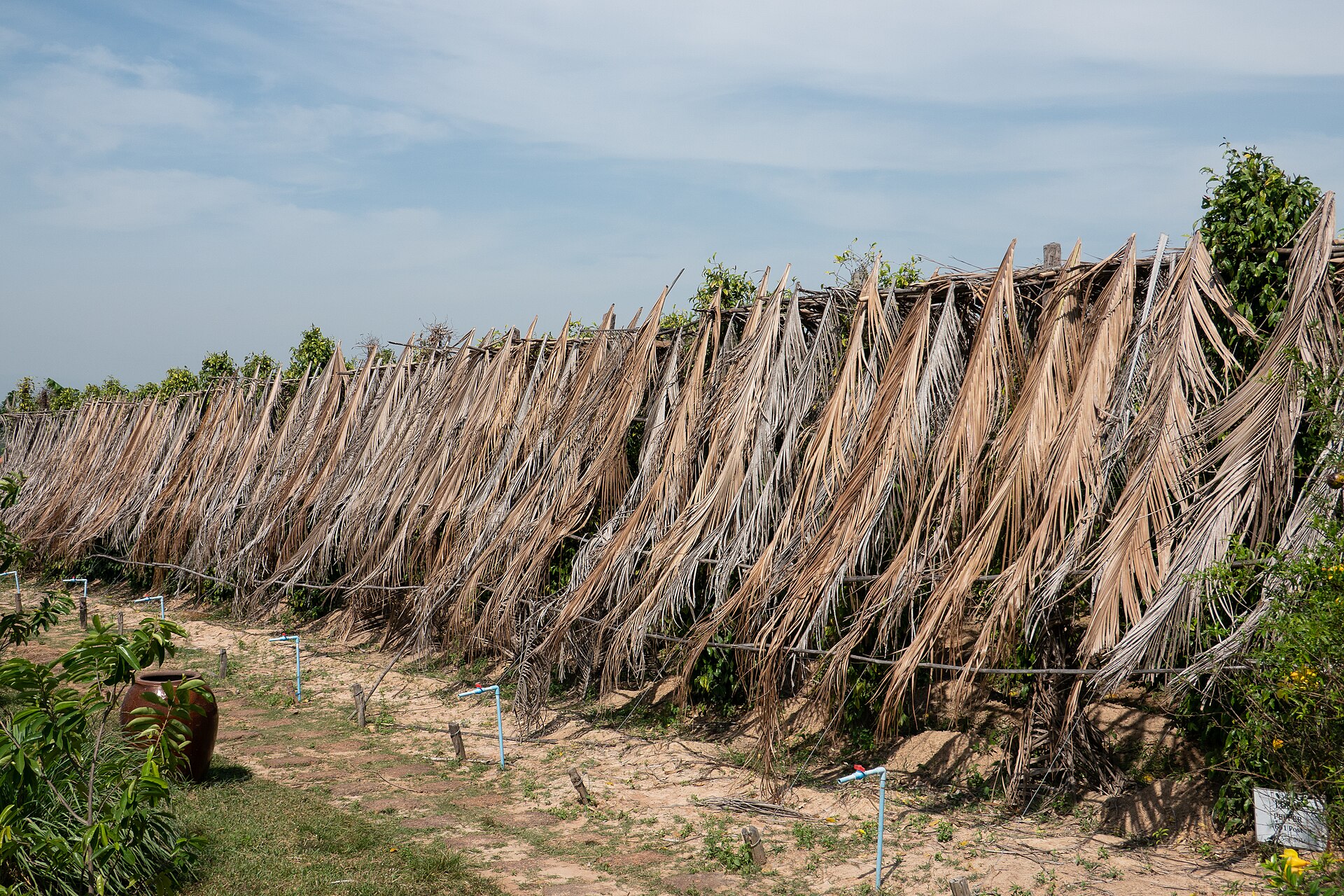
The vines climb teak posts in long, even rows. Israeli drip-irrigation lines run along the soil — modern technique laid over a craft that is almost a century old here. The farm is GlobalGAP-certified, which matters if you plan to bring jars home: the pepper sold at the gate is sun-dried by the same family that grew it, traceable to the row. Many guests planning phu quoc pepper farm mention this in their booking notes.
Entry, at the time of our visit, was complimentary. A small stall near the entrance sells fresh pepper, pepper-infused fish sauce, dried mango, and chili-pepper salt for dipping fruit — a Phú Quốc combination you will not find anywhere else in the country. If you arrive between November and February, ask whether you can join the pickers for ten minutes. Most farms typically welcome a quiet, respectful traveler near the rows. The pepper-cluster smell on your fingers afterward is worth the early start. We hear this often from travelers exploring phu quoc pepper farm.
How to get there: Around 7 km from Dương Đông center. Most travelers ride a rented motorbike (typically 120,000–200,000 VND/day in early 2026) or take a metered Mai Linh taxi for around 100,000–150,000 VND each way.
2. Suối Đá Pepper Garden — the quiet, mineral one
Suối Đá means “stone stream,” and the farm earns the name. The pepper here grows on a slow rise of red laterite scattered with pale quartz rocks — the same minerals that give Phu Quoc pepper its faint metallic warmth on the finish. The Phu Quoc pepper farm here is smaller, sleepier, and far less crowded than Khu Tượng.
If you have already done the busy version, this is where you slow down. Older farmers still hand-tend the vines. Drying mats are unrolled in the dirt courtyard between rows of climbing pepper. The owner’s daughter, on the morning we visited, was sieving black pepper through a bamboo tray to remove dust — a step that sounds small until you see how much patience it takes. The pepper here typically dries for at least ten days under open sun, then rests another week before sale. For first-timers researching phu quoc pepper farm online, the practical details matter.
You can usually buy small jars of red, black, and green peppercorn directly from the household. Cash only, in our experience. Bring small bills. Of all the angles in phu quoc pepper farm, this is one we hear about often.
3. Hải Dương (Vườn Tiêu Hải Dương) — the family workshop
The third Phu Quoc pepper farm on our shortlist is Hải Dương, a small Phu Quoc pepper farm run by a family that has tended these vines across more than one generation. The plantation is in An Thới direction, slightly off the usual northern loop. What you get here, beyond the walk, is conversation. The owner often greets visitors in the shaded tasting hut at the entrance.
Some operators on the island offer a more structured tropical-farm tour with welcome juice, pepper-fruit tasting, and a 20–30 minute guided walk for around 4 USD per person at the time of writing. A longer cooking-and-farm package — pepper tea tasting plus a four-dish lunch with a complementary drink — typically runs from around 55 USD per person (minimum two), depending on operator and season. Prices change; confirm directly before booking. Recent guests interested in phu quoc pepper farm have asked about this exact spot.
Bring a clean cotton handkerchief. By the end of the morning your fingers smell like warm wood and citrus rind and that strange green note that fresh pepper makes — and you will want to fold the cloth into your bag to keep the smell a few days longer. Our notes on phu quoc pepper farm keep coming back to scenes like this.
How a Phu Quoc pepper farm tasting actually unfolds
The Phu Quoc pepper farm tasting format is loose. That is part of the charm. There is no theater, no lecture hall, no name badges. You walk the vines first, then sit. Tea arrives. The pepper arrives in small bamboo bowls.
You smell before you taste. Lift a green peppercorn first — it is the brightest. Roll it between your fingers, then crush it gently and inhale. Most travelers pick up a top-note of pine resin, something almost herbal, like fresh basil stem. Black pepper next: the smell is darker, drier, with a hint of cocoa under the heat. Red pepper sits at the end of the line. The smell is unexpected — fruit, almost. Plum and dried rose and warm cedar. You taste, and the heat builds slowly, then opens out into a long sweet finish. Anyone planning phu quoc pepper farm will likely cross paths with this corner.
Most farms also serve fresh tropical fruit cut into wedges, with a small saucer of pepper-and-salt for dipping. Pineapple with red pepper salt. Mango with green peppercorn powder. The combinations sound strange on paper. They make sense the moment your tongue gets there.
“Wonderful 90-minute workshop where we experimented with different scents. We left with our own little perfumes — can’t wait to wear them!”
— Klook User (FR), Klook ★5
“Ember and Maria did an amazing job explaining the perfume wheel and how all the scents go together. This perfume will always remind us of this trip in Vietnam.”
— An L, TripAdvisor ★5
From Phu Quoc pepper to a perfume bottle: the spice palette at NOTE
Pepper is not only a kitchen ingredient. In perfumery, it is a top note — the sharp opening that pulls a fragrance forward in the first thirty seconds. Pink and black pepper accords are some of the most-used materials in modern niche perfumery, and the smell you carry home from a Phu Quoc pepper farm is the closest most travelers will ever get to the raw source.
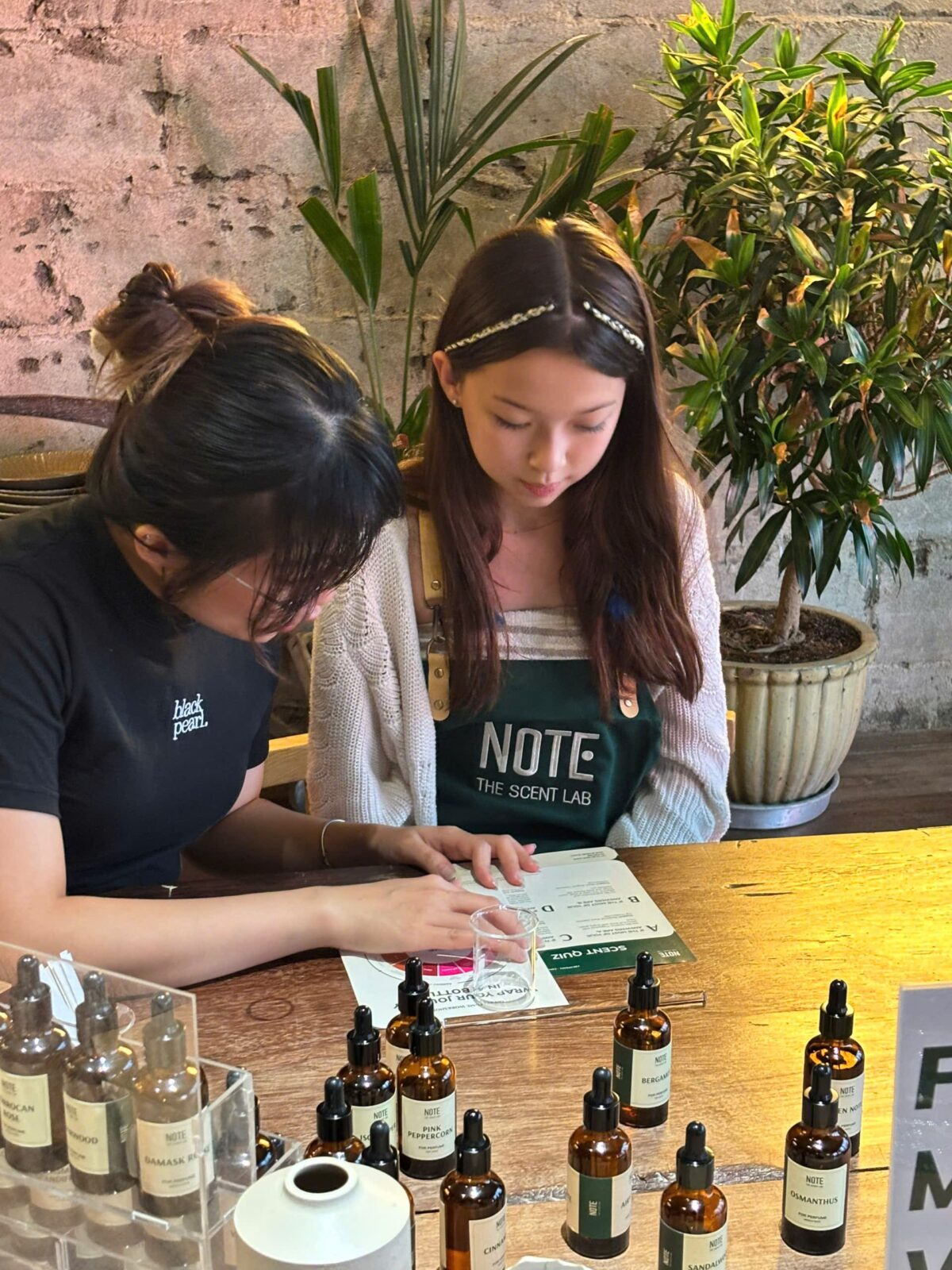
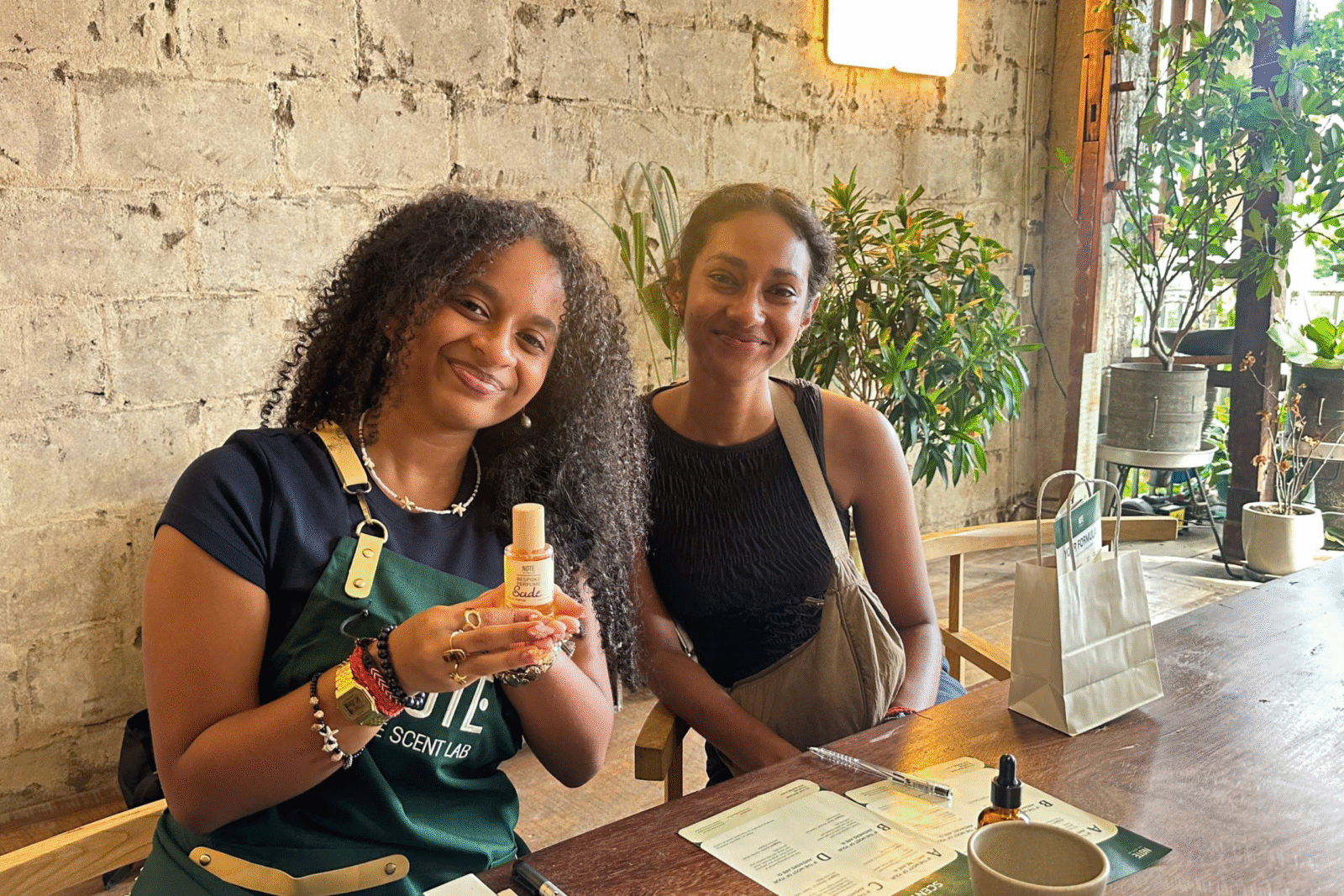
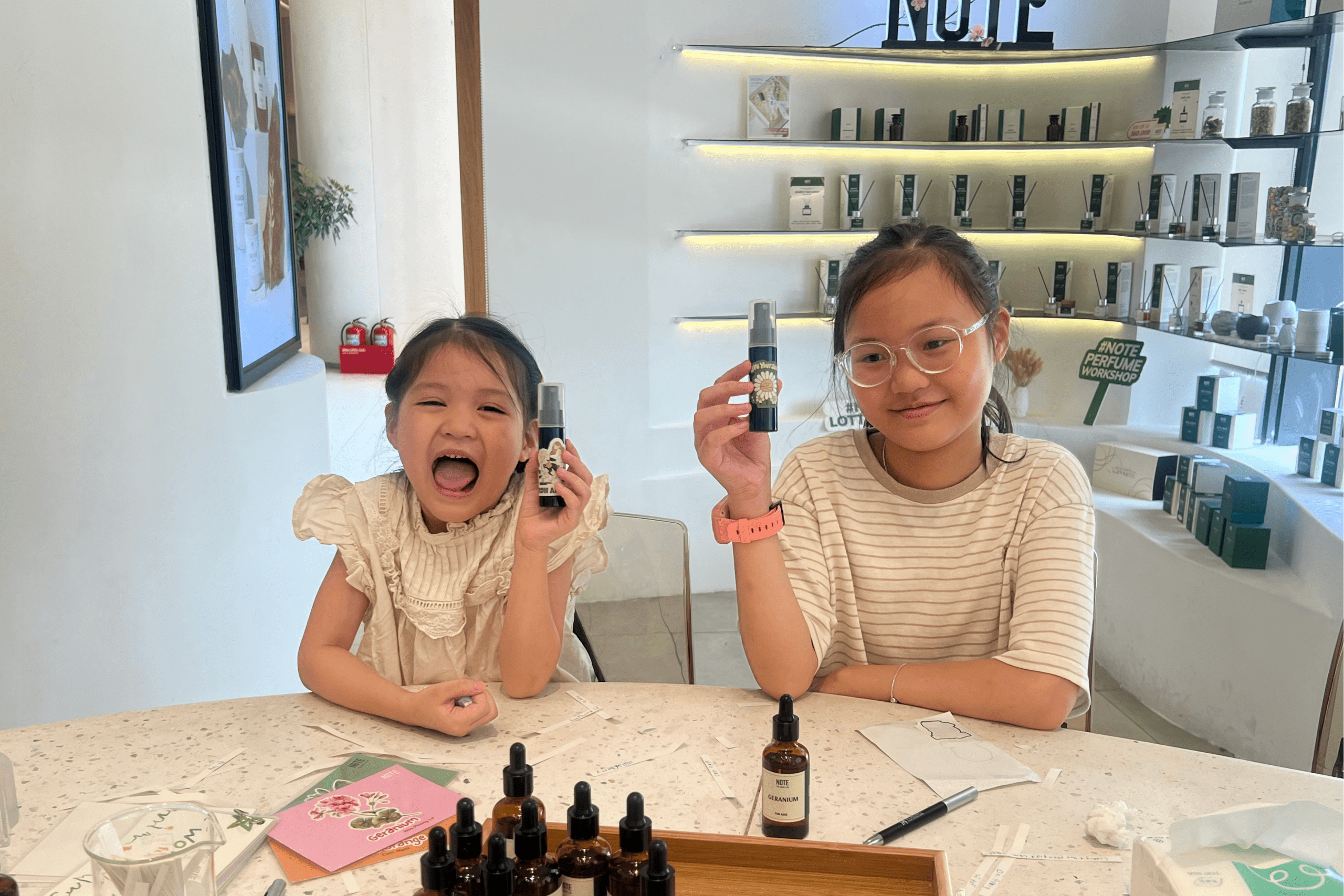
Travelers who book our perfume workshop after a Phu Quoc pepper farm morning often arrive with their fingers still faintly stained from a Khu Tượng visit. They want to bottle that smell. The good news is, the workshop carries pink-pepper, black-pepper, and adjacent spice notes — coriander, cardamom, gentle ginger — alongside more than 30 IFRA-compliant fragrance materials. You blend at your own bench, with an English-speaking instructor at your shoulder, for around 90 to 120 minutes.
What you take home is not a souvenir in the soft sense. It is a 10ml, 20ml, 30ml, or 50ml bottle of perfume in your own formula, packed inside a leak-protection zip pouch (a small thing that matters once you are back at the airport with cabin pressure waiting). You also get a take-home formula card so you can re-create the scent later. Workshop tiers start from around $24 (roughly 550,000 VND) for the 10ml bottle, in early 2026. See current workshop tiers and book ahead during peak season →
“I loved my fragrance making experience. I have a beautiful souvenir to take home and every time I smell it, I will remember Saigon. Thanh was an excellent teacher.”
— herbaljo, TripAdvisor ★5
Practical notes for your Phu Quoc pepper farm morning
When to go
Phu Quoc pepper farm harvest season runs roughly November to February (lunar calendar), which is also the dry season — perfect walking weather. Outside that window the vines still photograph beautifully, and the shop pepper is fresh from the previous harvest, cured under steady sun. The farms typically open from around 9:00 to 17:00, often closed one day mid-week (Khu Tượng historically closes Wednesdays). Confirm with the farm directly or with your hotel concierge before riding out.
What to wear
Light cotton, full-length trousers if you plan to walk between rows (pepper vines climb on slightly thorny posts, and the soil reflects the sun). A wide-brimmed hat. Closed-toe shoes. A small cloth tote — much of what you buy at the farms is in glass jars or paper sachets that benefit from a cushioned bag.
What to bring home (and how to fly with it)
Black, red, white, and green peppercorn jars travel well. Pepper-infused fish sauce is excellent but fragile — wrap twice. Anything liquid above 100ml goes in checked luggage on most international flights. Your perfume bottle from the NOTE workshop, by design, sits comfortably in a 10ml–50ml range and travels in a leak-protection pouch we provide.
Pairing the day with the rest of the island
A Phu Quoc pepper farm morning pairs naturally with two other Phú Quốc afternoons. If you want to round out the spice and salt story, our guide to Phu Quoc fish sauce as scent and tradition walks you through the wooden barrel houses where the same coastal climate that feeds the pepper also ripens the fish. For travelers who want to wander further off the resort grid, our companion piece on hidden gems in Phú Quốc beyond the resort strip has a small list of beaches, fishing villages, and forest trails worth a slower second day.
Carrying Phu Quoc home as a scent
The Phu Quoc pepper farm jars on your kitchen shelf will fade. They always do. The smell loosens, slips out, and one morning you open the lid and the warmth is gone. That is the nature of dried spice.
A bottle of perfume blended around the same idea — pepper, salt, warm wood, the dry-season smell of Phú Quốc earth at noon — keeps a different kind of memory. You spray a wrist, and it is February on the island again. The vines. The pickers. The fingers stained green-black from a morning of cluster picking. Some places don’t fit in a suitcase. They fit in a bottle.
Frequently Asked Questions
Is the Phu Quoc pepper farm tour suitable for families with children?
Yes, all three farms welcome families. The walks are short and shaded, and the pepper-and-fruit tasting is gentle enough for kids who like a small adventure. Younger children should hold a parent’s hand near the vine posts. Closed-toe shoes are recommended.
How much time should I budget for a pepper farm visit?
For a single farm with self-guided walk, plan around 45 minutes including the shop. For a guided tropical-farm tour with tasting, plan 60 to 90 minutes. The structured cooking-and-farm package, where offered, runs about 3 to 4 hours including a four-dish lunch.
Can I taste different colors of pepper at every farm?
Most farms serve at least black, white, and red peppercorn for tasting. Green peppercorn is seasonal and not always available outside the harvest window. Ask at the gate before you commit to one farm; the staff are direct about what is fresh and what is from last season.
What does Phu Quoc pepper smell like compared to ordinary supermarket pepper?
Most travelers describe the difference as warmth versus heat. Supermarket pepper is mostly bite. Phú Quốc pepper opens with citrus, cedar, and a faint pine resin top note before the heat arrives, and the finish carries a slight sweetness from the island’s mineral-rich soil. The aroma is closer to a perfumery raw material than to a kitchen condiment.
How does a NOTE perfume workshop relate to the pepper farm experience?
NOTE – The Scent Lab carries pink-pepper, black-pepper, and adjacent warm-spice notes among its 30+ IFRA-compliant materials. Travelers often arrive after a Phú Quốc trip wanting to bottle that warm-earth, salt-and-spice smell. In a 90 to 120 minute hands-on session, an instructor helps you blend a 10–50ml custom perfume that you take home with a formula card and a leak-protection pouch — an airline-friendly memory of the island.
Can I bring pepper jars and a custom perfume on the plane home?
Sealed Phu Quoc pepper farm jars travel well in either checked or carry-on luggage. Your custom NOTE perfume, by design, sits in the 10ml–50ml range and ships home inside a complimentary leak-protection zip pouch — which buffers it against cabin-pressure changes, a known issue with all atomizers on long flights. For larger purchases of pepper-infused fish sauce or oils, place liquid containers above 100ml in checked baggage on most international flights.
Looking for a meaningful keepsake beyond the workshop? Browse NOTE’s handcrafted fragrance and home-scent collection at thescentnote.biz — many of our ready-made perfumes carry the same warm-spice signature you would find in a Phú Quốc pepper farm tasting.
Flying out via Saigon?
Most Phú Quốc trips loop back through Tân Sơn Nhất before the international leg. Our what to do on your last day in Saigon guide covers a calm, indoor afternoon that fits between hotel checkout and an evening flight — including a perfume workshop slot at our Nguyễn Huệ studio just minutes from the river.
This article is provided for general informational and reference purposes only. Information was accurate at the time of writing (May 2026) but may change without notice. Opening hours, prices, transit schedules, and availability for venues outside NOTE – The Scent Lab can change without notice — please verify with official websites, TripAdvisor, or Google Maps before your visit. We do not guarantee accuracy and are not responsible for outcomes based on outdated information.
Find NOTE – The Scent Lab
- 42 Nguyễn Huệ (Cafe Apartment, Floor 3 — Vietnamese “Lầu 2,” 2 levels up from the ground floor), District 1, HCMC — Get directions → · TripAdvisor
- 34 Nguyễn Duy Hiệu (R Space, Thảo Điền), Thủ Đức, HCMC — Get directions → · TripAdvisor
How to find us:
- 📍 42 Nguyễn Huệ — Watch direction video on TikTok →
- 📍 34 Nguyễn Duy Hiệu — Watch direction video on YouTube →