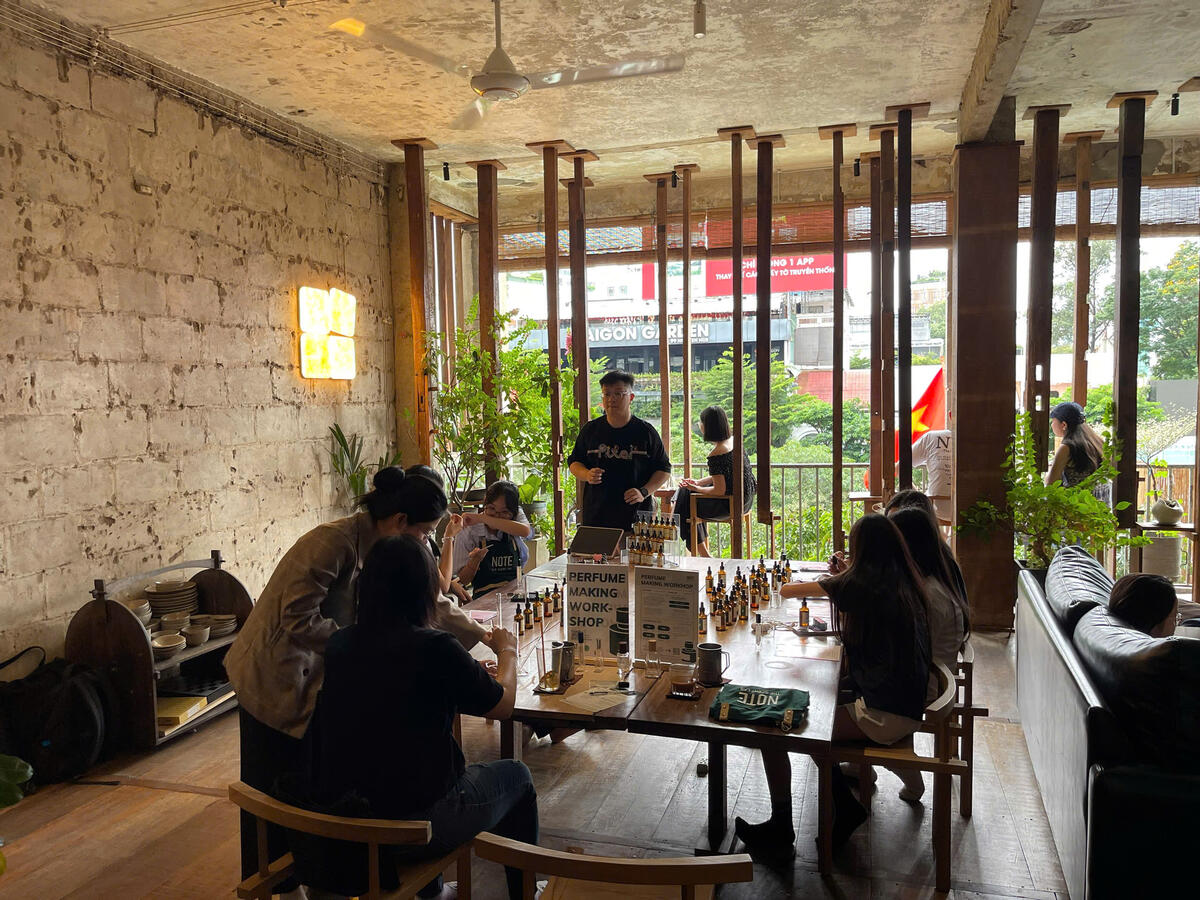
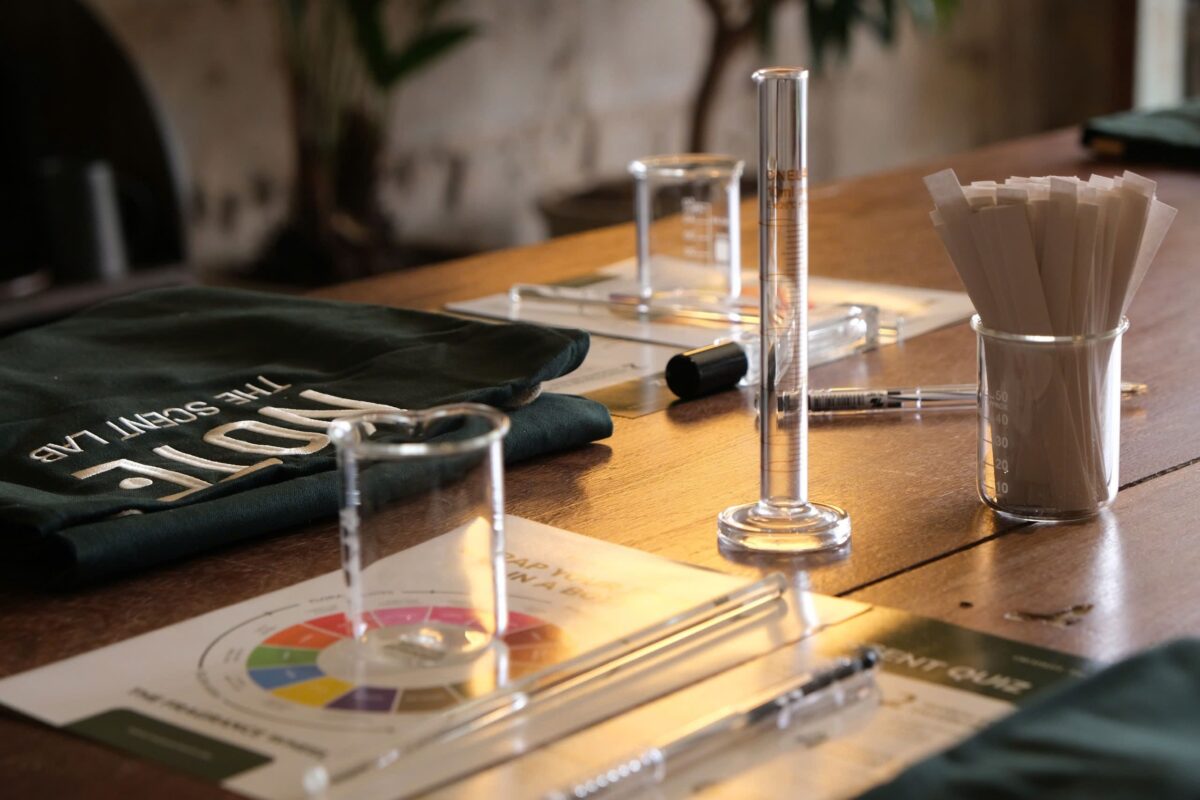
It is 3pm in Saigon and the city is exhaling. Below our studio window, lemongrass smoke rises off a grill, sugar-cane juice pours over ice, and the morning rain is still warming off the asphalt — finding its way to a small glass vial of jasmine on our wooden bench.
\\n\\n
Wellness travel Vietnam in 2026 is no longer only about spa retreats — it is about creative rituals that help travellers slow down and build something with their hands. NOTE – The Scent Lab, is a perfume workshop in Ho Chi Minh City (Saigon) and Hanoi, Vietnam, where travellers create a custom fragrance in 120 minutes from 30+ ingredients.
\\n\\n
Vietnam is a country people remember by smell as much as by sight. That is why wellness here is shifting, quietly, from passive treatments toward active making — from receiving to creating. This pillar guide walks through why Vietnam is emerging as a wellness destination, the traditional botanicals woven into the country’s sensory history, the full menu of wellness experiences available in 2026, and why creative wellness — the practice of slowing down by making something with your own hands — has become the signature travel ritual of the year.
\\n\\n
\\n\\n
Why Wellness Travel Vietnam Is Having a Moment
\\n\\n
The global wellness tourism economy passed $1 trillion USD in 2024, according to the Global Wellness Institute, and Southeast Asia is one of the fastest-growing regions within that market. Vietnam welcomed a record 21.2 million international visitors in 2025 — a 20.4% jump over the previous year — and Ho Chi Minh City alone hosted 8.5 million of them.
\\n\\n
What changed is the shape of what travelers want. Where spa packages and beach resorts once dominated, 2026 bookings show a clear tilt toward experiences that combine culture, craft, and calm. Wellness travel Vietnam is no longer one category — it is a braid of traditional medicine, mindful movement, forest bathing, and increasingly, creative practice.
\\n\\n
“A perfect experience if you’re looking for a relaxing and intentional activity in HCMC” — Jenna, online booking platform
\\n\\n
The shift from passive to active wellness
\\n\\n
Ten years ago, a wellness traveler in Vietnam meant a couple booking a three-night spa package in Nha Trang or Phu Quoc. Today it means a solo traveler blocking off a breezy afternoon in Saigon to make something with her own hands, and a couple in Hanoi learning how scent and memory are stitched together over a cup of lotus tea.
\\n\\n
American Express Travel’s 2026 Global Travel Trends Report found that 82% of travelers now prefer to come home with a skill or a story rather than a souvenir. That single data point has quietly rewritten the wellness menu in Vietnam — and pushed creative wellness to the top.
\\n\\n
Traditional Vietnamese Botanicals: A Sensory History of Wellness Travel Vietnam
\\n\\n
Saigon smells like grilled lemongrass at 6am, diesel at noon, sugar-cane juice at three, rain-on-hot-asphalt at four. Hanoi smells like lotus tea steaming at dawn, street-pho broth at seven, and wood smoke from a sidewalk altar any time after dusk. These are not tourism slogans — they are the actual olfactory maps of two cities, and every single one of these notes has been sitting on a Vietnamese kitchen shelf or temple altar for a thousand years. The country’s wellness vocabulary starts here, in the kitchen garden, the temple courtyard, and the rice paddy.
\\n\\n
Long before anyone called it wellness travel Vietnam, households were steaming lemongrass over a clay pot, burning agarwood on altars, and drinking jasmine tea as an evening ritual. Below is a gentle walk through the botanicals that shape the country’s scent memory, the cultural backdrop travellers carry with them to the bench.
\\n\\n
Lotus (hoa sen) — the flower of purity
\\n\\n
The lotus is Vietnam’s national flower and is traditionally associated with purity, resilience, and quiet strength. It appears in Buddhist temple imagery, in West Lake tea, and in the ceramic patterns of the Ly dynasty. In the pond its scent reads as green-floral with a faint powder softness, like a morning garden just after rain.
\\n\\n
Agarwood (trầm hương) — grounding and ceremony
\\n\\n
Agarwood, or trầm hương, has been burned in Vietnamese Buddhist and ancestor-veneration ceremonies for centuries. Historically associated with grounding and contemplation, it is one of the most prized aromatic materials in the world. At the bench that same warmth, depth, and soft creamy character come from base accords like sandalwood, benzoin, and amber, the quality that makes a fragrance feel immediately at home.
\\n\\n
Cinnamon (quế), star anise, and pomelo blossom
\\n\\n
Vietnamese cinnamon is warming and sweet, a staple in phở broth and in festival incense. Star anise, from the same culinary world, shares a licorice-floral brightness. Pomelo blossom — bưởi — is associated with spring and with the ritual hair wash traditionally enjoyed before Tết. These three materials bridge the kitchen and the perfume bottle, tying wellness to memory.
\\n\\n\\n
Ready to make your own Vietnamese-botanical fragrance as part of your wellness trip? Book your 120-minute perfume workshop at NOTE — book and pay online, no deposit, instant confirmation.
\\n\\n
\\n\\n
Jasmine, lemongrass, green tea, and sandalwood
\\n\\n
Jasmine is the north’s quiet queen, traditionally layered with green tea in Hanoi tea houses. Lemongrass crosses effortlessly between the kitchen pot and the shower steam. Green tea adds a clean vegetal lift. Sandalwood, traditionally used in Buddhist meditation practices, offers a soft creamy base that many travellers say feels instantly calming. None of these materials are pharmaceuticals — they are cultural companions with a long history of being present in mindful moments.
\\n\\n
A woman came in last rainy season — linen shirt, damp hair, tote bag full of Dalat strawberries she had just picked up at Ben Thanh. She sat down at the bench, lifted the jasmine blotter to her nose, and stopped moving. Three seconds, then ten, then a small quiet laugh. “My grandmother,” she said. “Her hair after she washed it with pomelo water.” She had flown in from Melbourne that morning. Her grandmother had been dead for nine years. The bottle she built that afternoon had pomelo at the top, jasmine in the heart, sandalwood underneath — and she walked out with a memory her nose remembered before her head did. That is the flashback bridge scent is quietly famous for, and it happens at our bench maybe twice a week.
\\n\\n
“Great experience, learnt a lot about scents. Sarah was friendly, patient and engaging” — Jean L, TripAdvisor
\\n\\n
The Full Menu of Wellness Experiences in Vietnam
\\n\\n
Wellness travel Vietnam in 2026 is not a single activity — it is a menu. Here is how the major categories look when you plan a trip.
\\n\\n
Spa and bodywork
\\n\\n
Vietnam has a strong traditional massage culture, from herbal steam rituals in Hue to beach-front resorts in Da Nang and Phu Quoc. Treatments commonly include lemongrass steam, coconut oil work, and herbal compresses. Spa culture here tends to be warm and hospitable rather than clinical — closer to a visit with an aunt than a medical appointment.
\\n\\n
Yoga, meditation, and retreat life
\\n\\n
Mui Ne, Hoi An, and the hills around Da Lat have become soft hubs for yoga and meditation retreats. Many visitors combine a retreat with a few days in a city, giving the trip a rhythm of stillness followed by stimulation. Hanoi’s Perfume Pagoda attracts travelers drawn to walking meditation, while Bai Dinh in Ninh Binh is one of the country’s largest Buddhist complexes.
\\n\\n
Forest bathing and slow nature
\\n\\n
Cat Tien National Park, Cat Ba Island, and the terraces around Sa Pa offer the nature-immersion side of the menu. The Japanese concept of shinrin-yoku — forest bathing — translates easily here, and travelers commonly report that walking slowly under a canopy of tropical trees is one of the most grounding hours of their trip.
\\n\\n
Creative wellness — the newest category
\\n\\n
Creative wellness is the umbrella for hands-on workshops that combine making, learning, and slowing down. In Vietnam it includes pottery in Bát Tràng, silk weaving in Hoi An, calligraphy in Hue, and — increasingly — perfume making in Saigon and Hanoi. This is the category NOTE lives in, and it is the one growing fastest in 2026. For a fuller picture, our mindful travel Vietnam guide walks through ten slow experiences across the country.
\\n\\n
\\n\\n
Creative Wellness: The 2026 Wellness Travel Vietnam Trend
\\n\\n
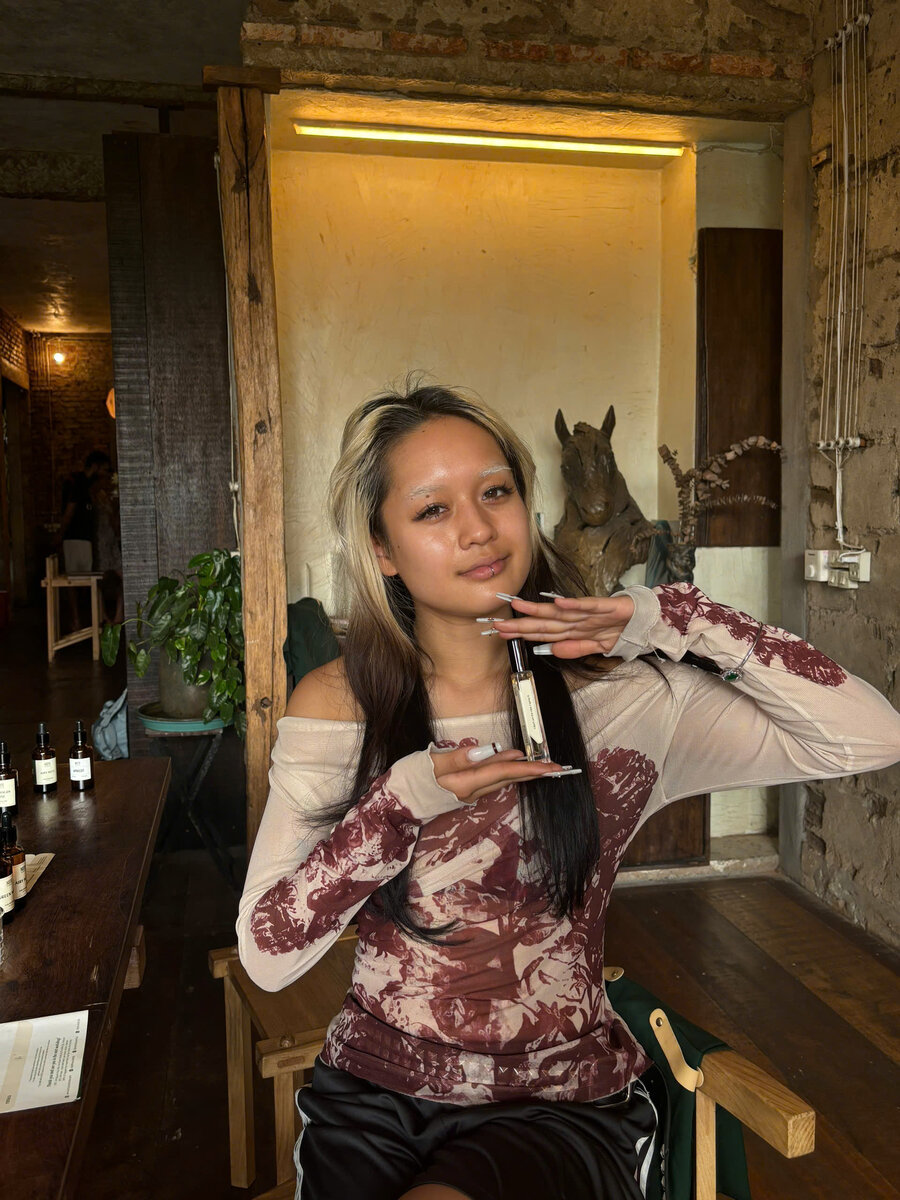
Creative wellness is not a replacement for spa or yoga — it is a complement. Where a massage works on the body and meditation works on the mind, creative wellness works on the hands. Travelers describe it as a flow-state experience: attention narrows, the room gets quiet, and for 120 minutes the to-do list disappears.
\\n\\n
Psychologists commonly describe this as “active engagement” — the opposite of scrolling. Research into flow states, led by Mihaly Csikszentmihalyi and his successors, suggests that when we are gently challenged by a meaningful task, our sense of time shifts and our recall of the experience becomes unusually vivid. That is why travelers who make something on a trip tend to remember the trip more clearly than travelers who only consume it.
\\n\\n
“The workshop was a great way to pause from the chaotic and overwhelming part of your holiday in Saigon” — Peter H, TripAdvisor
\\n\\n
Why making-not-buying fits the wellness mindset
\\n\\n
Traditional souvenirs are purchased; creative souvenirs are produced. When you leave Vietnam with a handmade ceramic bowl, a silk scarf, or a custom fragrance, you also leave with the memory of the hour you spent making it. That memory has a texture a price tag cannot buy.
\\n\\n
NOTE – The Scent Lab: Where Travellers Build a Vietnam They Can Smell
\\n\\n
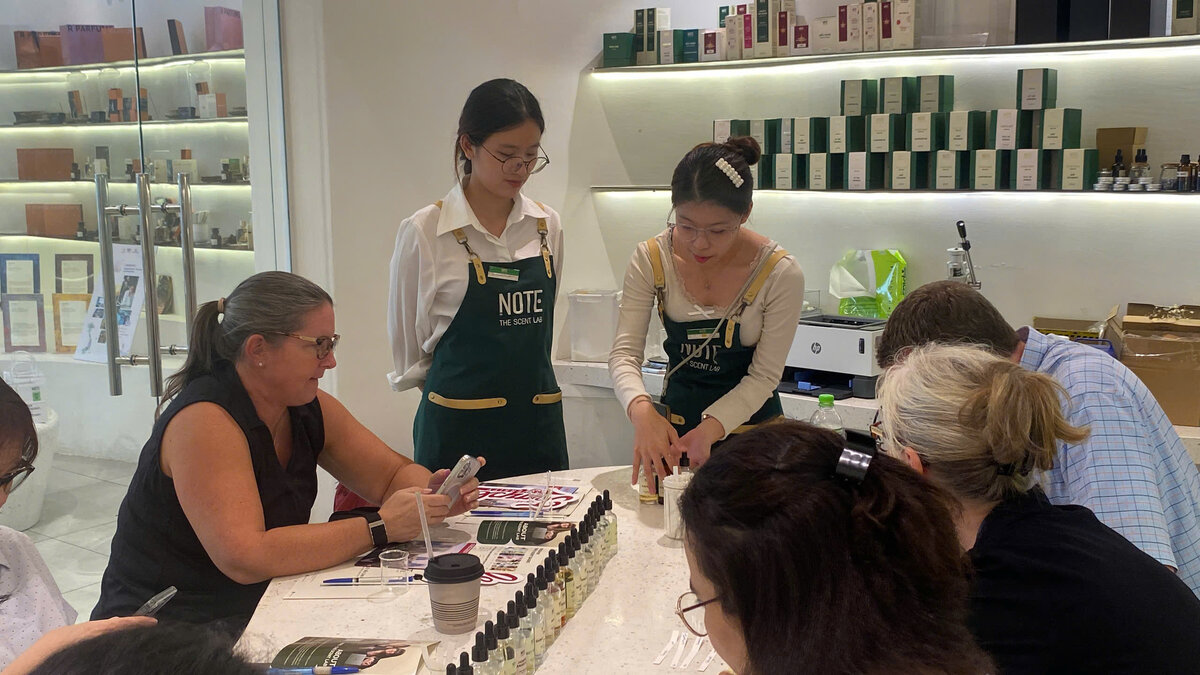
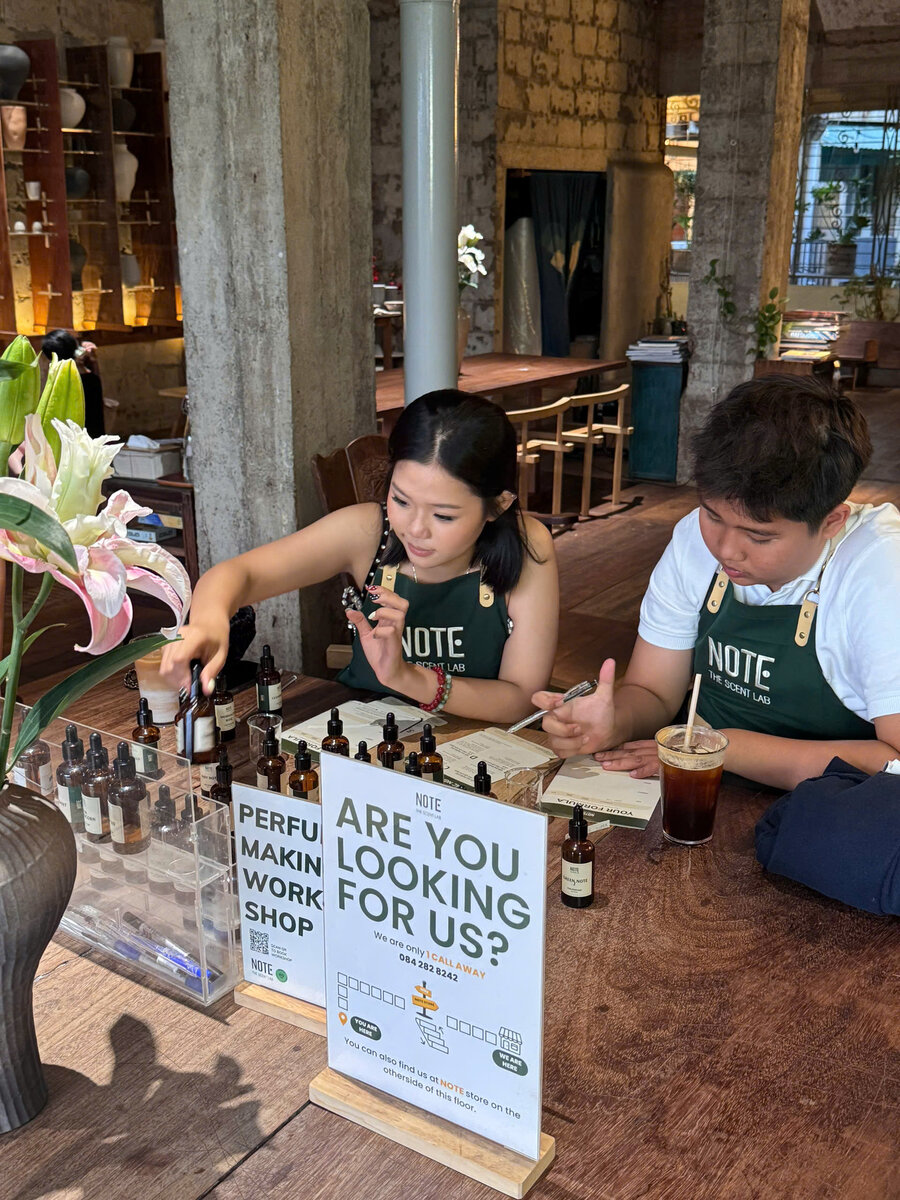
We founded NOTE in Saigon because we wanted a place where people could sit down, smell carefully, and craft a small bottle that holds a particular week of their life. We did not want a store. We wanted a bench. Today we run three studios — two in Saigon, one in Hanoi — plus the sister R Workshop Space in Thảo Điền, and on any given afternoon you can walk into one of them and watch the same quiet thing unfold: a traveller arrives nervous, picks up a pipette, hesitates over the empty 50ml bottle, and ninety minutes later walks out holding something that nobody else in the world will ever make again.
\\n\\n
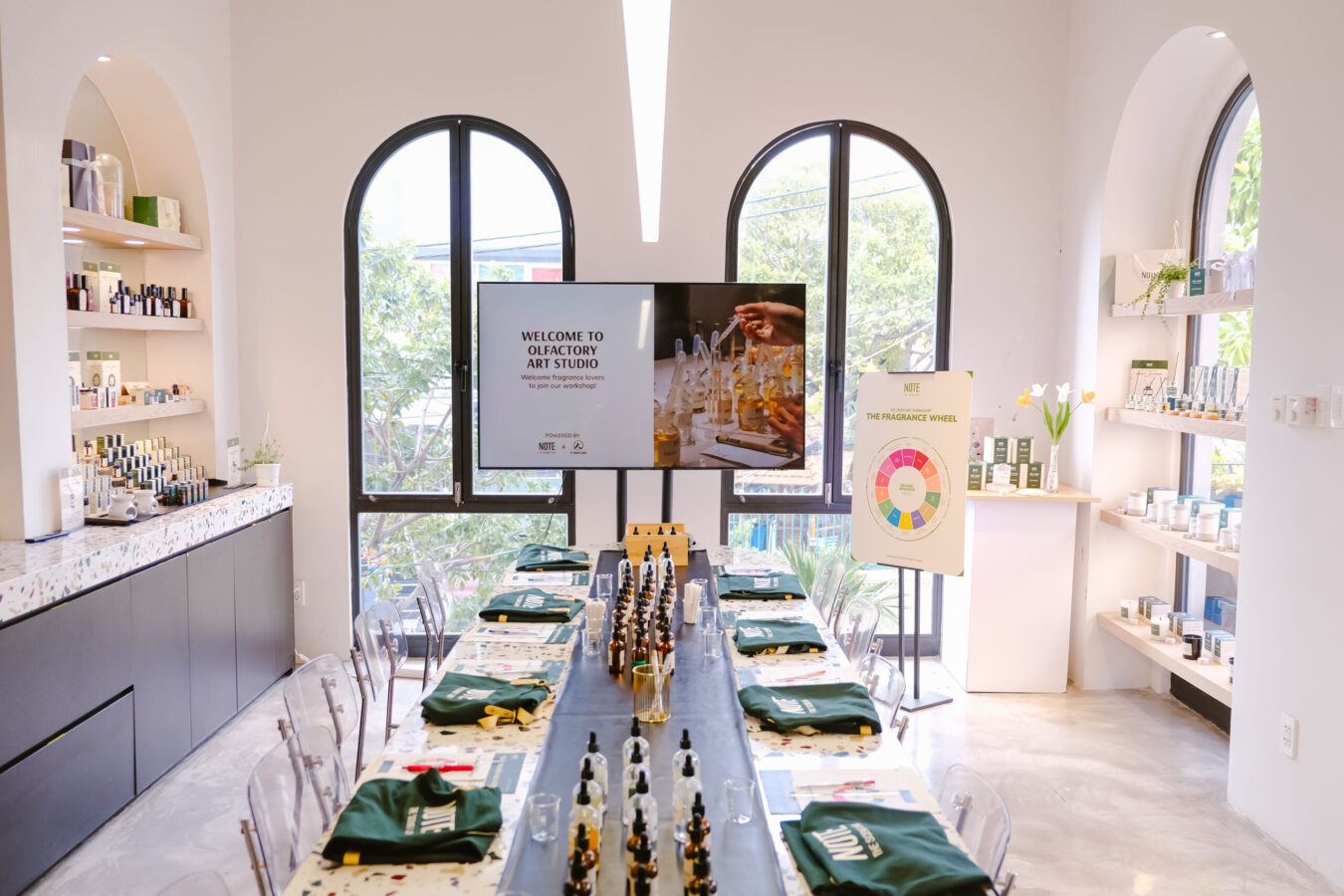
In our 120-minute Signature Workshop you blend from 30+ raw materials, including jasmine, cinnamon, osmanthus, rose, sandalwood and more, and design your own top, heart, and base notes with a workshop instructor sitting at your elbow. You build a 10ml Eau de Parfum that is entirely yours. Sessions run in English. You can come alone, as a couple, or as a group of friends; many travellers describe the hour as the calmest of the whole trip. NOTE saves your formula so you can reorder anytime once you are home. For deeper context on the materials used, see our guide to Vietnamese botanicals and wellness.
\\n\\n
Where to find NOTE
\\n\\n
In Ho Chi Minh City (Saigon): 42 Nguyễn Huệ Cafe Apartment, 2nd floor, District 1; and 34 Nguyễn Duy Hiệu, upper floor, Thảo Điền, Thủ Đức. In Hanoi:. Each studio is a calm contrast to the street outside, designed to feel more like a friend’s living room than a retail store.
\\n\\n
\\n\\n
\\n\\n
Planning a Wellness Trip to Vietnam — A Gentle Itinerary
\\n\\n
You do not need to choose between passive and active wellness on a single trip. The most memorable itineraries braid them together. Here is a sample five-day rhythm in and around Ho Chi Minh City that gives you both.
\\n\\n
Day 1 — Arrive and unwind. A lemongrass steam and foot massage in District 1, then an early dinner in Thảo Điền.
\\n\\n
Day 2 — Creative wellness at NOTE. A 120-minute perfume workshop at 42 Nguyễn Huệ Cafe Apartment. Ingredients include jasmine, cinnamon, osmanthus, rose, and sandalwood, the florals, warm spice and woods you compose by hand at the bench.
\\n\\n
Day 3 — Nature and stillness. Day trip to Cần Giờ mangrove forest or a slow boat on the Saigon River.
\\n\\n
Day 4 — Culture and tea. Walking tour through Cho Lon, then a Hanoi-style tea tasting in a quiet café.
\\n\\n
Day 5 — Last-day ritual. A final scent top-up or a second visit to NOTE to buy a larger bottle of the formula you created. Many travelers say this is the moment the whole trip clicks into place.
\\n\\n
“I learned so much about perfumery and more importantly had so much fun” — Peter H, TripAdvisor
\\n\\n
Frequently Asked Questions
\\n\\n
Is Vietnam a good destination for wellness travel in 2026?
\\n
Yes. Vietnam combines traditional massage and steam rituals, Buddhist meditation sites, forest bathing, and a growing creative wellness scene that includes perfume workshops and pottery. The country is especially well suited to travelers who want variety inside a single trip.
\\n\\n
What is creative wellness?
\\n
Creative wellness is the practice of slowing down through hands-on making — pottery, calligraphy, weaving, or perfume blending. It is commonly associated with flow states and traditionally regarded as a mindful activity. Creative wellness is not medical treatment; it is a way to be present.
\\n\\n
Are the ingredients at NOTE aromatherapy-grade?
\\n
NOTE uses fragrance-grade materials, 30+ essences spanning florals, warm spice and woods such as jasmine, cinnamon, rose, and sandalwood. The workshop is a creative experience, not an aromatherapy clinic — but the materials are the same kinds of aromatic ingredients traditionally used in wellness rituals worldwide.
\\n\\n
How long is the perfume workshop at NOTE?
\\n
The Signature Workshop is 120 minutes. That includes a guided smell test of the ingredients, formula building with an instructor, and bottling your finished fragrance. Groups of 6-20 can book the Private Group Workshop by email.
\\n\\n
How much does it cost?
\\n
Pricing starts at 550,000 VND (~$24 USD) for a 10ml custom perfume, with larger sizes at 1,000,000 VND (20ml), 1,350,000 VND (30ml), and 1,550,000 VND (50ml). All prices are before 8% VAT.
\\n\\n
Can I combine a NOTE workshop with a spa day?
\\n
Absolutely — many travelers pair a morning massage with an afternoon workshop. NOTE is roughly 120 minutes, so it fits comfortably around spa bookings, coffee stops, or lunch in District 1 or Thảo Điền.
\\n\\n
Is NOTE suitable for solo travelers?
\\n
Very much so. Many guests book alone, and instructors are used to guiding solo travelers through the full sensory process. The session is warm, unhurried, and built around your personal preferences.
\\n\\n
\\n\\n
Bottle Your Wellness Travel Vietnam Trip at NOTE
\\n\\n
There is a bench on the second floor of 42 Nguyễn Huệ where travellers have sat for ten years — each holding a pipette cautiously, building a small bottle that smells like a week they do not want to forget. That is what we do here. We do not sell perfume. We hold space for a moment the traveller did not know they were going to have — the one where jasmine opens under the nose and a grandmother walks back into the room.
\\n\\n
If you want to sit down with 30 ingredients in front of you and spend 120 minutes blending a scent that holds your Vietnam together — temple incense, hotel jasmine, pomelo from Ben Thanh, sandalwood from a Thảo Điền afternoon — book a session at NOTE — no deposit, instant confirmation. Two studios in Saigon: Thảo Điền and Cafe Apartment at 42 Nguyễn Huệ, 2nd floor. travellers on TripAdvisor have left their own formula behind. Yours is still on the bench, waiting.
\\n\\n
Or go deeper into why creative wellness outlasts spa memories, our Saigon aromatherapy workshop guide, our five-star reviews, or browse the full fragrance collection at The Scent Note.
\\n\\n
\\nInformation in this article is for general educational and cultural interest only. NOTE – The Scent Lab is a creative perfume workshop, not a medical or aromatherapy clinic; nothing here is intended to diagnose, treat, cure, or prevent any condition. Pricing, hours, and availability were accurate at the time of writing (April 2026) and may change — please double-check with official sources before your visit.\\n
\\n\\n
\\n\nn